



In an era dominated by screens, more parents are searching for ways to give their kids something they feel has quietly disappeared: freedom, confidence and far less time glued to devices.
A fast-growing, parent-led movement is taking hold in communities nationwide, reframing childhood around independence and real-world experiences rather than constant digital stimulation.
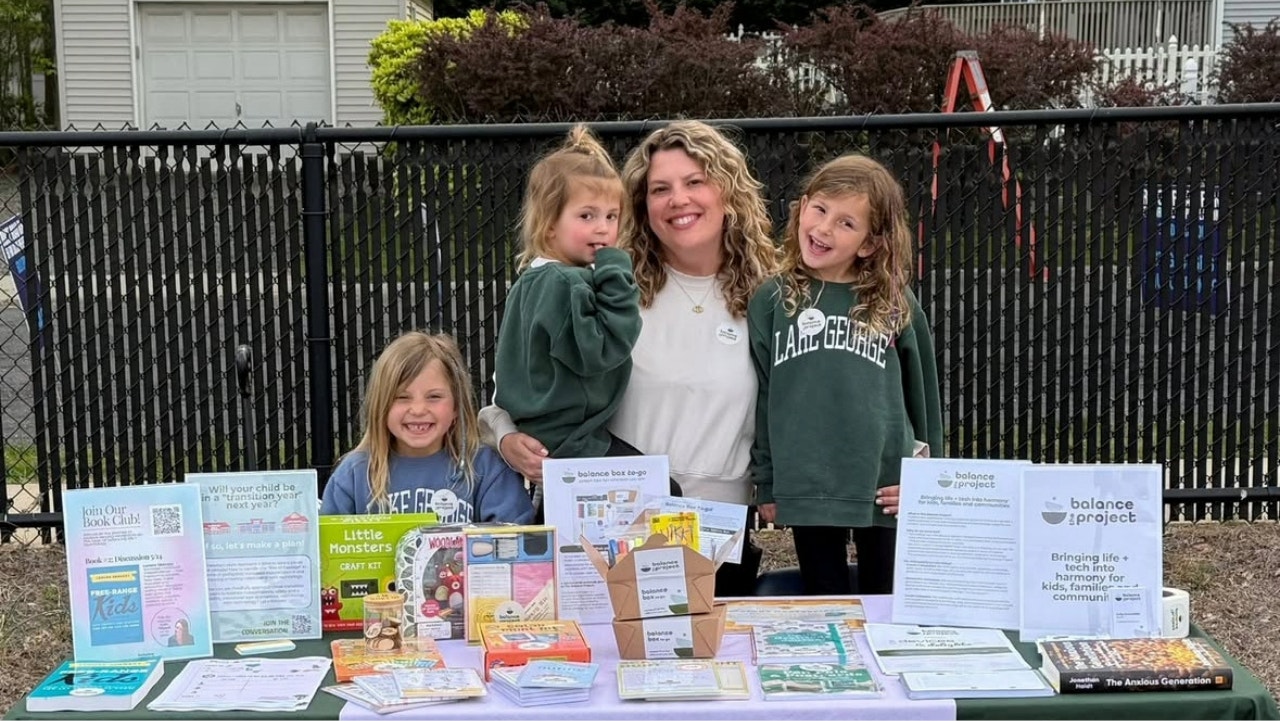
The Balance Project, a nonprofit, launched just a year ago in Little Silver, New Jersey, and has already expanded to more than 100 communities. Its message is straightforward: technology isn’t the enemy, but childhood shouldn’t revolve around it.
“I think our message of balance, and recognizing that technology plays a vital role in our kids’ lives, is a key part of why people are willing to come on board,” founder Holly Moscatiello told FOX Business.
META UNDER SCRUTINY OVER CHILD SAFETY AS INSTAGRAM ROLLS OUT ‘PG-13’ RULES FOR TEENS
Moscatiello created The Balance Project after noticing how quickly excessive screen time was reshaping her own children’s behavior and after reading Jonathan Haidt’s “The Anxious Generation.” The data backs up her worry: forty percent of toddlers now own their own tablet, and more than half of children under age 8 have personal devices, according to Common Sense Media.
Instead of pushing strict rules, The Balance Project focuses on replacing screen time with richer, offline experiences and promoting Haidt’s “four norms”: no smartphones before high school, no social media before 16, phone-free schools and more independence and responsibility in the real world. The goal is simple: shift the default from “device” to “independence.”
Chapters blend parent education with hands-on alternatives such as outdoor play collectives, phone-free sports sessions that teach breathwork and posture, neighborhood bike rides, book clubs, and old-school free play.
BIPARTISAN SENATORS CALL FOR INSTAGRAM TO SHUT DOWN ITS NEW MAP FEATURE, CITING CHILDREN’S SAFETY CONCERNS
That message resonated with Jason Wyatt and his wife, who began worrying when their daughter entered fifth grade – the age when most kids in their community get smartphones.
“We felt like we weren’t ready yet,” Wyatt told FOX Business. “When we talked to The Balance Project, we found out we weren’t alone… It gives you a playbook, some knowledge, some things you can do.”
His daughters have embraced the alternatives: riding bikes around town, bouncing between friends’ houses, and “exploring” in ways parents say have become rare. One spring event—a frog hunt—made the biggest impression.
“It gets kids outside in such an organic way,” Wyatt said, adding that the friendships and problem-solving formed in the mud “are real-world experiences they’re going to need in school and business someday.”
Interest is spreading. Friends from Wyatt’s college and law school circles have watched his family’s experience online and are considering launching chapters in their own towns.
One of The Balance Project’s most popular partners is Sticks and Sprouts, an outdoor play group where “kids get dirty on purpose.” Sessions emphasize unstructured nature play – climbing logs, digging trenches, splashing through “mud kitchens” and figuring out solutions without adults stepping in.

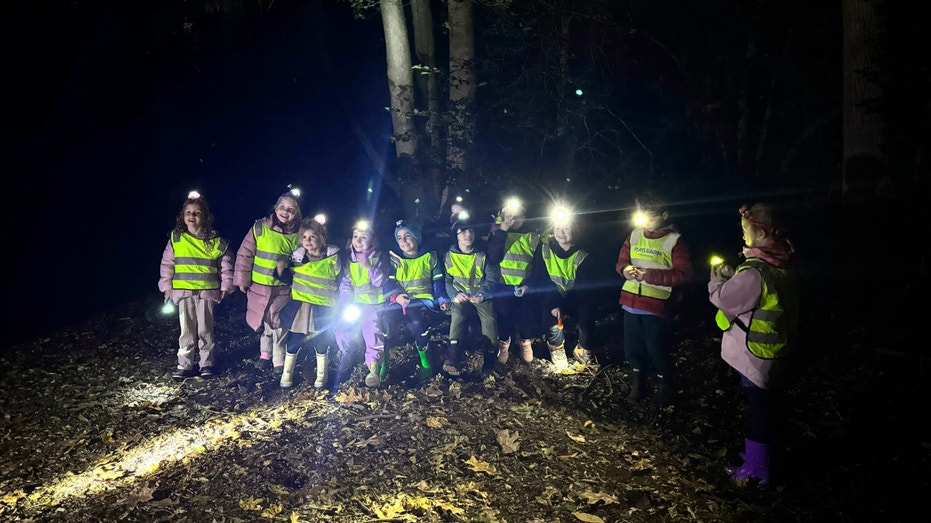
FOX Business visited one fall session where children mashed pumpkin pulp into “pumpkin pie,” stirred muddy “cranberry sauce,” collected sticks for a pretend campfire and built a full Thanksgiving “feast” straight from the dirt. The kids left caked in mud and completely uninterested in screens.
META ACCUSED OF BURYING EVIDENCE THAT THEIR PLATFORMS CAUSE HARM
Parents build community, too. They stand back as quiet “lifeguards,” watching their kids explore and connect with one another through book clubs and screen-free social outings – giving adults their own chance to unplug alongside their children.

For middle schoolers, the group partners with programs that bring students into the gym to work on breathing, posture and movement.
At one class in Little Silver, sixth grader Brook Missig told FOX Business she actually feels happier without her phone.
“I look forward to it every day,” Missing said. “When I do deadlifting, I have to keep my back straight. That’s something I’ve been working on a lot lately.”
Critics argue that unplugging simply isn’t realistic as technology becomes further embedded in everyday life. But parents in the movement say the goal isn’t to eliminate the digital world – it’s to teach kids how to thrive beyond it.
And schools are beginning to pay attention.
“Working day to day in our schools, we see how technology is impacting the environment,” Holmdel Township Superintendent Scott Cascone told FOX Business. “It’s a big part of the conversation happening in public education.”
Cascone said that The Balance Project’s efforts helped “strengthen our resolve to step up efforts that were already ongoing,” and solidified the district’s belief that “a synergistic effort with the parent community was essential” for effective policy. Holmdel schools already prohibit devices for K–8 students, while the high school is more flexible. Now, the district is actively reexamining where to draw the line.
As the movement spreads, many parents say they’re relieved to learn they aren’t an outlier – they’re part of a national shift. And for families across the country, the return to bikes, mud and face-to-face connection isn’t a step backward. It’s a reset they didn’t know they needed.
“It’s really just about getting back to basics and giving kids a chance to be kids,” Moscatiello said.