

Published on
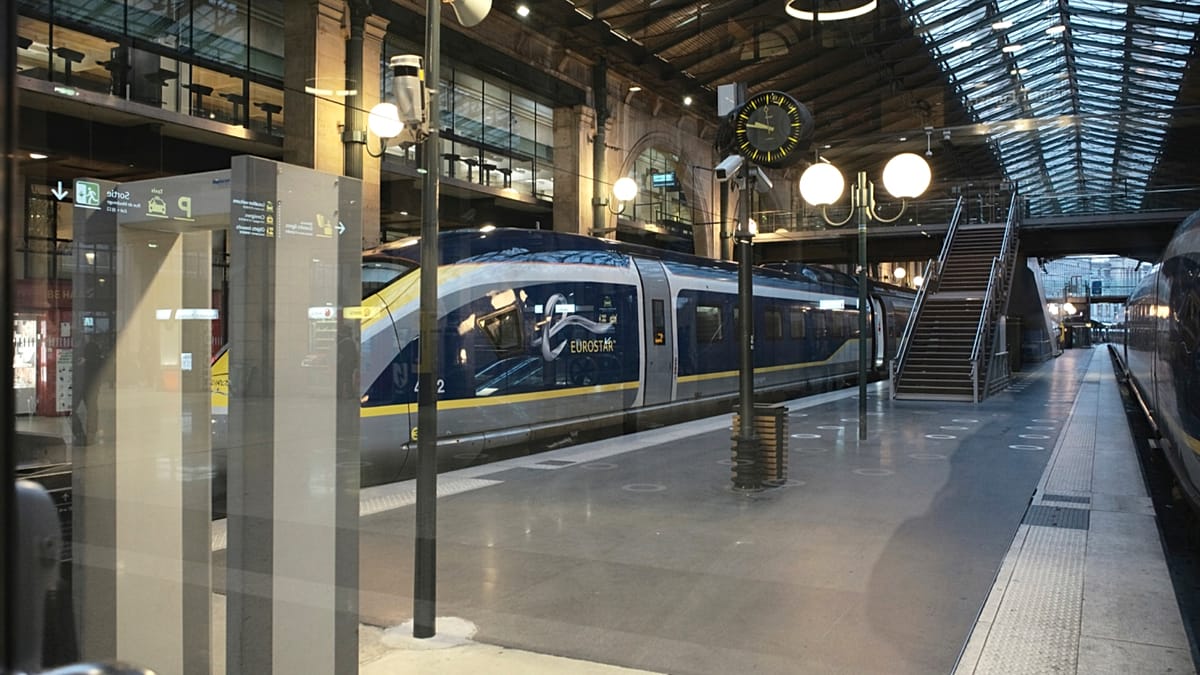
Eurostar’s ambitious plans to launch a series of direct rail connections between Germany and the UK are one step closer to becoming a reality.
Earlier this year, the high-speed rail operator announced it would expand its network to introduce new routes connecting London to key European destinations such as Frankfurt and Geneva.
Following increased demand for international rail travel, Eurostar said it will also invest around €2 billion in up to 50 new trains to accommodate the expansion.
In June, German Chancellor Friedrich Merz and UK Prime Minister Sir Keir Starmer signed a ‘first of its kind’ treatyto help break down legal and logistical barriers that currently prevent a direct rail route between the two countries.
Eurostar takes ‘step closer’ to linking Germany and UK
It has now been announced that Deutsche Bahn (DB), Germany’s national railway company, has joined forces with Eurostar to help remove “complex framework conditions” that risk stalling progress.
In a Memorandum of Understanding signed in the first few days of December, both companies announced their intention to explore options to jointly offer long-distance services between London and Frankfurt.
Eurostar says it will contribute its expertise in cross-Channel rail travel, while DB will bring its “network and presence across Germany”. Together, the companies will explore potential timetables and terminal facilities permitting international border and security controls.
For the first time, a direct train from London to Cologne has also been mentioned.
How will direct trains from Germany to the UK impact travellers?
The launch, which would use Eurostar’s new double-decker Celestia fleet, is slated to debut in the early 2030s – providing that the “necessary technical, operational and legal conditions are met”.
Currently, a rail journey between London and Frankfurt takes on average eight to nine hours with at least one change. However, a direct link could slash the journey time down to just five hours.
Patrick Schieder, Federal Minister of Transport for Germany, says the partnership sends a “strong signal” for the future of European transport.
“In a task force set up specifically for this project, we’re already working intensively on the legal, infrastructure and political requirements for this new rail connection,” he adds. “I’m certain that this project will be a great benefit for all train passengers throughout Europe.”
Starmer also welcomed the announcement, arguing it will put Britain at the “heart of a better-connected Europe” that paves the way for increased trade, tourism and investment.
Will direct trains connect London to Berlin?
While Cologne and Frankfurt will be the first German cities to receive direct links with London, a route connecting both countries’ capitals has also been discussed.
Travelling fromLondon to Berlin can take up to 11 hours with two to three transfers en route. However, due to iconic tourist attractions such as the Brandenburg Gate and the Berlin Wall, demand for a direct route is strong.
Following Germany and the UK’s treaty, UK Transport Secretary Heidi Alexander says whizzing Brits over to Berlin could also become a reality in “just a matter of years”.