

Published on •Updated
An image of a newspaper front page is circulating widely online, claiming that Spain’s Prime Minister Pedro Sánchez will give the country’s newly regularised migrants €2,800 per month per family for two years until they find a job.
ADVERTISEMENT

ADVERTISEMENT
The article supposedly belongs to a news outlet called “El Diario de España”, and refers to Madrid’s recent measure to grant an estimated 500,000 undocumented migrants legal status by allowing them to apply for a renewable one-year residence permit.
This is provided that they can prove that they have lived in Spain for at least five months.
However, the front page and its claims are false. Simply put, the news outlet, El Diario de España, doesn’t even exist, with no trace of it having a website.
The supposed date of publication of the article is 24 May 2024, but that doesn’t correspond with the real timeline: the Spanish government only announced its regularisation plan in January 2026, and it came into force in April.
The fake article features a picture of Sánchez standing behind a lectern, which says “Inclusion and Social Cohesion Plan 2024-2026”, but an online search yields no evidence of this initiative existing either.
The text of the Royal Decree establishing the regularisation programme does not refer to migrants receiving €2,800 per month.
Madrid has denied that it will be handing out such a sum, reiterating that those benefiting from the measure will be able to reside and work in Spain legally.
They must have a clean criminal record and have until 30 June to apply for a renewable working visa.
The regularisation plan has been the subject of much controversy and misinformation ever since it was first announced.
The Cube has already debunked instances of French politicians claiming that migrants regularised in Spain will be able to settle in France, alongside others falsely alleging that they’ll be automatically granted the right to vote.
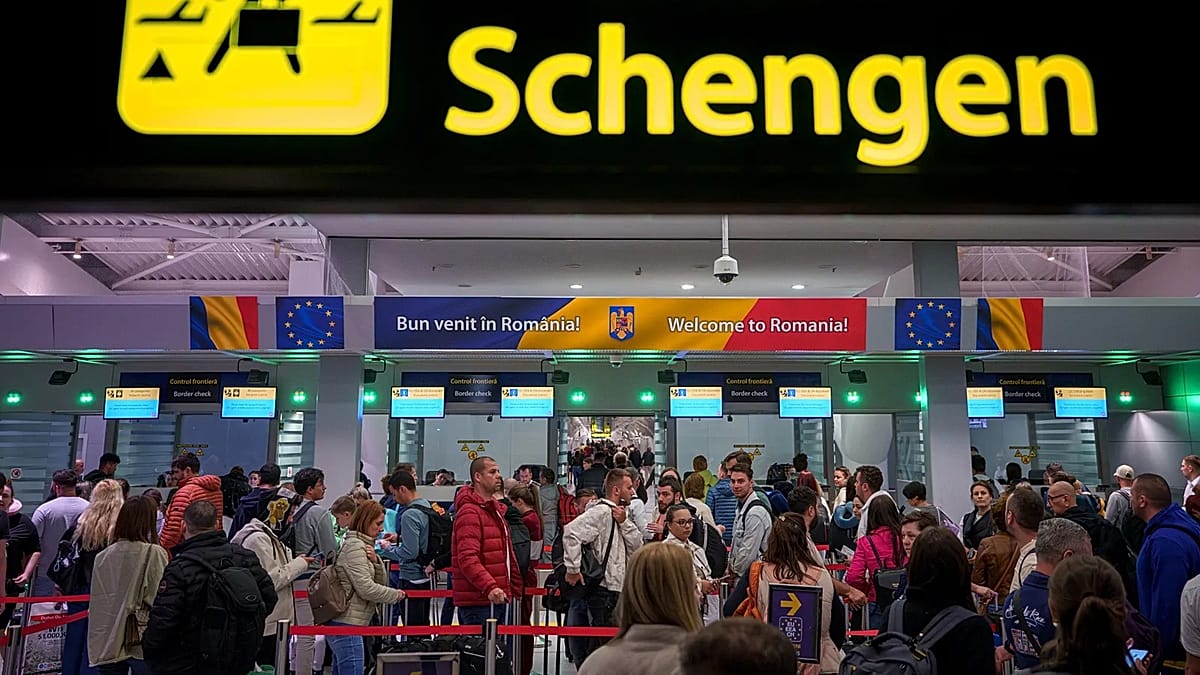
Officials at the European Commission have expressed hesitancy at the measure, over fears that it could undermine the open borders of the Schengen Area and conflict with the EU’s desire to tighten immigration controls.
Nevertheless, Spain’s migration minister, Elma Saiz, recently told Euronews in an interview that it is a “model for Europe”, which will allow migrants already living and working in the country to gain the appropriate rights and obligations to the state.