Published on
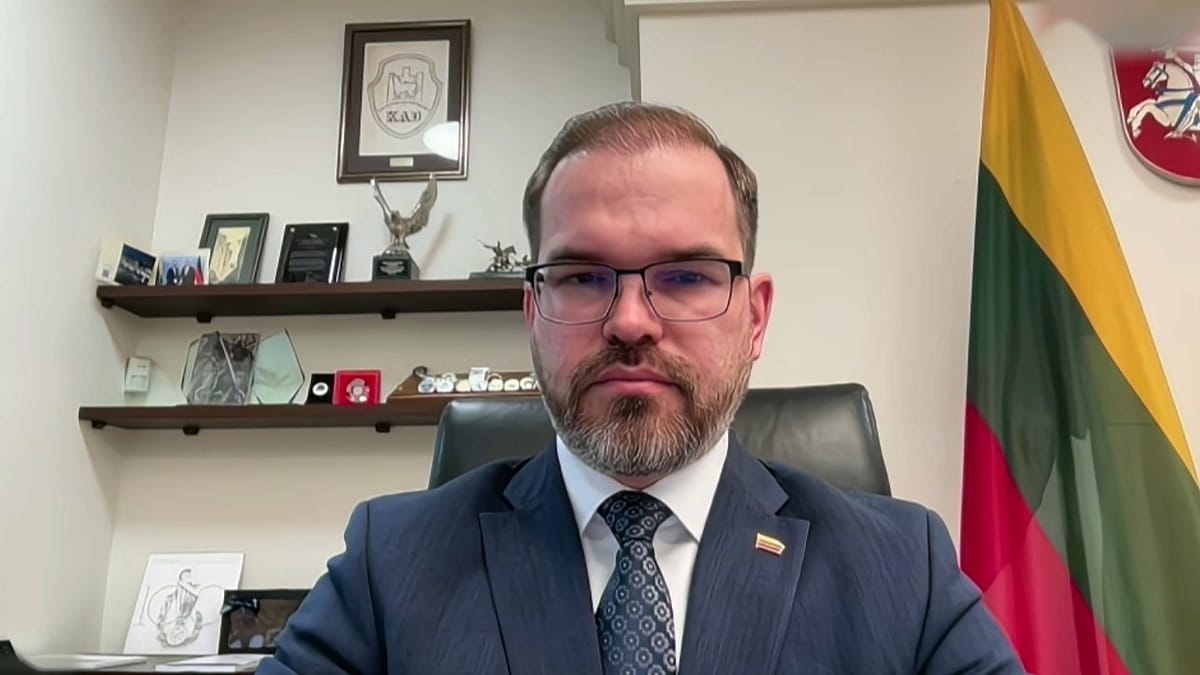
A day after Lithuania’s capital of Vilnius was ground to a halt due to a drone incursion, which comes off the back of at least half a dozen similar incidents in three weeks throughout the region, Lithuania’s defence minister Robertas Kaunas has reiterated that Europe must be prepared for the high probability that more will come.
ADVERTISEMENT

ADVERTISEMENT
“This is the new reality of what the Baltic states face,” he said in exclusive comments to the Europe Today news programme.
“We need to adapt because the possibility of repeated similar scenarios is very high.”
At 10am on Wednesday citizens in Vilnius were told to immediately seek shelter due to drone activity near the border with Belarus. The country’s president Gitanas Nausėda and prime minister Inga Ruginienė were shuttled to an underground bunker while officials above ground were left scrambling as to figure out the origin of the drone – and potential ramifications.
“Based on the parameters we saw, it’s most likely either a combat drone or a drone designed to deceive systems and lure targets,” Vilmantas Vitkauskas, head of Lithuania’s National Crisis Management Center, said in a news briefing. It wasn’t possible to ascertain whether the drone had a warhead, he said.
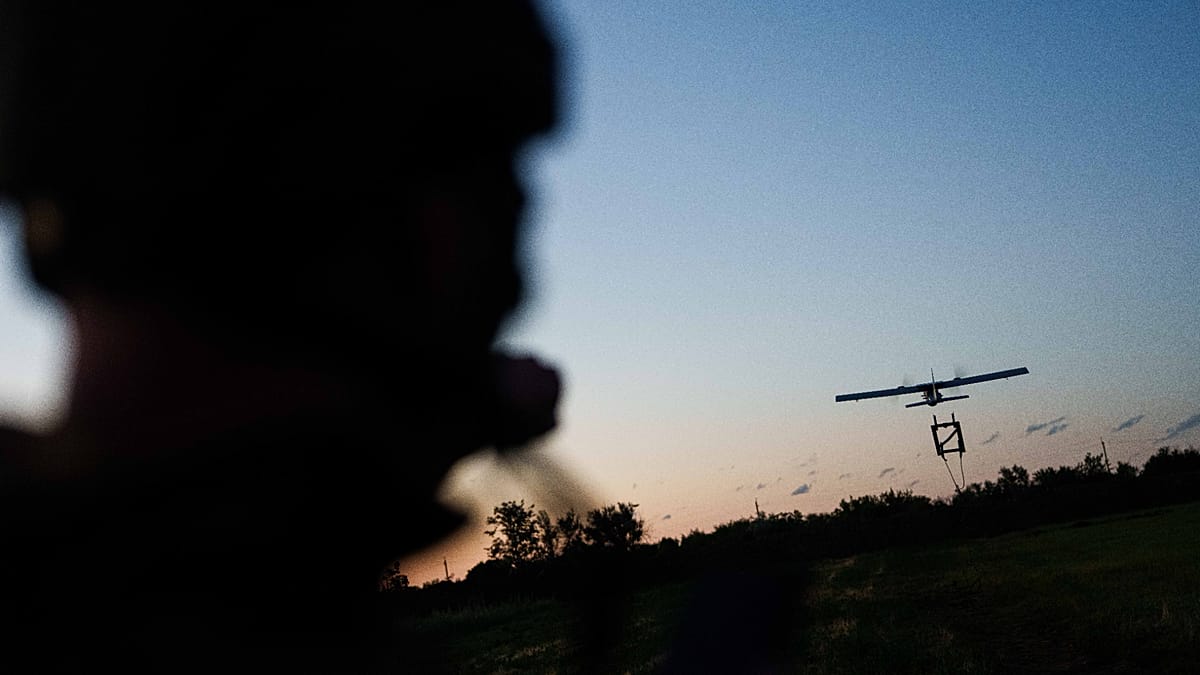
The origin of this drone has not been clarified either, but a variety of Ukrainian drones have been pushed into European airspace through Russian GPS jamming in recent weeks.
“A NATO air police mission was activated, so two Portuguese fighter jets surrounded and intercepted the drone,” Kaunas said.
“It’s important to emphasise actually how crucial that NATO air police mission is in the Baltic states.”
NATO Secretary-General Mark Rutte commended the alliance’s reaction to several drone incidents in recent days, saying Wednesday in Brussels that they had been met with “a calm, decisive and proportionate response.”
Although the suspected incursion lasted roughly one hour, it was the first major alert that sent residents and political leaders in a European Union and NATO capital rushing to shelters since Russia’s invasion of neighbour Ukraine in February 2022.
Euronews spoke to 24-year-old Viktoria, a university student on her way to meet a friend in Vilnius when the alert sounded. Her friend was evacuated to a bunker, while Viktoria was left wondering about the security of her city – as well as potential future drone incursions orchestrated by Russia.
“People were alerted about the need to go to their shelters, and here no panic was detected, everyone was calm,” Kaunas said.
But when pressed about the accounts of individuals like Viktoria, the defence minister conceded, “We need to increase and enhance our airspace defence.”
“We are investing a lot in our air defence capabilities with new radars are coming.”
Lithuanian President Gitanas Nausėda said in a statement posted on social media platform X that the security of the Baltic States is the security of Europe.
European Commission President Ursula von der Leyen vowed that the bloc will respond to these incursions shaking the Baltics with “unity and strength”.