
Published on •Updated
They say hospitality begins at home, and Brussels is putting that to the test this week. European leaders António Costa and Ursula von der Leyen are hosting South Korean President Lee Jae Myung for the EU-Republic of Korea summit. Meanwhile, their northern neighbours in Pyongyang have a busy schedule hosting China.
ADVERTISEMENT

ADVERTISEMENT
Your reporter won’t cover every single summit here, but this one matters. Why it is important?
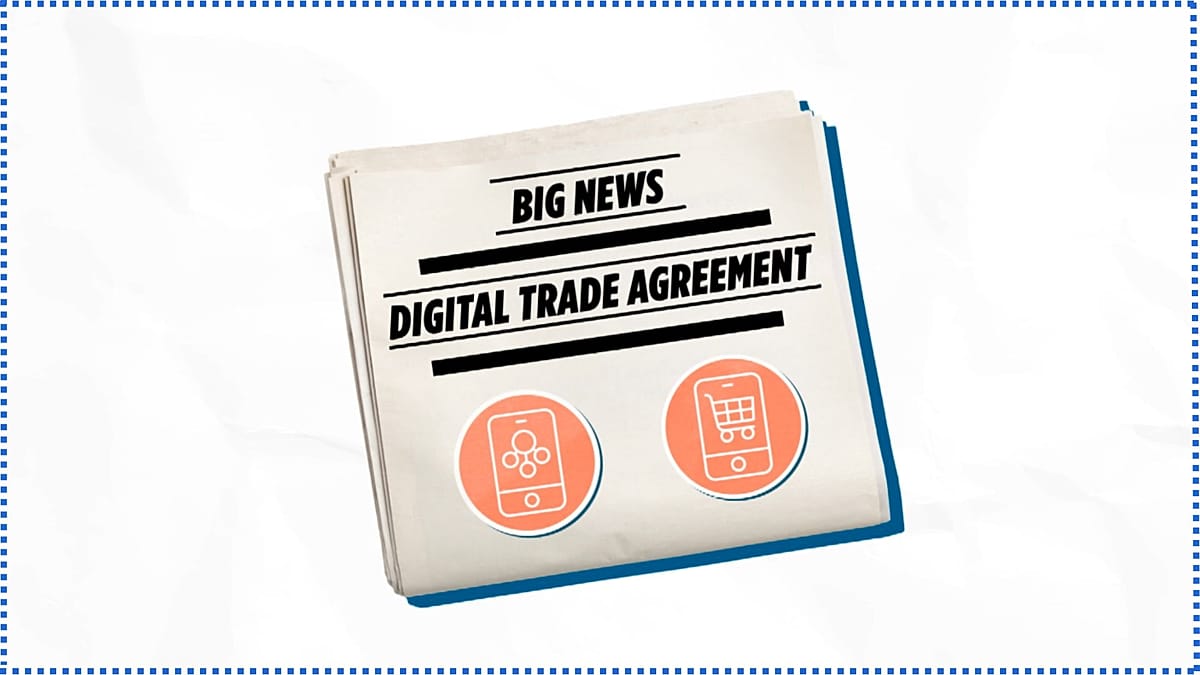
The big news is a newly finalised Digital Trade Agreement, which sets binding rules for data flows and e-commerce. But the real driver here is defence and geopolitics. Following a 2024 security pact, the EU is rapidly fortifying ties across the Indo-Pacific.
Amid rising tensions, Renew Europe politicians are even pitching a NATO-style economic deterrence pact with Seoul to block trade coercion from Washington or Beijing.
We are not talking about pocket money here. Trade topped 124 billion euros last year, and it is a busy two-way street. Europe mainly sends over factory machinery and chemical products. In return, Europeans buy a huge number of South Korean cars, microchips, and home electronics.
South Korea is a tech powerhouse, spending nearly five per cent of its GDP on research, more than double the European average. Their microchips and batteries power Europe’s everyday economy, backed by massive Korean investments inside Germany, Poland and Hungary.
Europeans are rapidly entering an era where international security is just as much about safeguarding microchip supplies and electric vehicle batteries as it is about traditional military firepower.
If you are still not sold on the high-stakes world of semiconductor defence, there is always the K-pop. At least that is a lot easier to dance to.
Watch the Euronews video in the player above for the full story.