
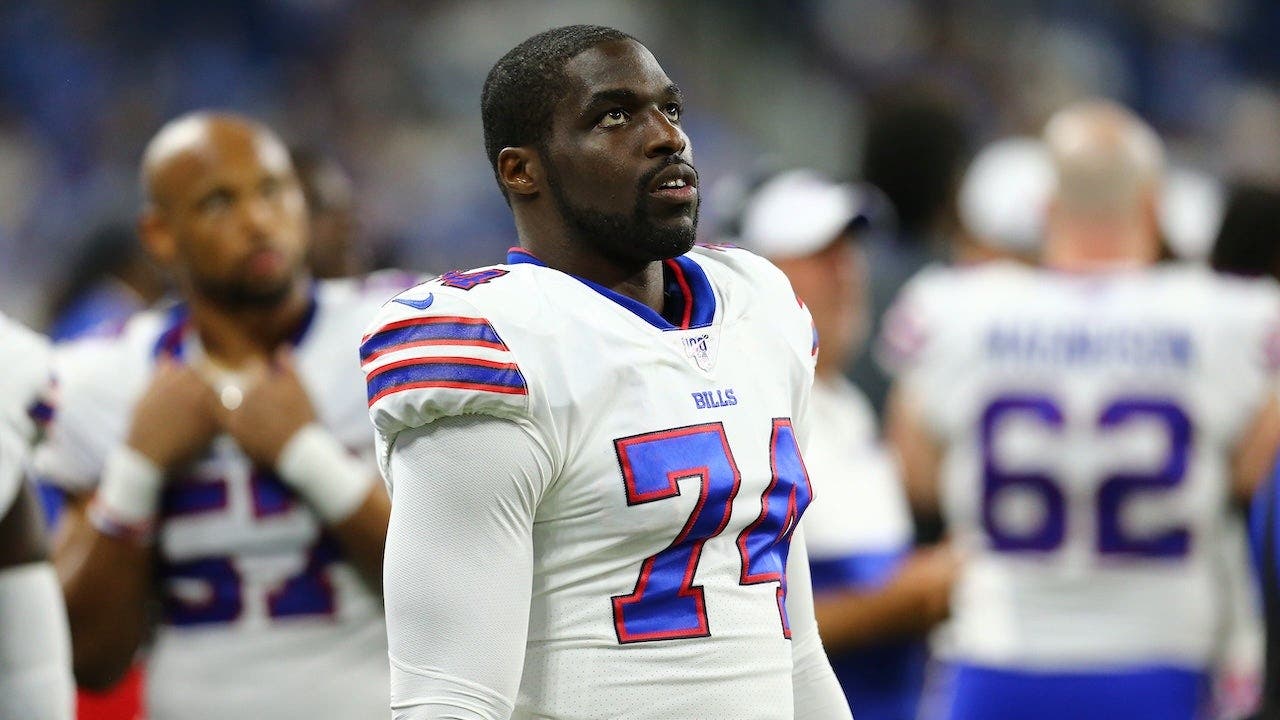
NEWYou can now listen to Fox News articles!
Former NFL player and current ESPN NFL analyst Sam Acho attended the Ronald Reagan Foundation Center on Civility & Democracy’s inaugural Reagan Civility & Democracy Forum last week.
There, he advocated for improving civility among Americans, especially in sports.
“We talked about civility in sports and how many of the same attributes athletes use can be applied to civil discourse: sportsmanship, winning and losing the right way and playing within a set of rules,” Acho told Fox News Digital.
PATRIOTS LEGEND ROB GRONKOWSKI REVEALS THE IMPACT POLITICS HAS ON LOCKER ROOM DYNAMICS
As a former pro athlete and now a top sports media figure, Acho shared his vision for the role of athletes and sports media in promoting civility across the country and how Sophie Cunningham fits into it in an exclusive interview with Fox News Digital.
Questions and answers have been shortened for brevity and focus.
Q: What does civil discourse look like to you?
Sam Acho: It can include disagreement. You don’t always have to be on the same page. In football, some people believe in a 3-4 defense; others prefer a 4-3. Some say you have to blitz to get to the quarterback. … Others believe in playing coverage. … But the goal is the same: to win the game.
In society — especially among political leaders — the goal should be to serve the country and make it better. … People may disagree about which law or approach is best, but at the end of the day, it’s about wanting the country to be better.
Q: Did conversations about politics and other issues happen in NFL locker rooms?
Sam Acho: Nowhere in the locker room was it not allowed to have certain conversations.
We’d have debates about, um, is it harder to, to be a track athlete or a golfer.
We’d also have political debates. We’d talk about politics, talk about certain rules, certain laws. “Hey, what do we think about what the president said? What do we think about what this governor is trying to do?”
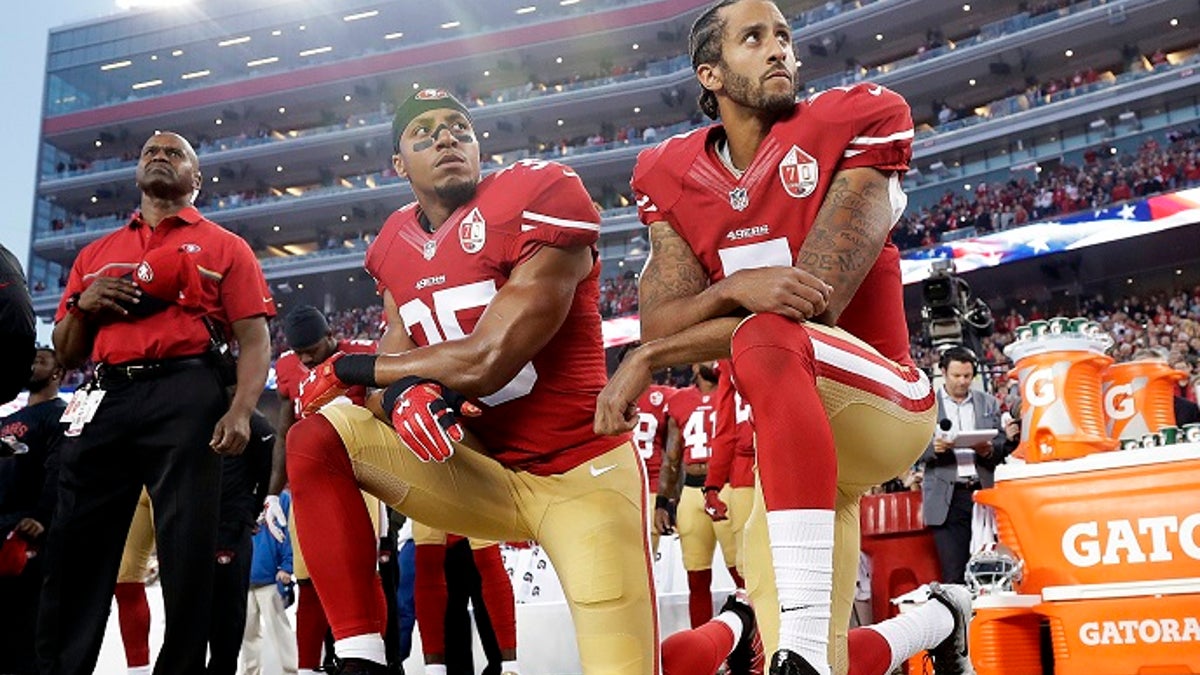
I remember we were, when Colin Kaepernick was taking a knee and protesting during the national anthem, we weren’t shying away from that.
Q: Did those conversations ever become uncivil?
Sam Acho: In any family, in any team, in any conversation, you may cross the line, but usually when you cross the line, you either apologize or they apologize, or you try to find a way to make it right.
I’m not, I’m not gonna pretend that we lived in a utopia. … But when you cross the line or when you go out of bounds or when you make a mistake, OK, you either apologize, or when you lose, right, you shake hands, you move on, right?
When the conversations did become uncivil, or maybe we had a big disagreement, I didn’t drop my ball and walk away. No, I actually went and said, “Oh, we have practice in like 15 minutes.” Then we had meetings in two hours. Then we were together at lunch the next day.
Q: How could the NFL and its players, coaches and executives help promote civility?
Sam Acho: I think one thing that athletes have that many other people don’t is a platform. A lot of athletes have a platform. … And I think one area that quarterbacks, that coaches, that players, that athletes can continue to use is their platform, not only to speak out on issues that matter to them, but also to educate themselves on issues that matter.
And, so, one area I think that athletes … and coaches and executives can do is to continue to speak up and, and stay educated on topics.
Q: Do you believe using that platform to speak up on topics comes with the risk of promoting uncivil discourse?
Sam Acho: Everything comes with risk. Life comes with risk. … But oftentimes it’s not really about risk, it’s more about … how do you respond to defeat? How do you respond to adversity? How do you respond to, uh, something not going your way?
When I’m on TV … there’s a risk that people may disagree with my opinion, but that doesn’t mean that I just absolve myself from the conversation. It’s understanding the risk … and still moving forward with an educated perspective.
Q: But, in general, you would encourage more athletes, especially those with platforms, to make their feelings on certain topics known?
Sam Acho: I would encourage athletes to continue to understand that they are more than just what you do on a field. That’s probably my biggest encouragement. Oftentimes … you, as an athlete, you think that, or people tell you, that you are what you put on tape.
That you’re only that, and you’re more than just that. There’s our human capital. There’s your physical capital. Yes, you train, you eat right, you go to sleep on time to be the best athlete you can be. But there’s also your intellectual capital.
KATIE UHLAENDER: ATHLETES RISK PAYING THE PRICE IF PROTECT COLLEGE SPORTS ACT IS PASSED
Athletes should know they are more than one dimension of a human being. The same is true for people in politics: You are more than a governor or a senator. You should ask who you are becoming as you make decisions. Are you simply trying to gather as much power as possible, or do you recognize that there is something beyond one election or one vote?
Q: What do you think about Sophie Cunningham’s recent use of her platform?
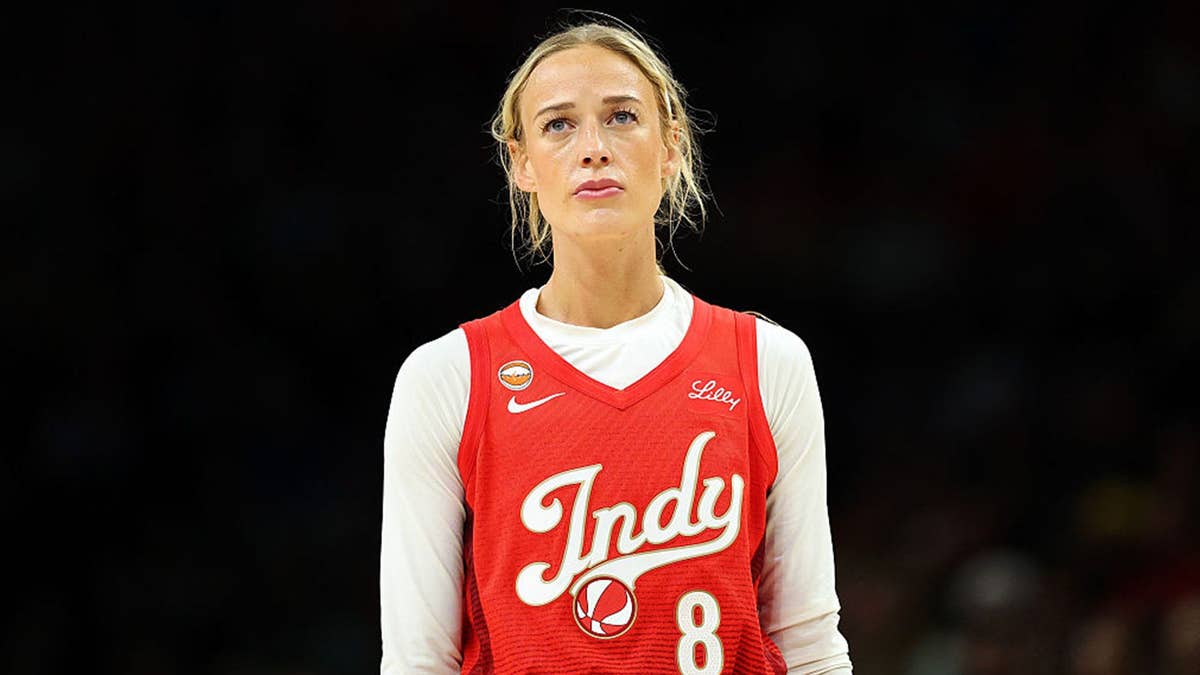
Sam Acho: So, I’d have to get, I’d have to dial myself back more in to see what kind of what Sophie Cunningham has been saying and not saying, but I will say, I go back to this. Like, as an athlete, you have an opportunity to use your platform and to steward it well. You absolutely do.
And I don’t think that athletes should shy away from speaking up for what they believe. I think so many people in society, they speak up for what they believe. And know that, yeah, there’s a risk involved for sure. I think that athletes should continue to use and to steward their platform, knowing that you may not be liked. But I think athletes should continue to use their platform and steward it well.
Q: How can sports media figures do a better job of promoting civil discourse?
Sam Acho: It goes back to the idea of platform. A lot of sports media figures, not all, but many were former athletes. So, they put down that physical side, now they’re using the intellectual side.
And I think it is remembering that even as a sports media, media figure, you do have a platform. Pat McAfee has a huge platform on ESPN. I think about, um, and what he’s been able to do with his platform, and then using that to realize that people follow you. People listen to you. People may not agree with everything you say, but you do have a platform, and you want to steward it well.
Your voice, your opinion, those things are yours. So they’re yours to steward. They’re not yours to say, “OK, how can I gather as much power, as many followers as I can?” And just waste it. No, you’re a steward.
Q: What does it look like to steward a sports media platform poorly?
Sam Acho: There was a game last year, last season, or maybe the season before, and Texas played Georgia. And third quarter of the game or so, late third quarter, there was a call that didn’t go Texas’ way. Texas was the home team. They were hosting Georgia. And a lot of the fans were upset the referees missed the call. Well, while the referees missed the call, all of a sudden the fans at Texas started to throw cans and bottles and things on the field in order to delay the game so that the referees could go and maybe look at the call and try and reverse the call.
CLICK HERE TO DOWNLOAD THE FOX NEWS APP
And the referees did end up going and changing the call. Texas still lost the game, No. 1. No. 2, it wasn’t a good look for, uh, it wasn’t a good look for Texas, and I think it’s even being willing to say that, right? Not just saying, “Well, look, I went there, and I’m a broadcaster. And we won or we lost or they got the call right.”
No, the call was wrong, but you don’t go and say, “I’m gonna just throw bottles on the field,” and say that that’s OK. I think that no matter who you are in sports and sports media, and no matter what avenue you have, I think it’s wise to say, “Hey, that was wrong. He was out of bounds.
“We were out of bounds.” And realizing that it may cost you the game. And even if you try to, even if you do that thing that was wrong and, and, and, uh, you get the call that goes in your favor, what did you actually win?
