
NEWYou can now listen to Fox News articles!
MEXICO CITY: Mexican cartels are said to be using commercial and modified drones to watch U.S. security personnel, map patrol routines and support smuggling corridors along the southern border as authorities expand efforts to disable the aircraft.
The U.S. military detected 378 drone incursions along the border during the previous 30 days, Brig. Gen. Brian Filler of Joint Task Force-Southern Border recently told reporters. He said the trend was increasing, and the aircraft were typically commercial drones with cameras used for surveillance tied to smuggling and human trafficking.
“On the border, the most common application is surveillance and reconnaissance as cartels look to establish a pattern of life for U.S. security personnel and support smuggling outcomes across the border,” Austin Doctor told Fox News Digital.
Doctor directs strategic initiatives at the National Counterterrorism Innovation, Technology and Education Center and teaches criminology and criminal justice at the University of Nebraska at Omaha.
US MILITARY LAUNCHES FIRST AUTONOMOUS WARFARE COMMAND TO DEPLOY UNMANNED SYSTEMS ACROSS LATIN AMERICA
A U.S. Customs and Border Protection spokesperson confirmed the growing threat, telling Fox News Digital, “Rapidly advancing Unmanned Aircraft System technology presents persistent threats, including counter-surveillance, illicit cargo movement and potential kinetic attacks.
“Cartels increasingly exploit UAS for surveillance, illicit activities, monitoring law enforcement, scouting crossing points and coordinating smuggling operations. CBP detected over 42,000 near-border UAS flights in (fiscal 2025) and over 37,000 in (fiscal 2026), underscoring the scale of this challenge.
“Under congressional authority (6 USC 124n), the Department of Homeland Security has approved Counter-UAS authorities for CBP. U.S. Border Patrol C-UAS operations, with DHS Secretary approval, cover the entire Southwest border and areas extending 100 miles inland for detection, identification, monitoring, and tracking of UASs. USBP C-UAS operates in all Southwest border sectors to detect, track, and mitigate these threats.”
Doctor explained how the cartels are using drones.
“Most cartels and cartel associates still rely on commercial-off-the-shelf drones,” he said. More sophisticated aircraft are emerging, however, including “larger agricultural drone devices.”
He added, “Cartels continue to innovate their drone designs, often focused on increasing payload sizes, improving resistance to countermeasures and boosting operational capabilities.”
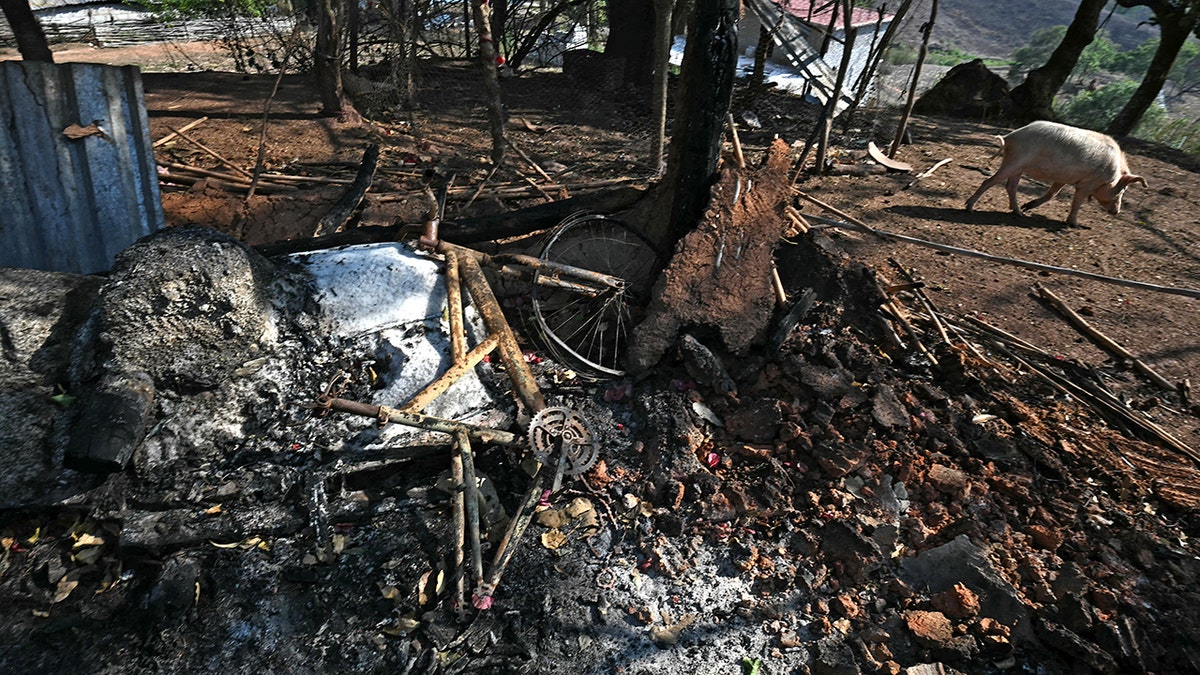
He identified surveillance and logistics as the dominant border roles, with weaponized use more frequently documented inside Mexico.
“Cartels and cartel affiliates use drones for a wide range of tactics and operations. … That includes kinetic attacks on rival factions, civilians in Mexico and local security forces.”
Doctor said NCITE research identified the Jalisco New Generation Cartel, or CJNG, as “a key driver of drone innovation and adoption within the Mexico cartel ecosystem,” although drone use has spread among cartels and across Mexican states.
FBI WARNS BATTLEFIELD-STYLE DRONE ATTACKS COULD REACH US: ‘ONLY A MATTER OF TIME’

A 2025 seizure in Reynosa, Tamaulipas, shows how border regions can support those programs. Mexico’s security cabinet said soldiers and state police detained a man and seized 18 drones, 151 explosive objects, two improvised explosive devices, a drone detector and three counter-drone devices. The official announcement did not identify a cartel. Doctor said the safehouse “was reported as linked to the Los Metros faction of the Gulf Cartel.”
Weaponized drones have also reached a Mexican border city. In October 2025, Baja California’s prosecutor said a drone dropped homemade explosive devices at an anti-kidnapping prosecutor’s office in Tijuana, damaging four vehicles but causing no injuries. Authorities described it as criminal retaliation but did not publicly identify a cartel.
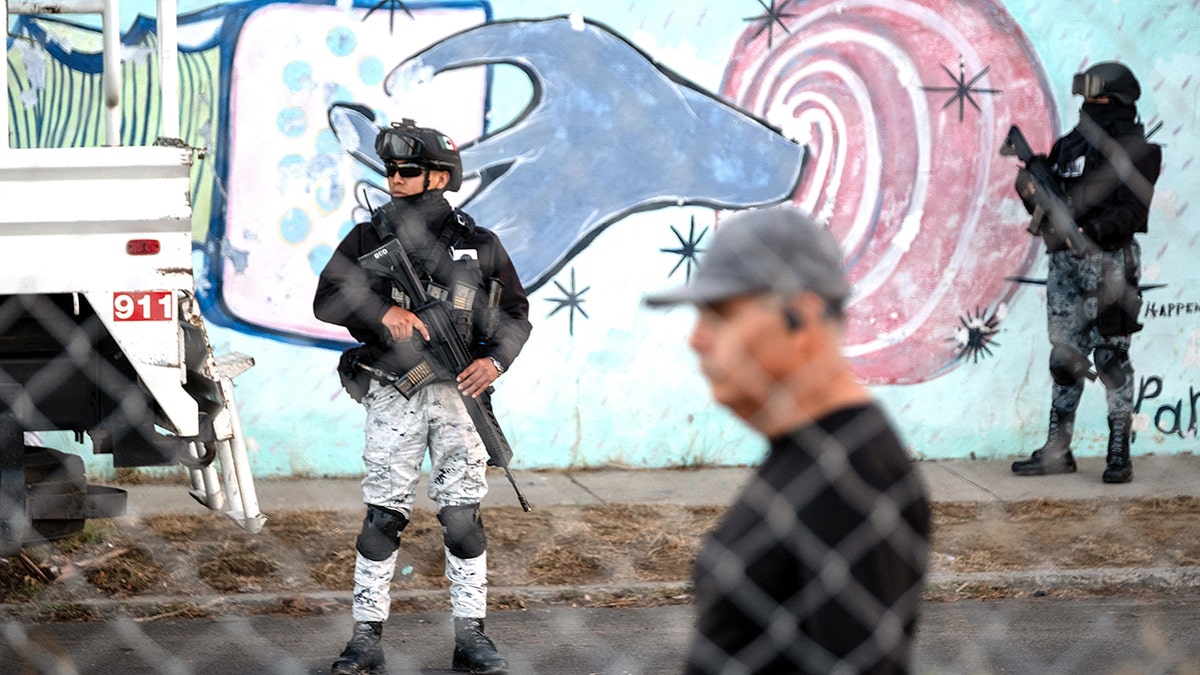
Doctor said Tijuana was among the exceptions to the pattern of attacks occurring farther inside Mexico. Border regions, he said, remain “critical facilitation hubs,” and the risk of increased kinetic attacks there “remains credible.”
Mexico says it is responding with interdictions, counter-drone equipment, military operations and new criminal penalties. During last month’s Águila Alta operation in the Tijuana-San Diego area, the defense ministry said Mexican forces neutralized five drones, detained one person and seized a gun, magazines and ammunition.
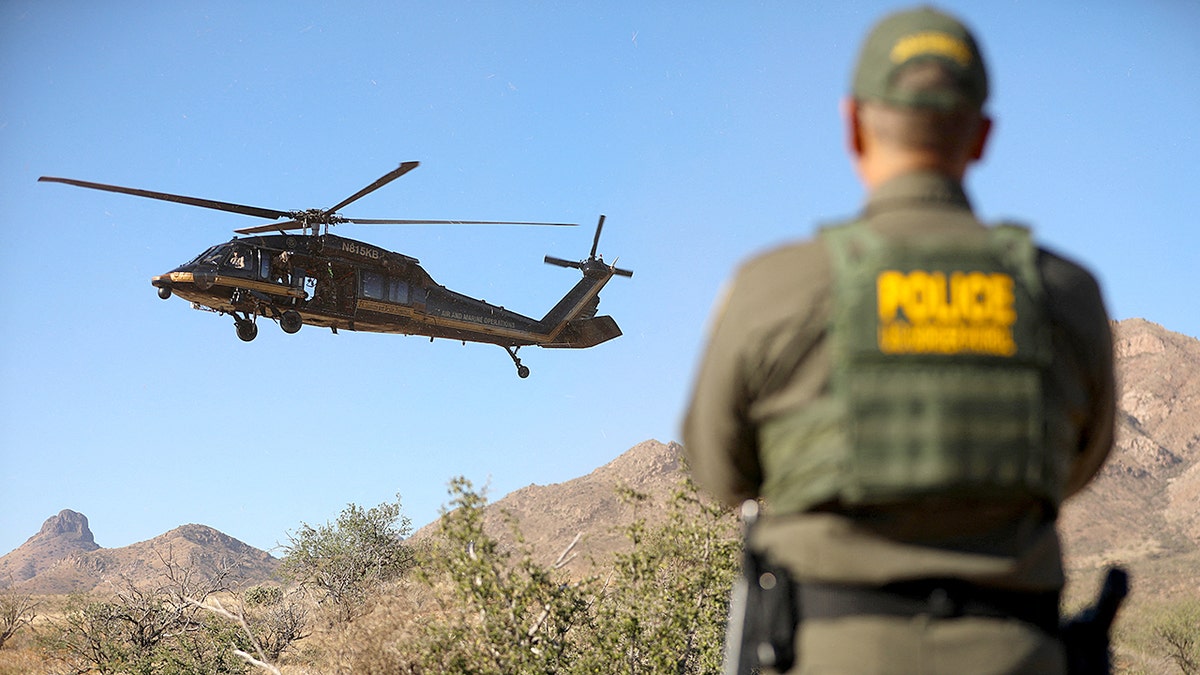
One aircraft was initially detected in the U.S. and later neutralized in Mexico following information-sharing with Customs and Border Protection. Officials said the operation deterred criminal activity and strengthened coordination but released no before-and-after data showing whether drone traffic subsequently declined.
Mexico made certain drone-related conduct a federal crime in 2024, including dropping explosives, adapting aircraft to carry weapons or drugs and surveilling public officials.
CBP OFFICERS SEIZE $67 MILLION IN ILLEGAL DRUGS AT SAN DIEGO BORDER PORTS, DHS SAYS
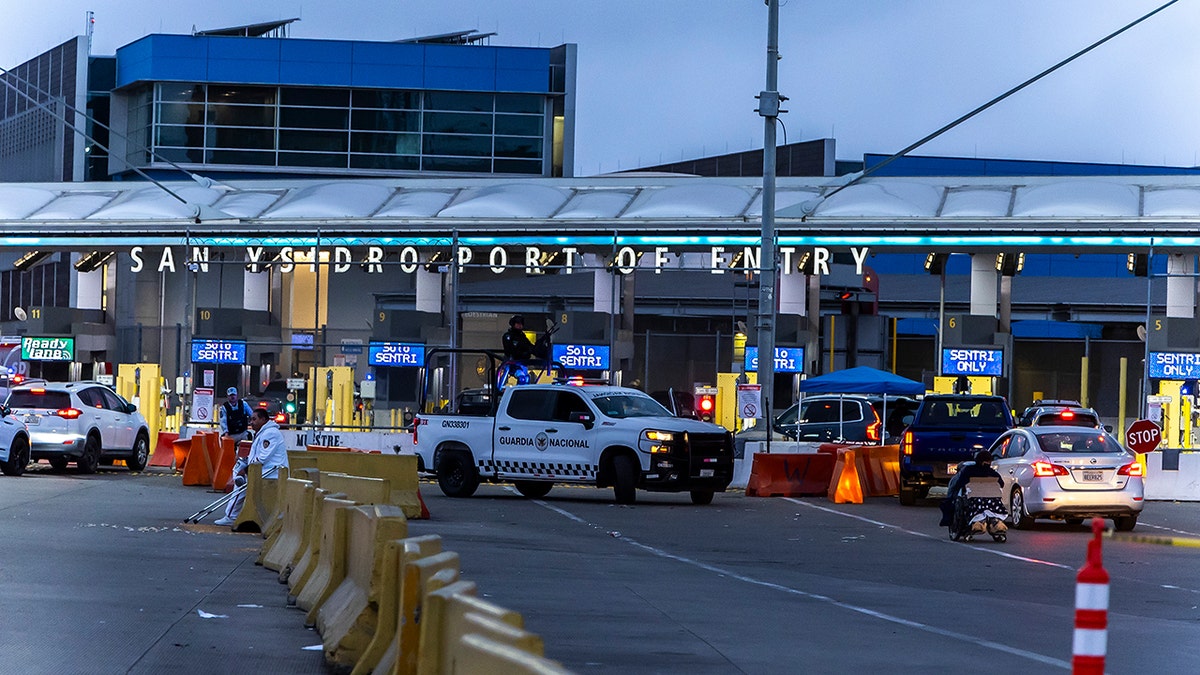
Earlier this month, Mexico deployed 500 soldiers and National Guard members, two helicopters, drones and mobile and fixed counter-drone systems in five Tamaulipas municipalities. The Navy separately reported 159 personnel, 11 vehicles and two drones under Operation Sable.
In response to Fox News Digital’s questions, a Department of War spokesperson said Joint Task Force-Southern Border, CBP and the Department of Homeland Security use layered monitoring and detection systems to “observe, evaluate and, if needed, engage threats.”
CLICK HERE TO DOWNLOAD THE FOX NEWS APP
What remains unknown is the number of cartel-operated drones, which groups control individual flights and whether Mexico’s countermeasures are producing results.
Doctor said increased counter-drone resources are important but cautioned that “it is almost certain that cartels will continue to innovate and adapt.”
Read the full article here
