


We’ve grown so used to the constant background hum of car horns and engines that we don’t appreciate true silence until we’re away from it.
ADVERTISEMENT


ADVERTISEMENT
It’s not just the lack of noise, either – no cars means you can meander aimlessly without worrying about crossing the road or holding up traffic.
Looking for your next car-free escape? Here’s where to go in Europe.
Ljubljana, Slovenia
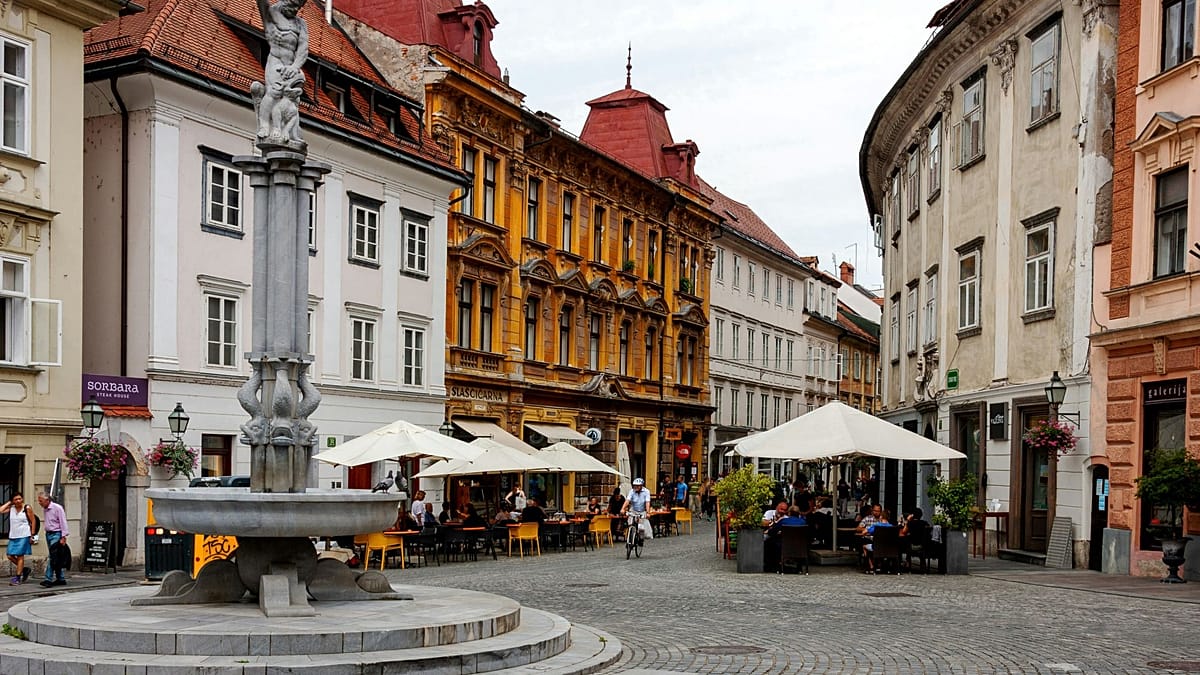
While it’s true that many cities with old towns are pedestrianised in the city centre, Ljubljana’s car-free zone extends well beyond that, spanning 20 hectares – the largest in the European Union.
It wasn’t always this way. The Slovenian capital began by making 12 hectares car-free in 2007, before slowly expanding to reach its current size.
Today, you can cycle or stroll between the city’s many cafes, museums and galleries, or hop aboard the urban train (which is electric, of course) between the city’s main sights like Ljubljana Castle and the Town Hall.
Giethoorn, Netherlands
Located around two hours from Amsterdam, this picturesque town dubbed the “Dutch Venice” has no cars, with its 2,000 residents navigating around by canal, foot, or bike.
Giethoorn’s popularity has soared in recent years, which does negate some of the charm as boat traffic jams replace the more traditional ones. However, as most people come here for a day trip, you can avoid the crowds in the summer months by staying overnight and hopping on a rented boat after 4pm.
As an alternative, Dwarsgracht is just down the road from Giethoorn (you can even rent a boat to travel between the two) yet receives far less visitors.
Civita di Bagnoregio, Italy
Perched atop a hill above the Tiber river valley, Civita di Bagnoregio is popular both for its dramatic location and its medieval architecture.
Located around a two-hour drive from Rome, the only way into the town is up a rather steep footbridge that you’ll have to pay €3 to access on weekdays and €5 on weekends and public holidays. Money from tourists is put towards efforts to preserve the town, which is slowly being eroded.
Much like Giethoorn, Civita di Bagnoregio is a popular day trip destination, so you’ll want to arrive in the early morning or in the evening to avoid the summer crowds.
Hydra, Greece
The Greek island of Hydra isn’t just car-free – practically all wheeled vehicles, including bikes and motorcycles, are banned here.
Not that you’d be able to use them anyway. The town is centred on its harbour, with the streets leading off the main port steeply rising up the hill, with only donkeys and horses able to navigate them (aside from using your own two feet, of course).
If you want to reach other destinations on the island, you’ll need to book a water taxi.
La Graciosa, Canary Islands
Just a 25-minute ferry from the ever-popular Lanzarote, a visit to La Graciosa is a way to beat the crowds – and escape the cars.
Having said that, the island isn’t strictly car-free, but with no asphalted roads, your only option is a 4×4 taxi. And with strict limits on their numbers, and no traffic, we don’t think you’ll mind too much.
La Graciosa is known for its secluded beaches, which you can reach by hike or bike. As the island is mostly flat, either option is accessible to most.
Sark, Channel Islands
Another island with a ban on cars, the only vehicles allowed on Sark in the Channel Islands are tractors, bicycles, and horse-drawn carriages.
There are hiking trails criss-crossing the island, with numerous bays and natural swimming pools offering a place to cool down in the summer.
Another thing that Sark lacks is street lights, and in 2011 it was designated as the world’s first Dark Sky Island. You only need to look up to appreciate the lack of light pollution, but for those with a keener interest in the stars, there is also an observatory on the island.
Zermatt, Switzerland
The mountain village of Zermatt has long been a popular tourist destination thanks to its proximity to the Matterhorn.
To preserve that iconic view, a ban is in place on cars that could contribute to pollution, meaning only e-taxis and e-buses are allowed here. You won’t be able to bring your own electric vehicle, either – you’ll need to park in Täsch before taking a short train into town.
The charming town is small enough to get around by foot, but you can also rent a bike, or opt for a horse-drawn carriage tour.