

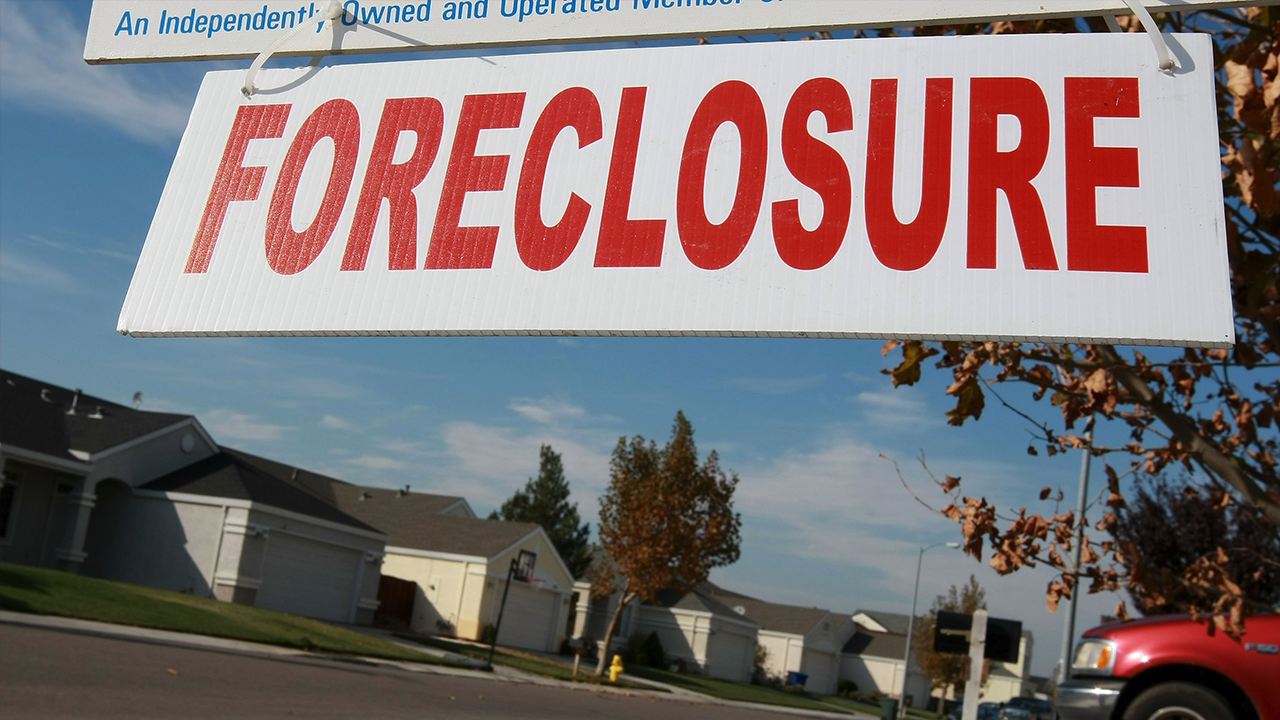
Homeowners associations (HOAs) across the nation are reportedly taking a tougher stance on unpaid dues, pursuing foreclosure against more homeowners as communities grapple with mounting financial pressures.
Real estate experts say the aggressive collection efforts are being driven by rising operating costs, shrinking reserve funds and concerns that unpaid assessments could leave associations unable to cover essential expenses.
According to real estate analytics firm ATTOM, HOA-related foreclosures jumped nearly 40% compared with two years earlier, The Wall Street Journal reported. The report also found HOA foreclosures are rising faster than overall mortgage foreclosure rates.
“HOAs are being forced into more aggressive collections to avoid their own financial collapse,” Brian Fox, co-founder of real estate technology firm Benutech, which tracks HOA delinquency trends and foreclosures, told WSJ.
AVERAGE MONTHLY MORTGAGE PAYMENT HITS NEW HIGH, TOPPING $2K FOR FIRST TIME EVER
HOAs typically rely on monthly or annual dues from residents to fund maintenance, repairs, insurance, landscaping and other community services. But as some homeowners struggle with higher living costs and mounting expenses, more associations are facing a rise in delinquent accounts.
Rather than offering extended grace periods, some associations are moving delinquent accounts to attorneys more quickly or filing liens against homeowners who fall behind on assessments.
The crackdown is affecting communities ranging from suburban condominium complexes to luxury neighborhoods, according to the report.
CALIFORNIA BUILT MORE HOMES THAN PEOPLE OVER SIX YEARS – SO WHY IS HOUSING STILL SO TIGHT?

Benutech Data Insights found that homeowner associations have filed a sharp increase in liens, which are legal claims placed on a property when a homeowner falls behind on assessments, fees or fines. In many states, unpaid liens can eventually lead to foreclosure.
In 2025, HOAs reportedly filed 284,933 liens against homeowners, roughly one every 90 seconds. That figure represents an 8.6% increase from 2024, according to property records compiled by Benutech Data Insights.
Financial strain has also intensified within homeowner associations themselves.
A late-2025 report by Reserve Study found that nearly three-quarters of association-governed communities are underfunded. Specifically, 74% of associations were less than 70% funded, meaning they may not have sufficient reserve savings to pay for expected repairs and capital projects.
At the same time, HOAs have been hit with rising costs for staffing, landscaping, maintenance and building materials.
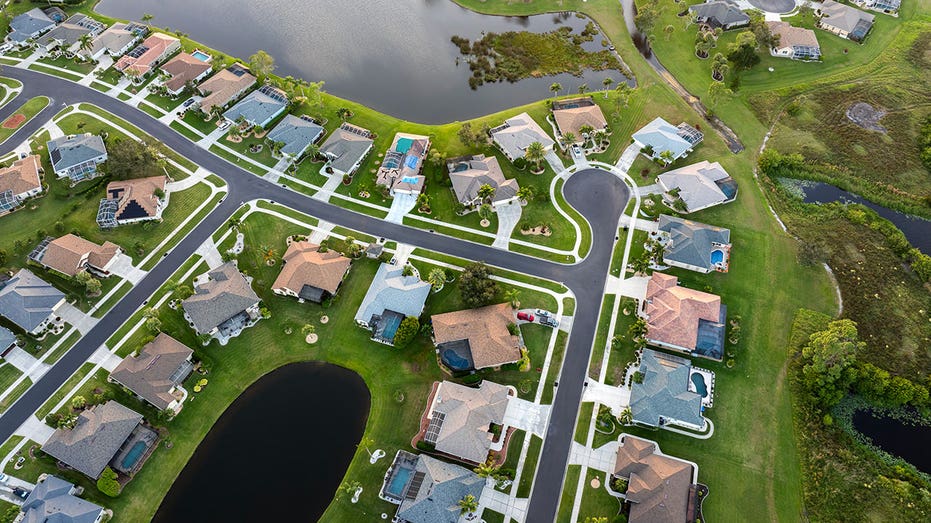
Insurance has become one of the biggest cost drivers.
According to the Foundation for Community Association Research, 93% of surveyed associations reported increases in property and casualty insurance premiums.
More than half those premiums rose between 11% and 25%, while about 10% reported increases exceeding 100%, adding further pressure on HOA budgets and increasing the need to collect assessments from homeowners on time.

