


Published on
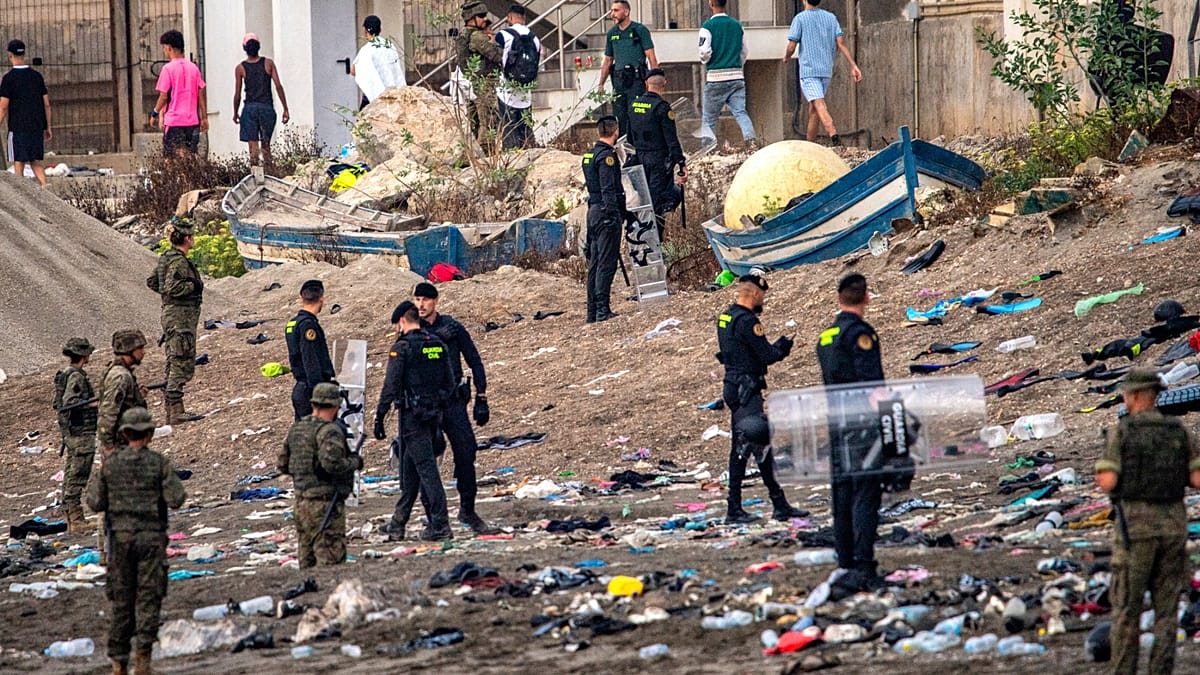
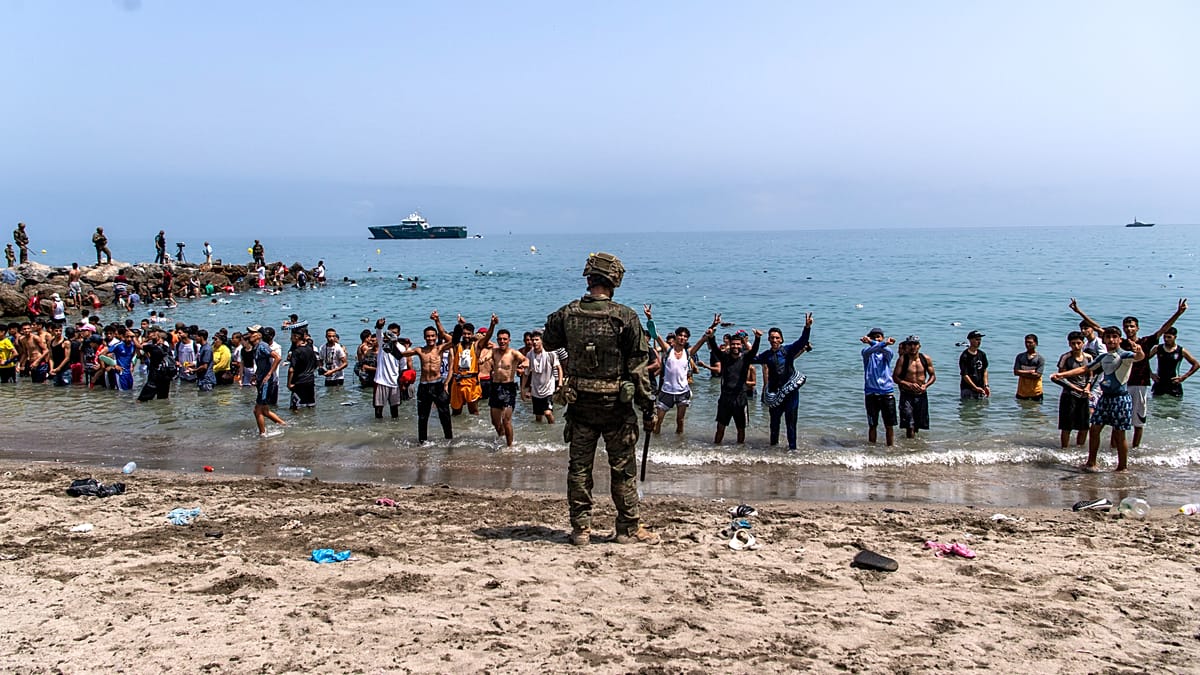
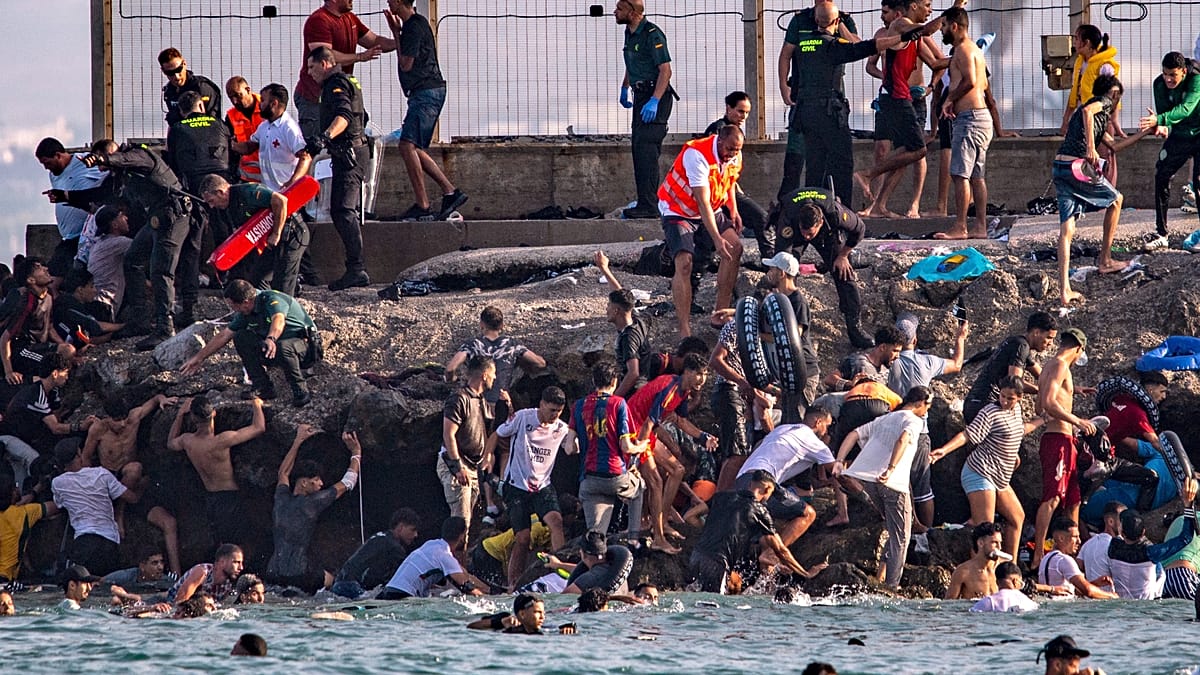
The autonomous city of Ceuta is trying to regain a sense of calm. Authorities have begun installing protective barriers along the breakwater where at least 60,000 people crossed irregularly.
ADVERTISEMENT


ADVERTISEMENT
Yet, the effects of the crisis remain palpable. An undetermined number of migrants are still wandering the streets, and authorities suspect that some are hiding in the homes of friends and relatives.
One resident told me:
“Honestly, It was scary. When, when that whole that stampede came in, that whole crowd came rushing in. Yes, we were scared, to be honest. The truth is, we did. We were really scared. We were really scared. The thing is, the Armed Forces— they’ve arrived—thank God—and they’ve left.”
The Ceuta Business Confederation has reported that local businesses have resumed operations—albeit “with caution.”
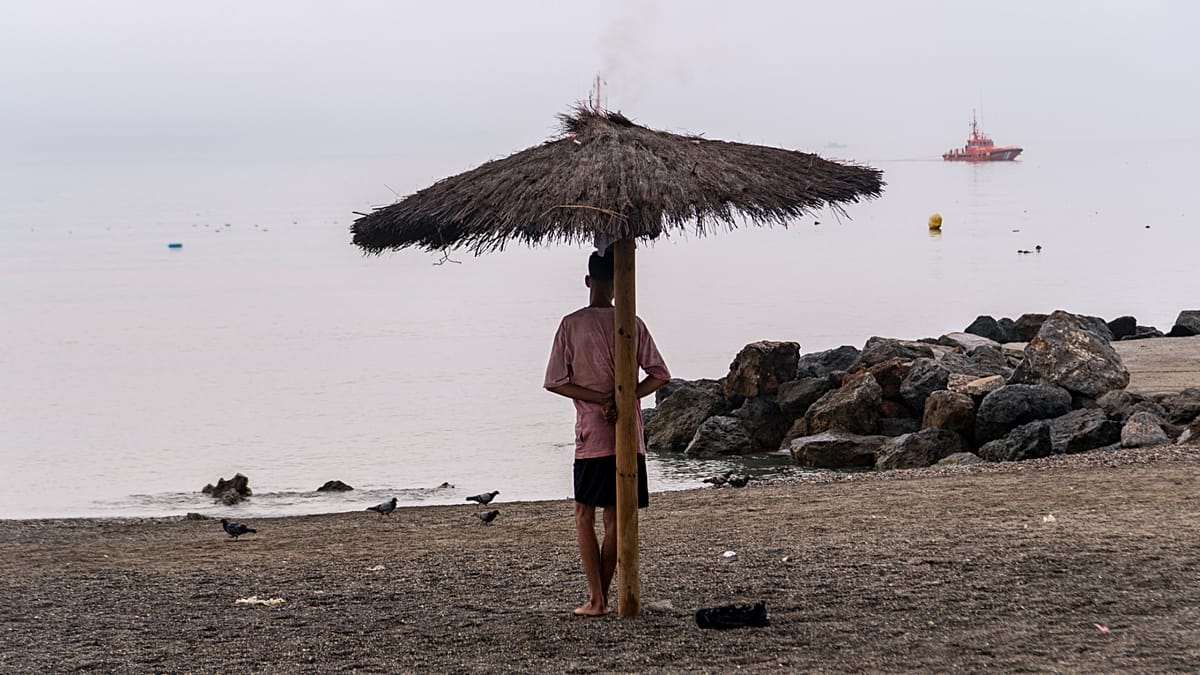
A would-be migrant explained his reasons for coming here to me:
“I came here to find a new life. My father, my family, all are poor. But now we’re here. We’re trying to get by. Sleeping on the street. We’re here. Life is really hard.”
He told me he has spent time in Ceuta before and is not planning on leaving yet.
Ceuta would normally be celebrating its Patron Saint Festivities in honour of the Virgin of Africa right now. These celebrations have been cancelled—an unusual situation that adds to an already charged social atmosphere, marked by mixed emotions of fear, uncertainty, bewilderment, and anger, but also compassion.