

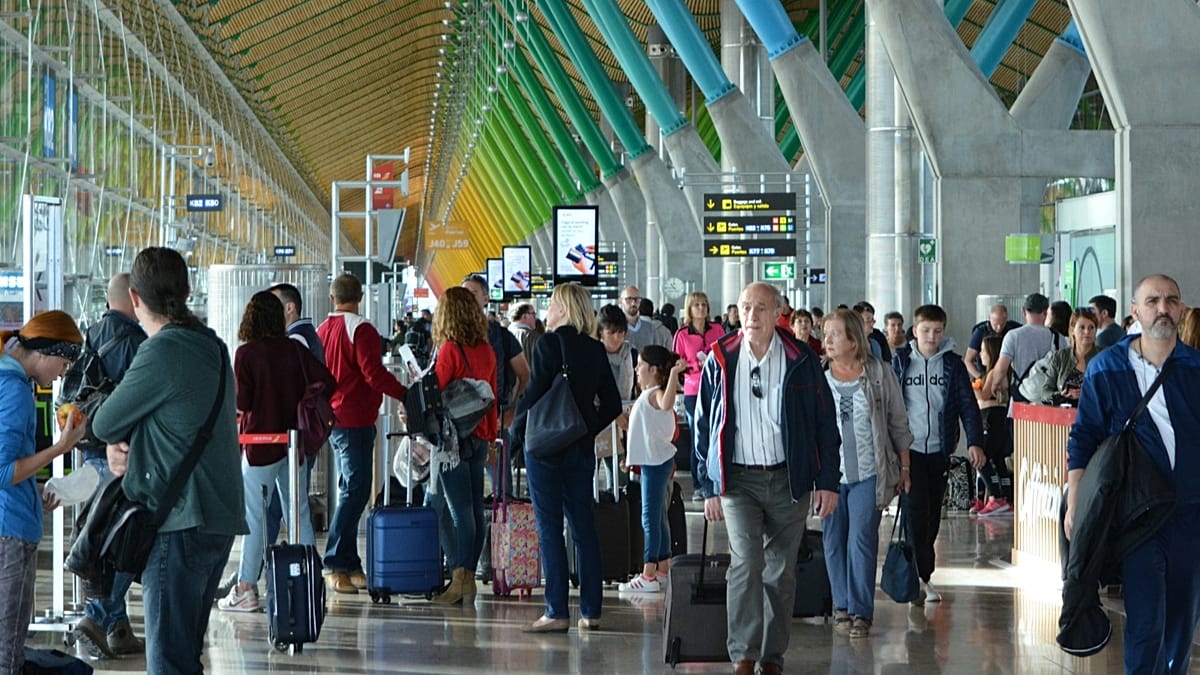
It’s been a tough few months for Europe’s tourism industry, with travellers facing major delays on the borders due to the introduction of the Schengen Entry/Exit System (EES).
ADVERTISEMENT


ADVERTISEMENT
Now, the launch of a separate scheme – the new European Travel Information and Authorisation System (ETIAS) – could also be facing delays, according to the UK’s Financial Times, after the “chaotic rollout” of the EES electronic border-check system “disrupted visits to the bloc”.
The launch of ETIAS, a new online system to pre-authorise entry to the EU, is set to be delayed until 2027, the FT reported. While the ETIAS website states that operations will start in the last quarter of 2026, and has not officially been postponed, the FT says it is “unlikely to be rolled out this year”.
Similar to the US ESTA system, ETIAS will see applicants pay €20 and undergo pre-travel security checks.
Even when ETIAS operations start, a transitional period of at least six months is planned. The EU says that “travellers should apply for their travel authorisation in this period, but those without one will not be denied entry if they fulfil the remaining entry conditions”.
‘Let’s clean up EES first’
Following “technical glitches” and the “slow deployment” of EES, the agency in charge of implementing ETIAS, EU-Lisa, has “acknowledged that launching it by the end of this year as planned was no longer feasible”, the FT said.
Quoted by the newspaper, a person briefed on the discussions said there were “still some IT issues” with ETIAS, but the focus should be on EES right now. “Let’s clean up EES first before you put another system that will double the line again,” they said.
Meanwhile, another person remarked that launching the ETIAS this year was “illusory”.
EES ‘not perfect’ but won’t be suspended
The EES became fully operational across the Schengen area in April 2026, replacing passport stamping for most non-EU travellers with a digital system that records entries and exits alongside biometric data, including fingerprints and facial images.
The system is designed to strengthen border security, identify visa overstayers and streamline external border management. However, Europe’s aviation industry says the rollout is having the opposite effect at many airports.
On 1 July, aviation organisations ACI EUROPE, Airlines for Europe (A4E) and the International Air Transport Association (IATA) issued an urgent appeal to European Commission President Ursula von der Leyen, warning that the rollout of EES had reached a “critical point” and is causing severe disruption for millions of travellers.
With just a week to go before the peak summer holiday season starts, the EU has rejected calls to suspend EES even though it admits there are “20 difficult spots” with queue chaos, The Guardian reported. EU officials said that while EES was “not perfect”, a full suspension was “not needed” and “not possible”.
What is the ETIAS?
Under the ETIAS rules, travellers who don’t need a visa from non-EU countries – including the UK, Australia, the US and Canada – will have to obtain authorisation before short stays in the Schengen Area.
This will require visitors to complete an online application, provide personal details, answer security questions and pay a fee. This authorisation will be linked to the traveller’s passport and will be valid for three years or until the passport expires.
Travellers from 60 non-EU countries will need to comply with the ETIAS, but there are some exceptions. The €20 fee will be waived for children under 18 and adults over 70, although they will still need to apply for authorisation.
It will apply to 30 European countries – all EU states except Ireland plus Iceland, Norway, Liechtenstein and Switzerland.

