

Published on
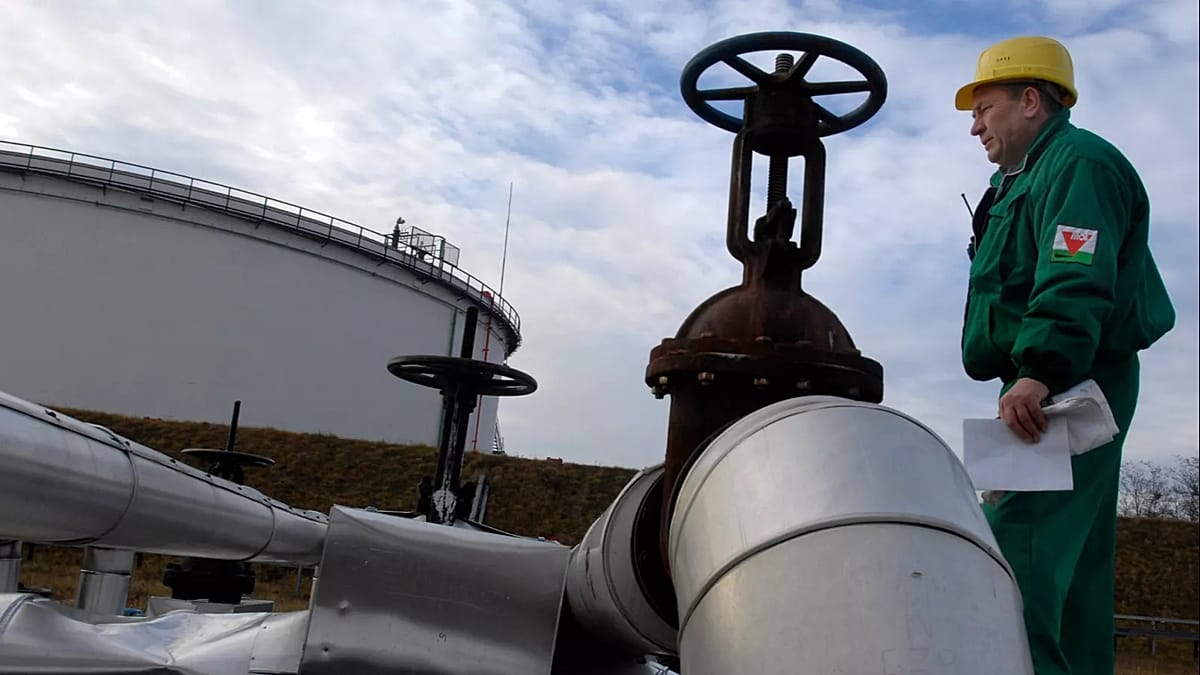
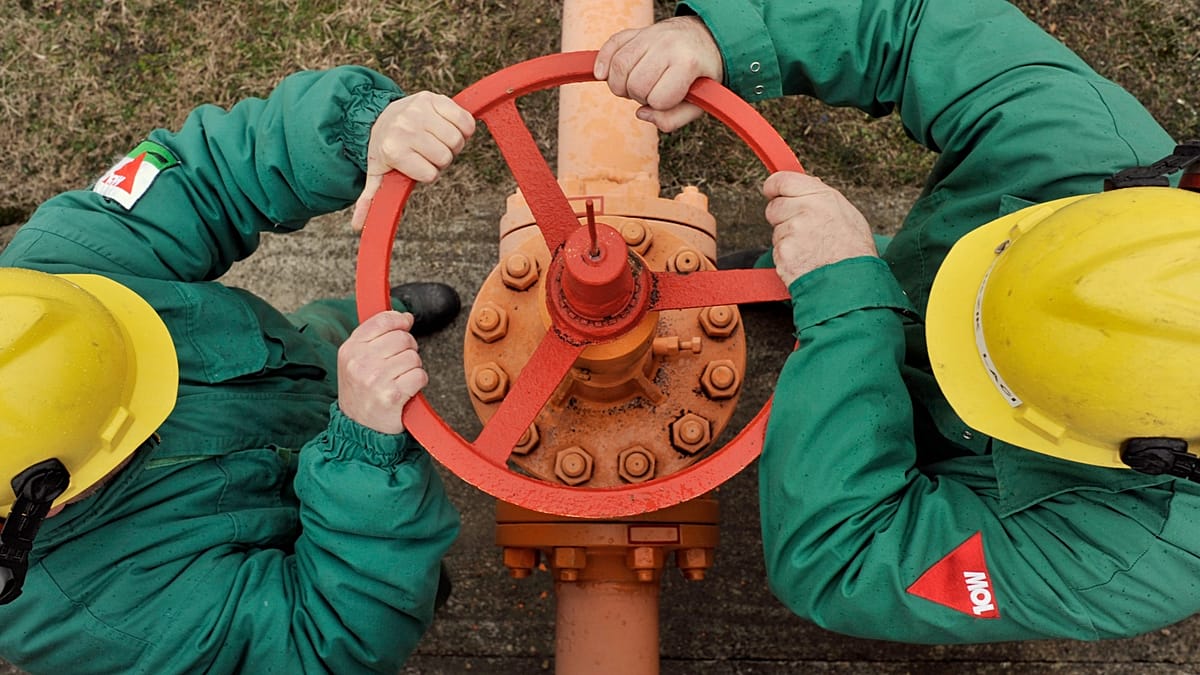
The European Commission has called an extraordinary meeting of its Oil Coordination Group to address a growing dispute between Hungary, Slovakia, and Ukraine over the Druzhba oil pipeline.
ADVERTISEMENT

ADVERTISEMENT
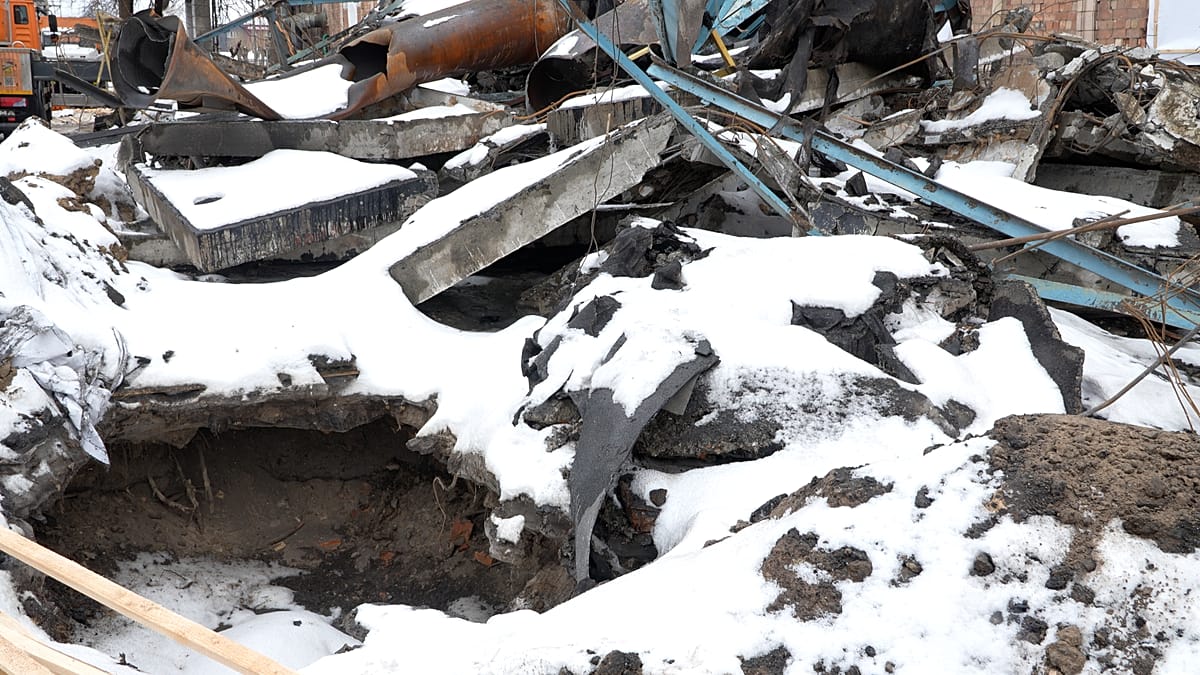
On Wednesday, Hungary and Slovakia halted diesel supplies to Ukraine after a Russian attack on the pipeline in Ukrainian territory knocked it out of service. Budapest and Bratislava, who both rely heavily on Russian crude oil transported through the pipeline, have accused Kyiv of deliberately delaying repairs for political reasons.
The Commission announced on Thursday that the emergency meeting would take place the following Wednesday, with the participation of Hungary, Slovakia, and Croatia.
“We have called an ad hoc Oil Coordination Group meeting to discuss the impact of the supply disruption and possible alternatives to fuel supply,” Commission spokesperson Anna-Kaisa Itkonen said.
Hungary has requested that the Commission facilitate the transfer of seaborne Russian oil through Croatia’s Adriatic pipeline as an alternative route. Croatia has already rejected the request.
Commission: ‘no pressure on Ukraine’
The Commission sought to distance itself from reports that it was pressing Kyiv to expedite repairs to the pipeline.
“We are in contact with Ukrainian authorities on the timeline of repairing this pipeline. It is very, very important that this is not misinterpreted to mean that we would be exerting any kind of pressure on Ukraine,” Itkonen said.
The Commission said both Hungary and Slovakia hold sufficient oil reserves and that their security of supply was not at immediate risk. However, it expressed concern about Ukraine’s broader energy situation.
“We are concerned with the security of supply of Ukraine, finding itself in an extremely difficult situation during a harsh winter,” said chief Commission spokesperson Paula Pinho.
Hungary and Slovakia have warned they could extend their measures to electricity and gas supplies if the pipeline is not repaired.
Ukraine is already experiencing severe blackouts and heating failures as a result of sustained Russian attacks on its energy infrastructure.
Kyiv has repeatedly called on both countries to abandon Russian fuels, but Budapest and Bratislava have resisted, citing the high cost of switching to alternative supply routes.
On Wednesday, Ukraine’s foreign ministry spokesperson accused both governments of prolonging their dependence on Russian energy.
“We see that they are trying to stay on this needle as long as possible. It’s like drug addiction,” spokesperson Heorhii Tykhyi said.
In January 2026, the European Union adopted legislation requiring all member states to phase out Russian fossil fuels by 2027. Hungary and Slovakia have both filed legal challenges against the law.