



Published on
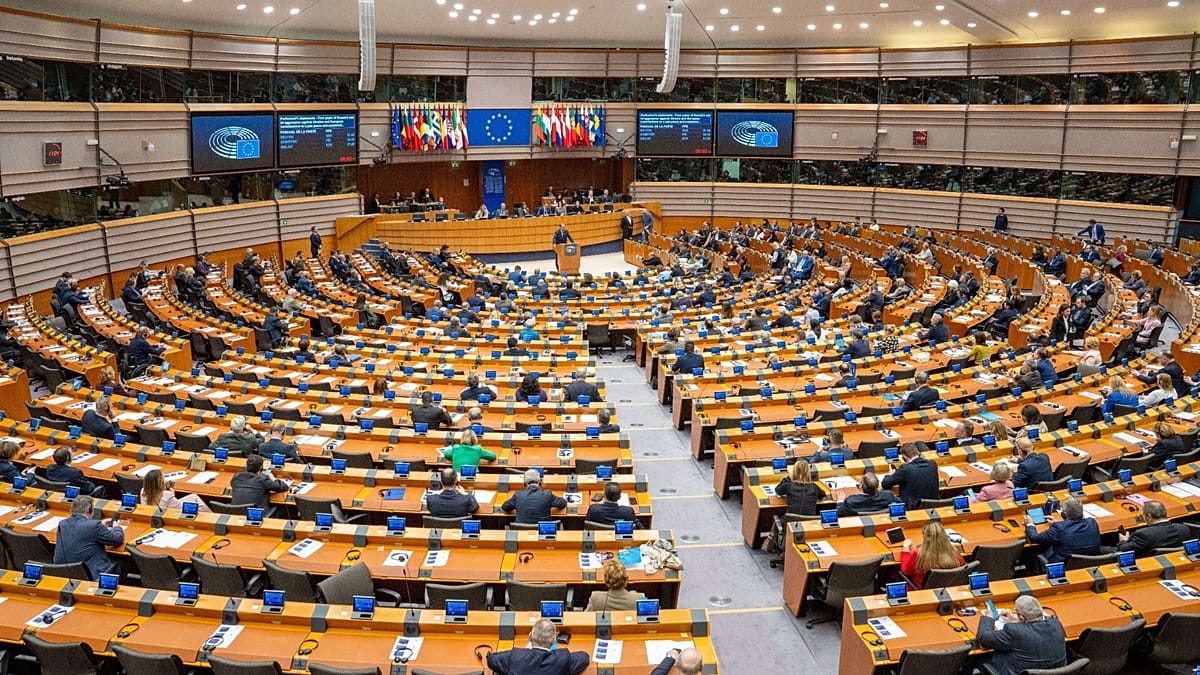
MEPs from the Committee on Budgets on Wednesday adopted their position on the long-term EU budget, calling for a 10% increase and for the repayment of Next Generation EU — the joint debt approved in 2020 to address the economic impact of COVID-19 — to be kept outside the EU budget.
ADVERTISEMENT


ADVERTISEMENT
The proposed 10% increase would be evenly distributed across the budget’s three main political priorities: national plans, competitiveness funds and Horizon as well as Global Europe.
The Competitiveness Fund will support actions to strengthen Europe’s position in the global economy. Horizon funds will focus on innovation, education and research, while Global Europe will cover EU action outside the bloc, including security, funding for projects in third countries, and humanitarian aid.
The Parliament also proposed placing the repayment of Next Generation EU debt outside the budget ceilings, marking a key difference with the European Commission, which has proposed keeping the repayments within the budget.
“Next Generation EU debt must be repaid above the budget ceilings, not at the expense of farmers, SMEs, researchers or Erasmus students,” centre-right co-rapporteur Siegfried Mureşan said in a press conference on Tuesday.
The creation of national plans to distribute the EU budget is the main novelty in the European Commission’s proposal, which the European Parliament does not support.
“The Commission’s one plan per member state approach could undermine EU policies, reduce transparency, and create competition between beneficiaries”, the MEPs warn in a press release published after the vote.
The European Parliament’s proposal does not introduce a fundamental restructuring of the budget’s architecture, but warns against several risks, including problems connected to enhanced flexibility.
The European Commission proposed expanding programmes to cover a broader range of areas in order to facilitate the reallocation of spending, but Parliament warned this could reduce transparency and clarity for beneficiaries. It also called for a stronger role in overseeing budget monitoring.
The EU’s long-term budget must be approved by both the European Parliament and the 27 member states.
The Parliament’s plenary vote is scheduled for April 29.
EU countries have yet to adopt their position before negotiations with Parliament can begin. The co-legislators aim to reach agreement by December.