


Romanian politician and European Commission Vice-President Roxana Mînzatu has said she is “absolutely counting on the pro-European stance of every member state”, despite signs of a possible eurosceptic shift in parts of eastern Europe.
ADVERTISEMENT


ADVERTISEMENT
In Bulgaria, Moscow-friendly President Rumen Radev is in the process of forming a government following an electoral win earlier this month.
Meanwhile in Romania, Mînzatu’s Social Democratic Party (PSD) is working with the far-right AUR party in a bid to topple the centrist government.
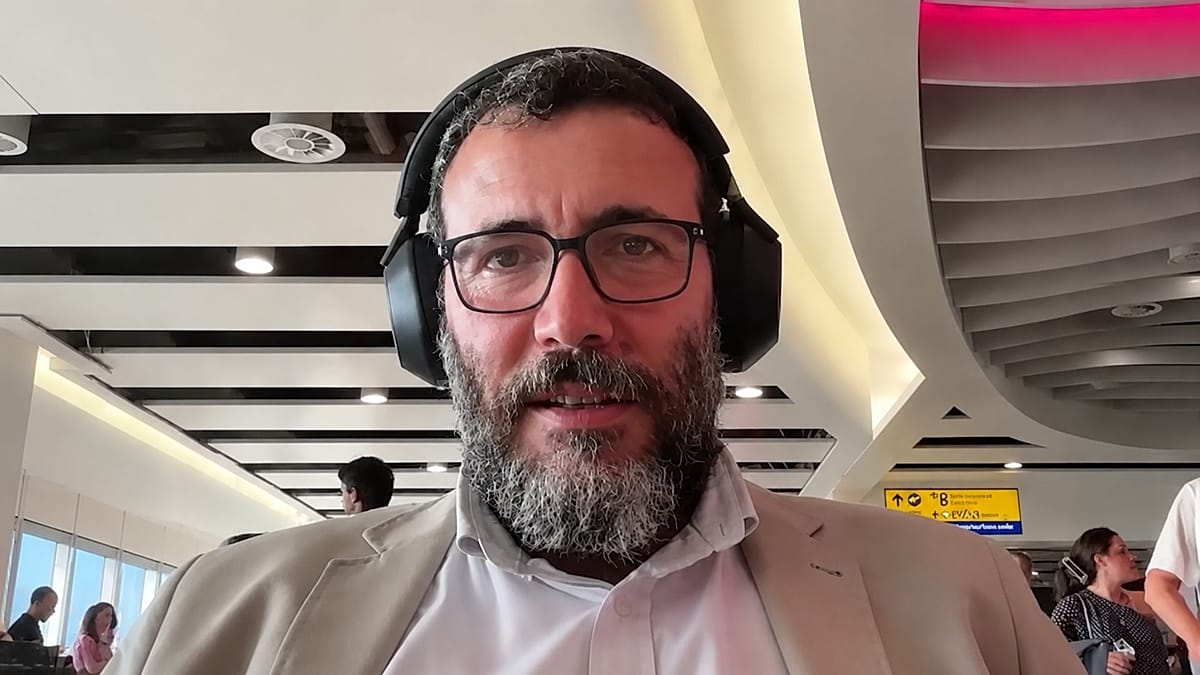
“I am absolutely counting on the pro-European stance of every member state,” Mînzatu told Euronews’ flagship morning programme Europe Today.
“The country I know best is one where people are very attached to the European project… so I’m counting on that to remain the main driver of democracy, as it has always been.”
“Democracy is the strongest asset of the European Union,” she added, stressing that elections are “part of this process” and “part of the game”.
Romania’s former ruling Socialist PSD has joined forces with the far-right AUR party, led by George Simion, to file a no-confidence motion against the centrist coalition government led by Prime Minister Ilie Bolojan.
The move is unusual for a left-leaning European party, which has traditionally criticised cooperation between mainstream parties and Eurosceptic forces on the political fringes.
The motion has secured the necessary support and is set to be voted on in the Romanian Parliament next week.
It has drawn criticism from several EU politicians, including Romanian MEP Siegfried Mureșan, Vice-President of the European Parliament, who said the alliance “confirms what many already know: the Romanian Socialists’ pro-European label is declarative, not real”.
Mînzatu argued that strong public support for the EU in countries such as Romania and Bulgaria means governments remain “driven by the pro-European position of their own peoples”.
EU anti-poverty strategy
Mînzatu is also set to unveil the EU’s first anti-poverty strategy next week, targeting the 93 million Europeans at risk of poverty and social exclusion. Many are “living from salary to salary” and face in-work poverty, she said.
“It’s important that we present the right tools to support people throughout their lives,” Mînzatu said, adding that the strategy will focus on prevention.
The plan includes measures to tackle child poverty through a “reinforced child guarantee”, aimed at ensuring children are not affected by their families’ vulnerabilities. It will also address education, healthcare and support services.
Funding will rely partly on private investment and contributions from member states, alongside EU instruments such as the European Social Fund.
According to Mînzatu, €100 billion from the Commission’s proposal for the next long-term EU budget would be allocated to poverty prevention.