
NEWYou can now listen to Fox News articles!
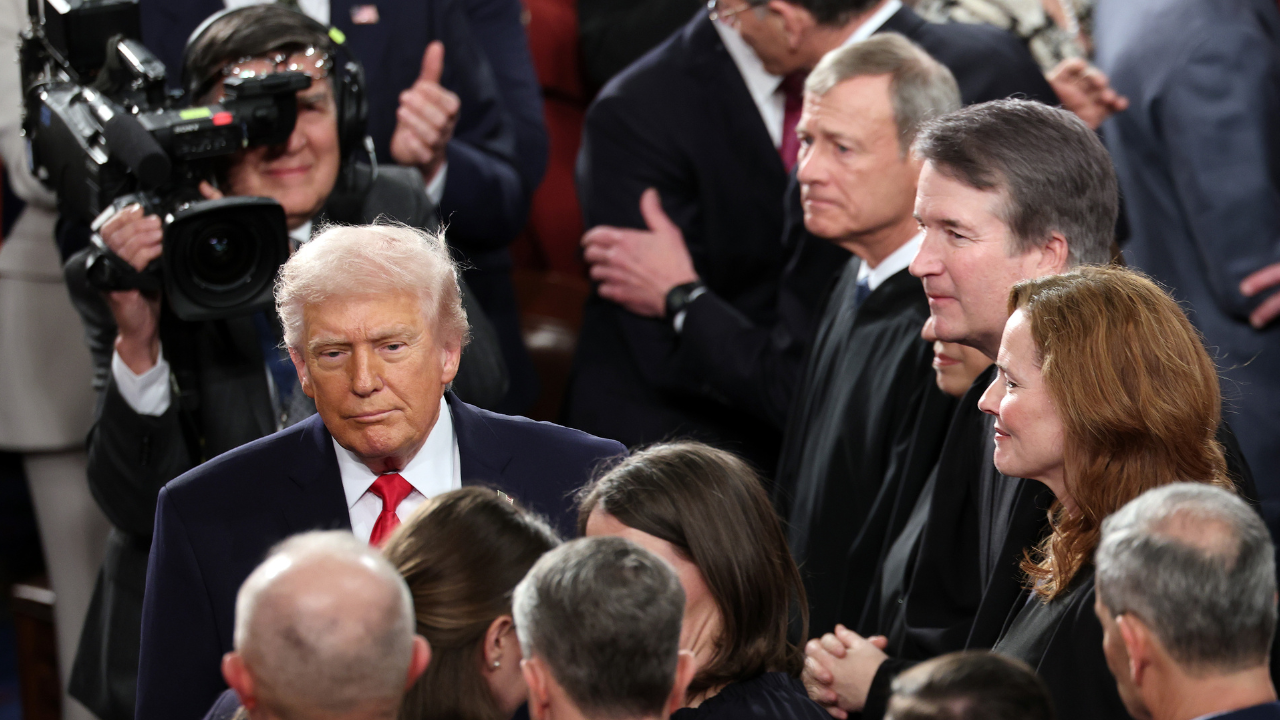
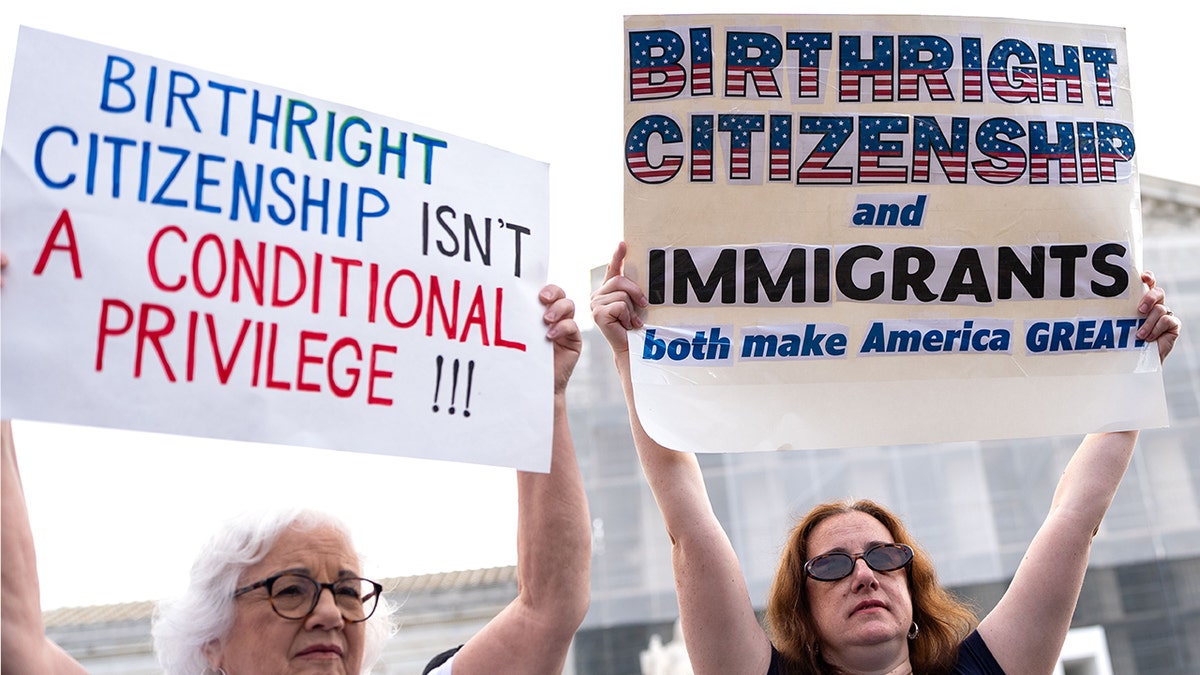
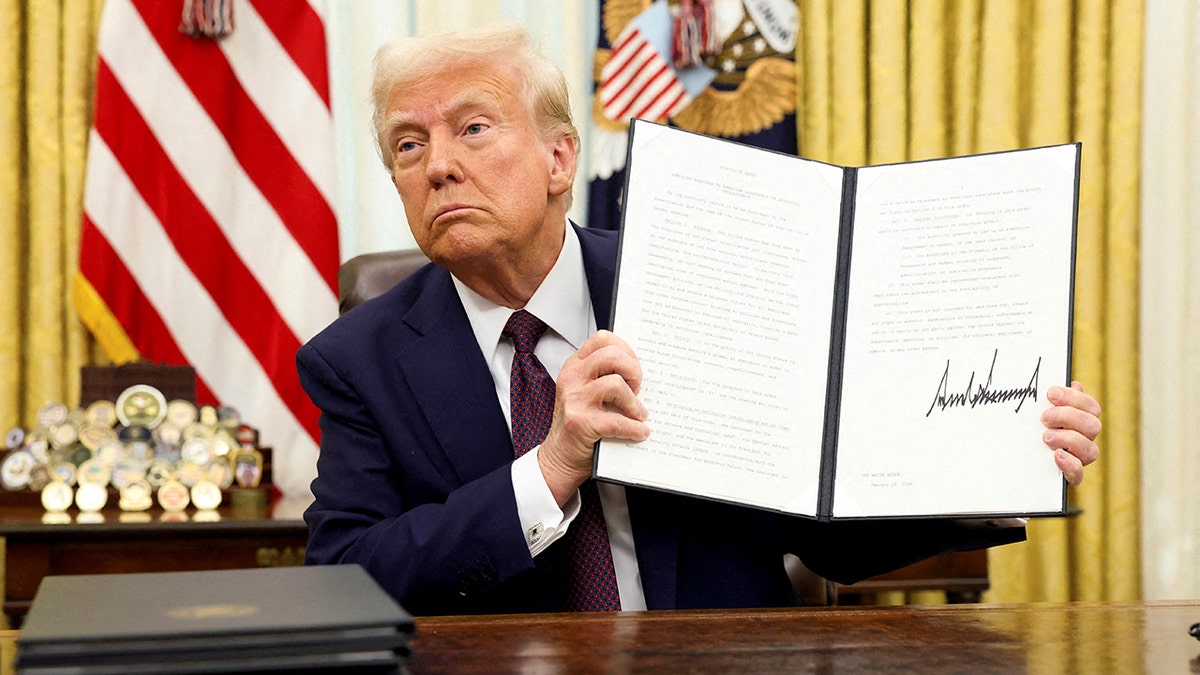
President Donald Trump’s executive order ending birthright citizenship for the children of illegal immigrants appears to be in jeopardy following Supreme Court oral arguments on Wednesday.
Supreme Court justices pursued what Amy Swearer, a senior legal fellow at Advancing American Freedom, described as a “disappointing” line of questioning. Liberal and conservative Supreme Court justices appeared skeptical of Trump’s order, which the president has argued is necessary to end a “magnet” for illegal immigration and “birth tourism,” in which foreign nationals travel to the U.S. to give birth so their child gains citizenship.
Lawyers for the Trump administration argued that the 14th Amendment’s stipulation that individuals must be subject to U.S. jurisdiction to be American citizens means children of illegal immigrants are excluded from automatic citizenship. The administration pointed to “striking” numbers of illegal immigrants abusing current law through a type of birth tourism. Meanwhile, opposing lawyers from the American Civil Liberties Union argued that Supreme Court precedent, particularly the Wong Kim Ark case, supports a broader interpretation that all those born on U.S. soil are automatic citizens.
In an interview with Fox News Digital, Swearer said that while the oral arguments went “a little bit better than anticipated” for the administration in some regards, the day was a mixed bag for the government.
SAUER CITES ‘STRIKING’ FIGURES ON SECRETIVE BIRTH TOURISM IN HIGH-STAKES SCOTUS CASE
“Most people understood coming into this, and I suspect even the government understood coming into this, that this was probably going to be a bit of an uphill battle,” Swearer said.
She said conservative and liberal justices seemed hesitant about how the government would apply Trump’s order.
Swearer said, “We did see a lot of those types of questions,” adding, “I’m not sure are actually that important to the overall doctrinal questions of, ‘What does the 14th Amendment citizenship clause actually mean?’”
Meanwhile, she said it was “a bit disappointing” not to see more pushback from the justices on the ACLU’s broad interpretation of the 14th Amendment.
While there was much discussion of the Wong Kim Ark case, which revolved around the citizenship of a child of legal Chinese immigrants, Swearer said she “was disappointed” not to see discussion of other legal precedent she believes is crucial.
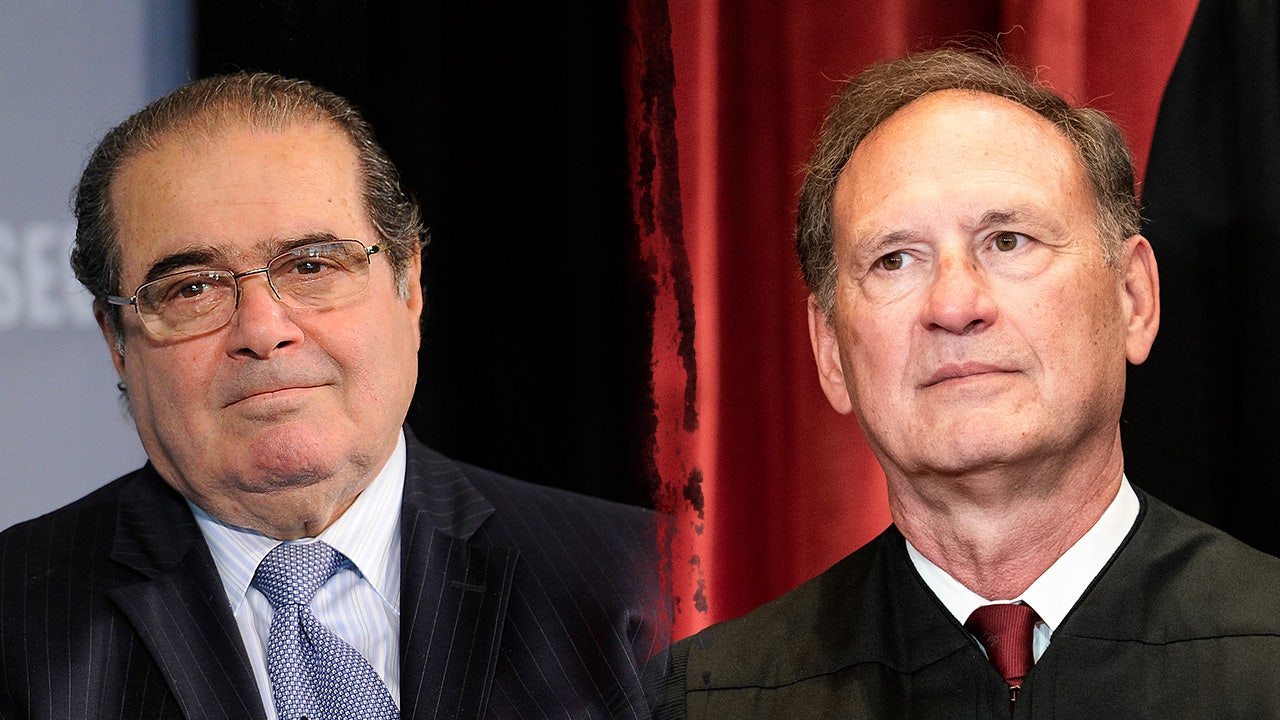
ALITO INVOKES SCALIA ANALOGY IN BIRTHRIGHT CITIZENSHIP FIGHT OVER ILLEGAL IMMIGRATION
“The ACLU’s argument is essentially no one up until Donald Trump ever thought that this was a viable way of framing birthright citizenship. And the reality is when you look at decisions by other presidents during the 19th century, you actually did have executive branch decisions saying, ‘No, we’re not going to issue passports to this person, even though they were born in the United States because they weren’t born subject to our jurisdiction, because their parents weren’t lawfully or permanently present in the United States.’ And I think that’s important,” she said.
“I think that was one of the missed opportunities to really push back on the ACLU’s position, and it just didn’t come up in the same way that Wong Kim Ark did,” she added.
What does this mean for the future of Trump’s order? Swearer said that while the three liberal justices’ stances are obvious, she admitted “it’s hard to know what to make of” the six other justices’ lack of questioning on what she believes are the more “foundational questions about the history and tradition” of the citizenship issue.
Despite this, Swearer said, “I do think there’s a path forward” for a Trump victory, though it would likely be narrow and partial.
INSIDE SUPREME COURT: HOW TRUMP HEARD BIRTHRIGHT CITIZENSHIP ARGUMENTS
“I would not quantify it, but I wouldn’t be shocked to see some sort of plurality of opinions splitting the baby somewhere,” she said.
CLICK HERE TO DOWNLOAD THE FOX NEWS APP
Swearer speculated that possible routes the court could take include differentiating between illegal immigrants and temporary visa holders, delivering a partial victory for the administration, or deciding the question based on existing statute rather than attempting to interpret the language of the 14th Amendment, which would cut against Trump’s order.
“Maybe they split the baby that way,” she said, adding, “I think at the end of the day, there are just so many options for what this could look like.”