

Federal Reserve policymakers are expected to hold interest rates steady when they conclude their first meeting of the new year on Wednesday, as central bank officials look to navigate stubborn inflation and a softening labor market.
The central bank’s monetary policy panel, the Federal Open Market Committee (FOMC), is expected to leave the Fed’s benchmark federal funds rate target unchanged at a range of 3.5% to 3.75%. It would be the first time the central bank left interest rates unchanged since last summer after it cut 25 basis points at each of its final three meetings in 2025.
According to the minutes of the last Fed meeting, policymakers were deeply divided over whether to cut rates, with proponents of lower interest rates arguing they would “help stabilize the labor market.”
However, other policymakers were concerned that “progress towards the committee’s 2% inflation objective had stalled,” and some who voted in favor of the December rate cut “suggested that, under their economic outlooks, it would likely be appropriate to keep the target rate unchanged for some time after a lowering of the range at this meeting.”
FURTHER RATE CUTS IN QUESTION AS FED POLICYMAKERS DEEPLY DIVIDED OVER DECEMBER CUT, MINUTES SHOW
The market overwhelmingly expects the Fed to leave rates unchanged at their January meeting, with the CME FedWatch tool showing a 97.2% probability of rates remaining steady – an increase from 94.5% a week ago and 82.3% last month.
Both aspects of the Federal Reserve’s dual mandate to promote stable prices in line with a long-run 2% inflation target and maximum employment have been under pressure in recent months, as the economy grapples with uncertainty from shifting trade and immigration policies.
TRUMP CALLS FOR ‘JERK’ POWELL TO LOWER INTEREST RATES AFTER LATEST INFLATION DATA
The Fed’s preferred inflation gauge, the personal consumption expenditures (PCE) index, rose slightly off the 2025 low of 2.2% reached in April and was at 2.8% in November, the most recent month for which data is available.
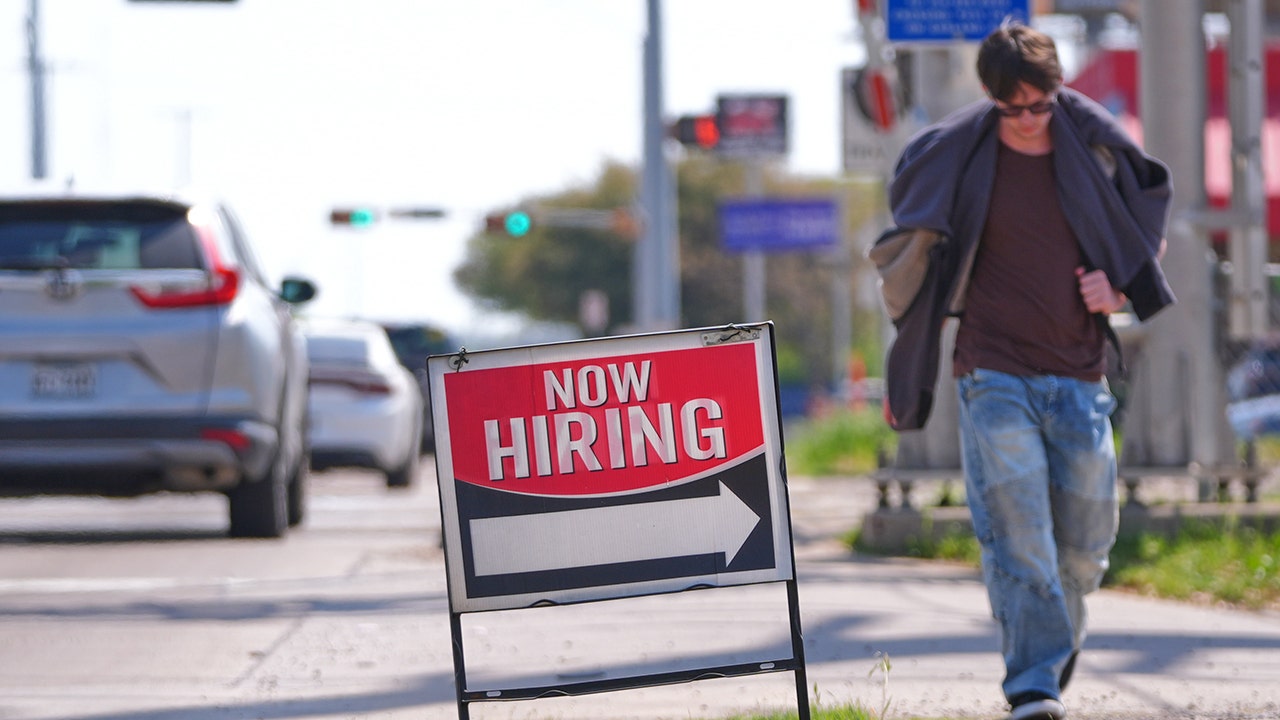
The unemployment rate declined from 4.5% in November to 4.4% in December – though it trended higher over the course of last year from the 2025 low of 4% it reached at the outset of the year.
The Fed has cut 175 basis points since the current rate-cutting cycle began in September 2024 with a 50 basis point cut to 4.75% to 4% from a cyclical high of 5.25% to 5.5%. Policymakers aggressively hiked interest rates in 2022 and 2023 to address a surge in inflation, as the consumer price index (CPI) hit a 40-year high of 9.1% in June 2022 and has gradually subsided since.
GLOBAL CENTRAL BANK LEADERS BACK FED CHAIR POWELL AMID FEDERAL INVESTIGATION
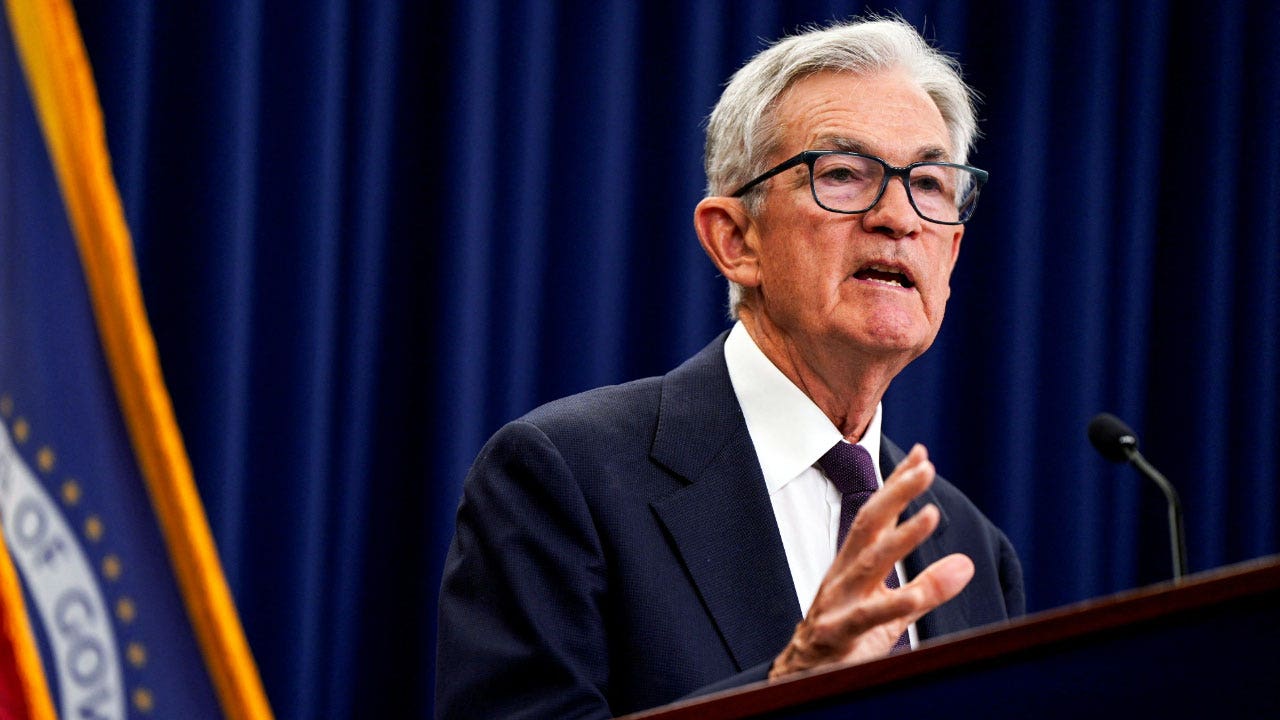
With interest rates closer to neutral and an absence of signs that the labor market will weaken more dramatically or that inflation will re-accelerate, market watchers will be on the lookout for signs of a signal from Fed Chair Jerome Powell about the path for potential rate cuts later this year.
“We anticipate 50 basis points of easing through 2026, as labor-market fundamentals gradually soften and PCE inflation hovers just below 3% in the first of the year before easing toward 2.5% by year-end,” said EY-Parthenon chief economist Gregory Daco. “In this context, the first 2026 rate cut is unlikely to occur before June.”
Principal Asset Management chief global strategist Seema Shah said that “inflation sticky but not accelerating, the labor market cooling without collapsing, and fiscal stimulus set to support growth in early 2026, policy rates likely need to return to normal – but not below.”
Shah added that she expects two cuts in 2026 to take rates just below the midpoint of the neutral range, adding that the “timing will remain data-dependent, but a continued rise in unemployment could prompt these cuts to be brought forward into the first half of the year.”