

High schools around the country are experimenting with new ways to teach students about personal finance, as educators look to boost students’ knowledge about finance and investing.
Financial literacy is a growing focus of policymakers as nearly 30 states have implemented laws or regulations that mandate high school students complete a personal finance course during their studies.
An analysis by the Center for Financial Literacy at Champlain College found that by 2031, 29 states and the District of Columbia will have a requirement for a personal finance course as part of a graduation requirement by 2031.
At that time, 73% of public high school students, or about 11.3 million students, would be subject to a “grade A” personal financial education requirement, which the group defines as a one-semester, half-year course with at least 60 hours of personal finance instruction per academic year.
HERE’S WHEN TAXPAYERS WILL GET THEIR REFUNDS
That figure is up from 11% in 2023, when just 1.7 million public high school students were subject to such a requirement. In 2025, more than 2.3 million students are covered by a financial literacy requirement, or about 15% of the nation’s public school students.
As these requirements take effect, educators are testing ways to give students real experience with finances to learn how saving and investing works.
A report by The Wall Street Journal detailed how at the all-girls Ethel Walker School in Connecticut, students take a personal finance class their sophomore year in which they tell the school how to invest about $1,000 of the school’s roughly $44 million endowment.
MIDDLE-INCOME AMERICANS STRUGGLING TO KEEP UP AS LIVING COSTS WEIGH ON PAYCHECKS, SURVEY SAYS
The students then track the stock, bond, mutual fund or exchange-traded fund (ETF) that they chose until graduation – although they’re allowed to switch investments if they lose money after a year, the Journal reported.


According to the report, the school has netted positive returns since the project began and the investments by 2025 graduates tied the overall market’s 28.3% growth from October 2023 to May 2025. Gains are returned to the school’s endowment, while students whose investments perform the best receive a modest prize.
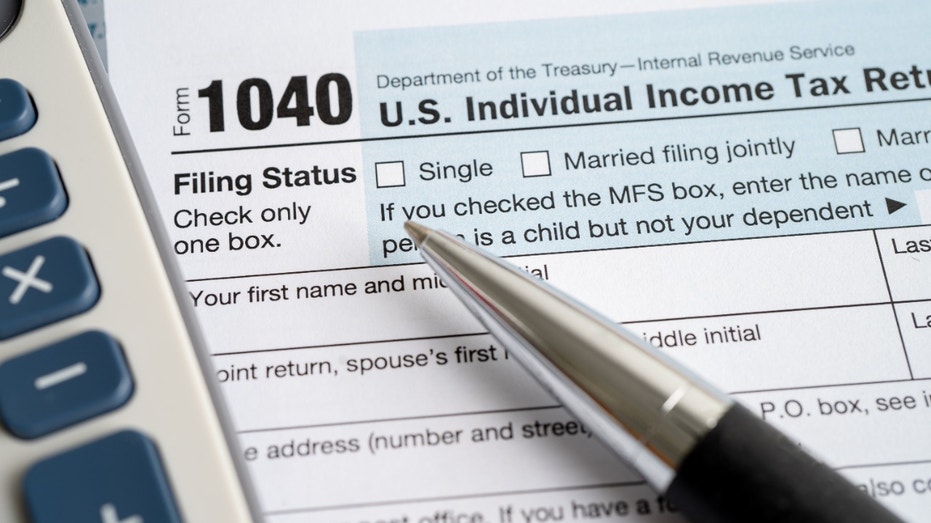
The Journal reported that the school’s personal finance curriculum also deals with taxes and requires students to pass the IRS’ basic tax-preparer exam by their junior year, a designation that allows them to assist low- and moderate-income families through the IRS’ Volunteer Income Tax Assistance program.
HERE’S HOW MUCH TRUMP ACCOUNT BALANCES COULD GROW OVER TIME
Another school profiled in the Journal’s report, the Da Vinci Communications public charter school in El Segundo, California, requires students to take personal finance courses through their senior year covering topics such as saving tactics, health insurance coverage and risks with auto loans.
The course also teaches students about the power of long-term savings, with students encouraged to open a Roth IRA once they turn 18 to save income earned from jobs in high school rather than waiting until their careers begin in earnest, the Journal reported.