


Hungarians began voting on Sunday in what is seen as the country’s most consequential election in decades, closely watched across Europe, the US and Russia as the ramifications for the European Union to Vladimir Putin are many.
ADVERTISEMENT


ADVERTISEMENT
After a campaign marked by personal attacks, harassment and isolated incidents of violence, polling stations opened at 6am in what many analysts describe as a referendum on 16 years uninterrupted rule of Prime Minister Viktor Orbán.
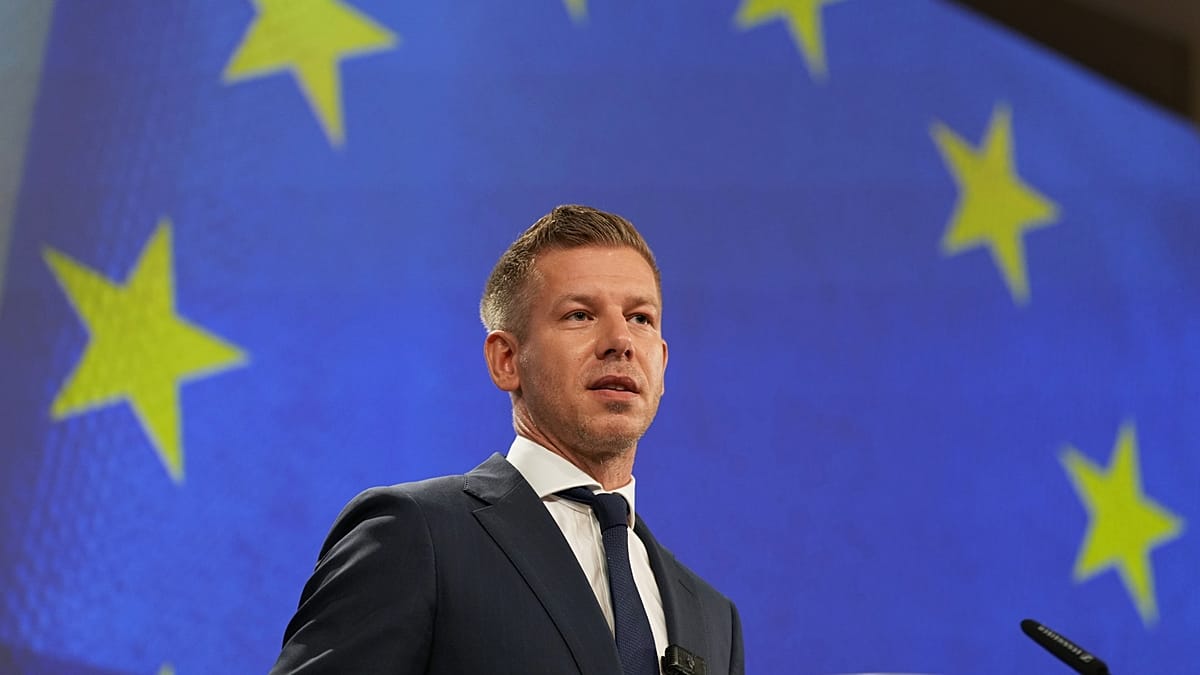
Orbán, who has governed with a parliamentary supermajority since 2010, faces the most significant challenge of his political career under former ally Péter Magyar.
“Orbán has consistently won by large margins, largely due to a fragmented opposition,” political analyst Szabolcs Dull told Euronews ahead of the vote. “This is the first election with genuine stakes, as he now faces a single challenger who, according to polling, is capable of winning.”
Recent surveys suggested a strong lead for Tisza in a historic shift.
Research published this week by Hungarian pollster Medián projected a potential two-thirds parliamentary majority for the opposition. However, a source within Orbán’s Fidesz party told Euronews, on condition of anonymity, that the governing camp remains confident, arguing its core voters are underrepresented in polls.
The insider versus the illiberal leader
Orbán is one of the most experienced figures in Hungary’s modern political history.
He co-founded Fidesz during the collapse of communism and rose to prominence in 1989 after calling for the withdrawal of Soviet troops.
Since returning to power in 2010, he has reshaped Hungary’s constitution, institutions and media landscape.
On the European stage, Orbán has emerged as a leading figure of the hard-right, known for his stance on zero migration and frequent clashes with EU institutions.
Magyar broke with the government in 2024 following a scandal linked to the pardon of a convict in a child sexual abuse case. He founded the Tisza Party the same year, securing 30% of the vote in the European Parliament elections that same year.
His campaign has focused on grassroots outreach, particularly in smaller towns and rural areas, where support for his movement has steadily grown.
“He is promising both a change of government and a renewal of the opposition,” Dull said. “His advantage is that he is the only credible challenger, consolidating support that was previously divided.”
Hungary as a global ideological battleground
The vote is being closely followed in Brussels and other European capitals. Orbán’s government has long been at odds with the European Union, frequently using its veto powers.
In March, Hungary blocked a €90 billion EU loan package for Ukraine amid a dispute over the Druzhba pipeline, drawing criticism from several member states. Orbán has also maintained close ties with Russian President Vladimir Putin.
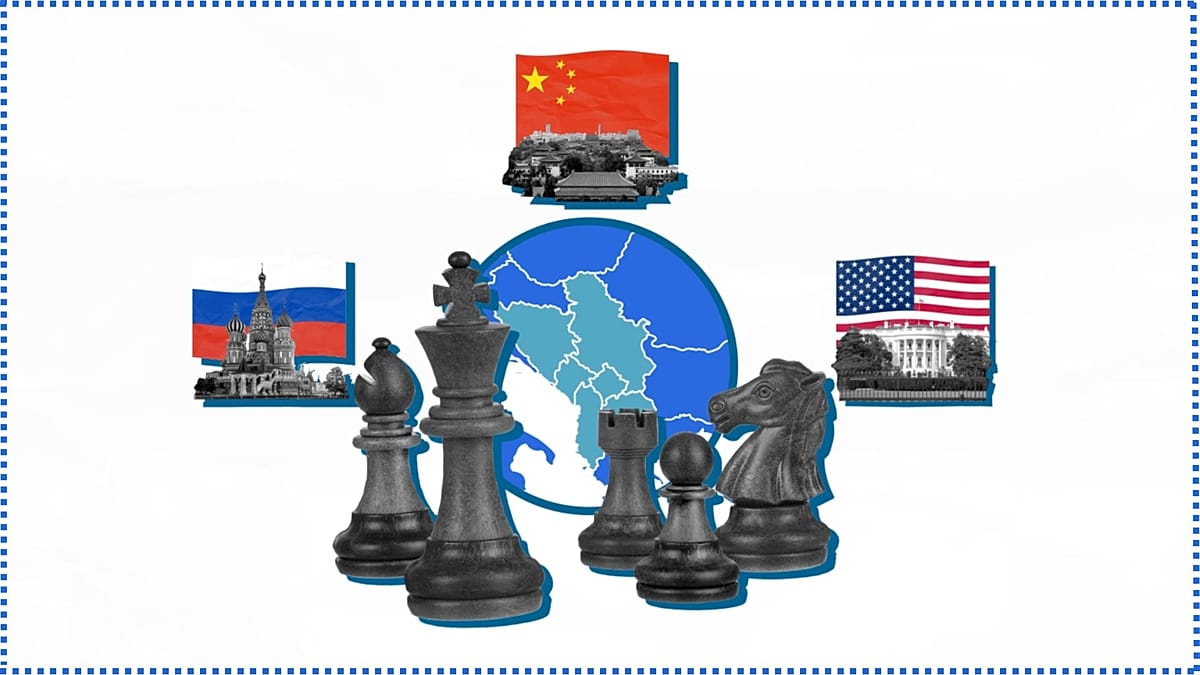
Beyond the EU, Hungary has become a focal point in a broader ideological contest between nationalist and liberal democratic forces.
“Orbán promotes what he describes as ‘patriotic politics’, positioning it in opposition to liberal democracy,” Dull said. “If he is defeated, it could represent a symbolic setback for similar movements internationally.”
Orbán has received backing from several prominent figures on the international right, including former US President Donald Trump. US Vice President JD Vance travelled to Budapest during the campaign, alongside appearances by France’s Marine Le Pen and Italy’s Matteo Salvini.
Magyar, meanwhile, is aligned with the European conservative mainstream sphere, even if he is not a pro-European leader in the liberal sense of the term. Tisza Party sits within the European People’s Party, the centre-right group in the European Parliament, and he has pledged to restore Hungary’s relations with the EU and NATO.
While no foreign leaders publicly endorsed him, he has received support from senior EPP figures, including Polish Prime Minister Donald Tusk and German Chancellor Friedrich Merz.
A nasty campaign from Russian leaks to a sex tape
The campaign has been dominated by sharply contrasting narratives.
The opposition has focused on domestic concerns such as public services, the cost of living and corruption.
Orbán’s campaign, by contrast, has centred on foreign policy, particularly Ukraine.
He has warned that Ukrainian EU membership would pose economic and security risks and accused the opposition of being aligned with “dark forces” looking to prolong the war. He has also accused Magyar of being a Brussels puppet leader.
Magyar has rejected those claims.
“The framing from both sides is stark,” Dull said. “Orbán presents the choice as one between war and peace, while Magyar argues the election is ultimately about whether Orbán remains in power.”
The campaign has also been marked by allegations of intimidation, limited violence and claims of foreign interference.
In February, Magyar alleged that individuals linked to the government attempted to compromise him using a so-called honey trap. No video evidence has been made public.
Shortly afterwards, leaked recordings appeared to show Hungary’s foreign minister in discussions with his Russian counterpart about potential lobbying within the EU.
Analysts say multiple intelligence services may be seeking to influence the campaign through the release of damaging material.
How the vote works
Polling stations opened at 06:00 and are due to close at 19:00. Hungary operates a single-round electoral system, with the party or coalition securing the most seats invited to form a government.
Of the 199 parliamentary seats, 106 are elected in individual constituencies, while the remaining 93 are allocated through party lists. Hungarian citizens living abroad are also eligible to vote.
Preliminary results are expected later in the evening, with official results anticipated around midnight.