There is a moment many business owners reach quietly.
They realise the business is no longer just challenging, it is draining them.
Not occasionally. Constantly.
Energy disappears faster than it returns. Motivation feels forced. Even small problems feel heavy. The owner keeps going, but the cost becomes harder to ignore.
This is not laziness. It is not loss of ambition. It is a signal.
And signals are meant to be acted on.
Why Drain Is Different From Difficulty
Every business has difficult periods. Difficulty comes with growth, uncertainty, and change.
Drain is different.
Drain is when effort no longer produces progress.
Drain is when stress becomes permanent rather than seasonal.
Drain is when rest no longer restores energy.
Many owners confuse drain with resilience. They tell themselves this is simply what business ownership feels like.
It is not.
Sustained drain is a sign that the current game is no longer winnable in its current form.
How Owners Normalize the Wrong Things
One of the most dangerous things owners do is normalise exhaustion.
They accept:
Constant cash anxiety
Interrupted sleep
Mental load that never switches off
Personal relationships deteriorating
A shrinking sense of possibility
Because it happens gradually, they adapt. What once felt unacceptable becomes routine.
This adaptation hides the need for change.
The Trap of Incremental Fixes
When a business drains its owner, most responses are incremental.
Work a bit harder.
Cut one more cost.
Push one more quarter.
Delay personal needs.
These moves keep the business alive, but they rarely make it healthy.
Incremental fixes treat symptoms, not structure.
Eventually, the owner becomes the shock absorber for every unresolved issue. That is not leadership, it is survival.
Why Changing the Game Matters
Changing the game does not always mean exiting immediately.
It means questioning assumptions that no longer serve you.
Questions such as:
Does this business still fit my life?
Is my role sustainable?
Am I staying out of habit or intention?
What would happen if someone else ran this?
What options am I avoiding?
These questions are uncomfortable, but they are necessary.
The moment you allow yourself to ask them honestly, the dynamic changes.
The Cost of Staying the Same
Many owners underestimate the cost of staying.
They focus on the financial risk of change, while ignoring the personal and commercial risk of inertia.
Staying too long often results in:
Reduced business value
Lower negotiating leverage
Fewer exit options
Higher stress-related mistakes
The irony is that staying often feels safer than change, until it becomes the most dangerous choice of all.
Where Objective Financial Insight Helps
Changing the game requires clarity, not courage.
Clarity comes from understanding the true state of the business, not how it feels on a bad day, but what the numbers actually say.
This is where experienced financial leadership is critical.
A seasoned fractional CFO can separate noise from signal. They can identify what is fixable, what is structural, and what is no longer worth carrying.
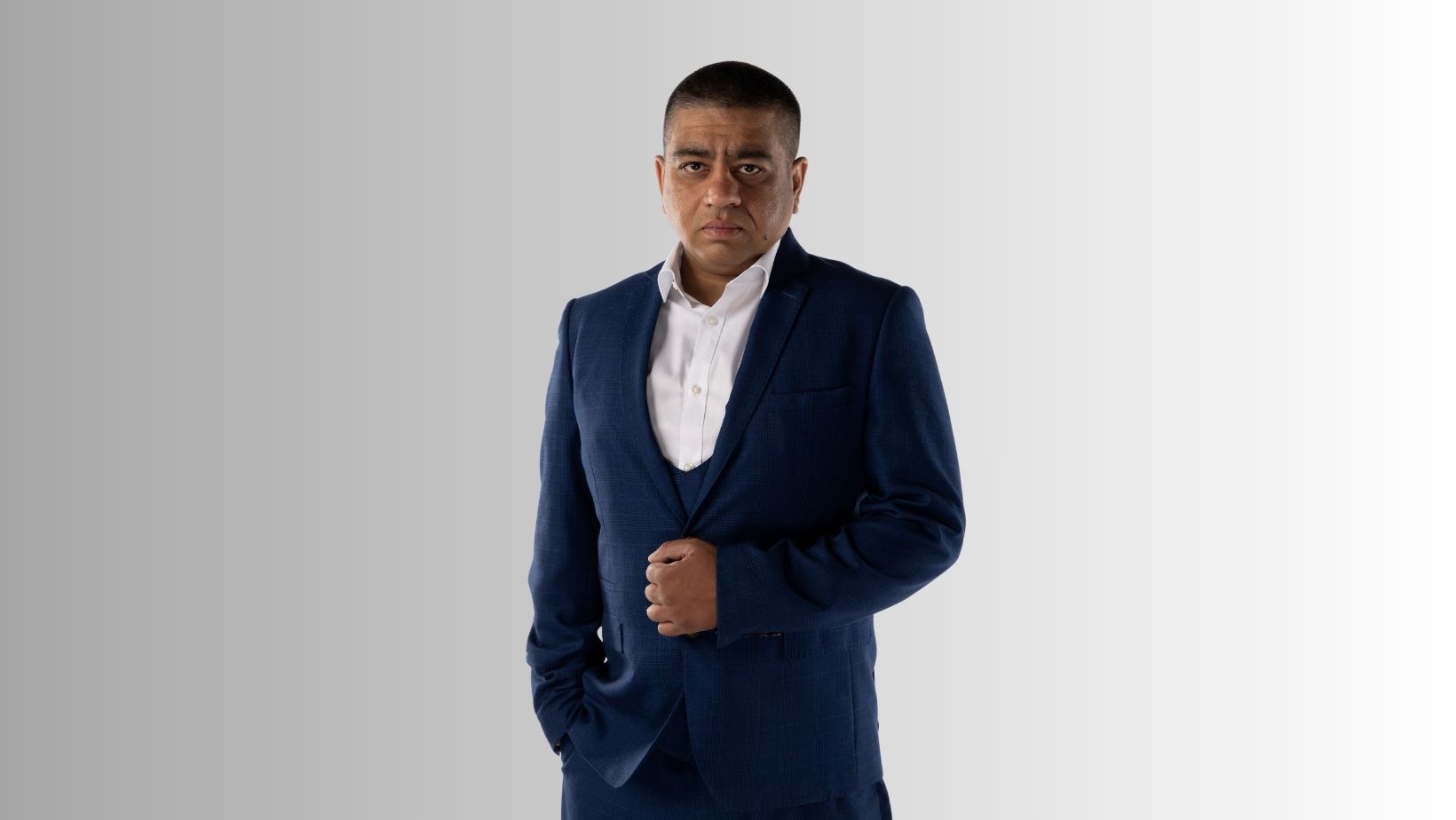
As Imran Hussain Fractional CFO, this work has involved supporting struggling SMEs since 2001, advising turnarounds since 2016, and more recently investing in and acquiring distressed businesses across the UK, USA, and Europe.
That perspective allows for honest conversations without judgement.
Why Buyers See Opportunity Where Owners Feel Drain
One of the most surprising moments for exhausted owners is learning that buyers may see value where they feel fatigue.
What drains the owner often attracts the buyer.
Operational inefficiencies
Founder dependency
Poor financial visibility
Untapped potential
These are solvable problems for the right buyer, especially one with capital, systems, and distance.
Understanding this shifts the conversation from despair to optionality.
Changing the Game Can Take Many Forms
Changing the game does not have one correct outcome.
It may mean:
Restructuring leadership
Reducing operational involvement
Bringing in financial discipline
Preparing the business for sale
Selling part or all of the business
Transitioning ownership gradually
What matters is that the change is intentional, not reactive.
Relief Comes From Agency, Not Answers
Owners often expect relief to come after a decision is made.
In reality, relief often arrives earlier, when agency is restored.
When they realise:
They have options
They are not trapped
They do not have to carry everything alone
This shift alone reduces drain significantly.
The Most Important Shift
The most important shift a drained owner can make is mental.
From asking, “How do I survive this?”
To asking, “What do I actually want this business to do for me now?”
That question reframes everything.
It turns endurance into choice.
Conclusion
If your business is draining you, it is not a personal failure. It is information.
Ignoring that information keeps you stuck. Acting on it opens paths you may not yet see.
Changing the game does not mean giving up. It means choosing a structure that supports you rather than consumes you.
Whether that leads to turnaround, restructuring, or exit, clarity is the starting point.
More about this work can be found at
👉 http://www.imranhussain.com
A business should create value, not quietly take it from you.
When it starts draining you, it is time to change the game.