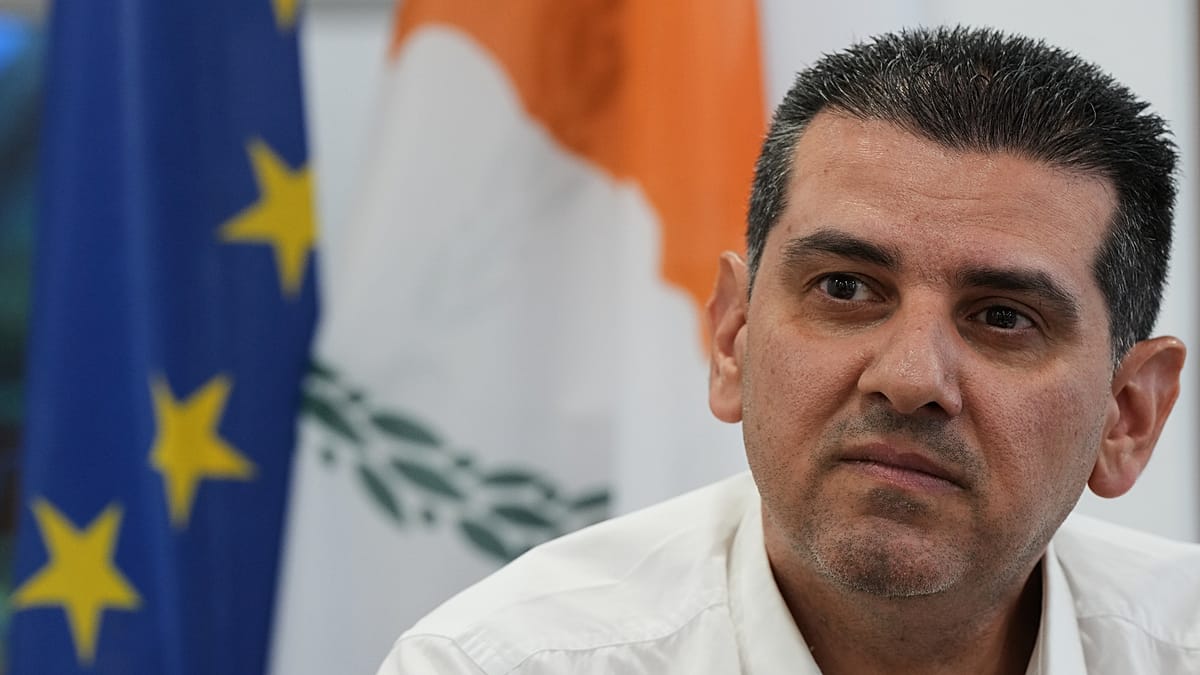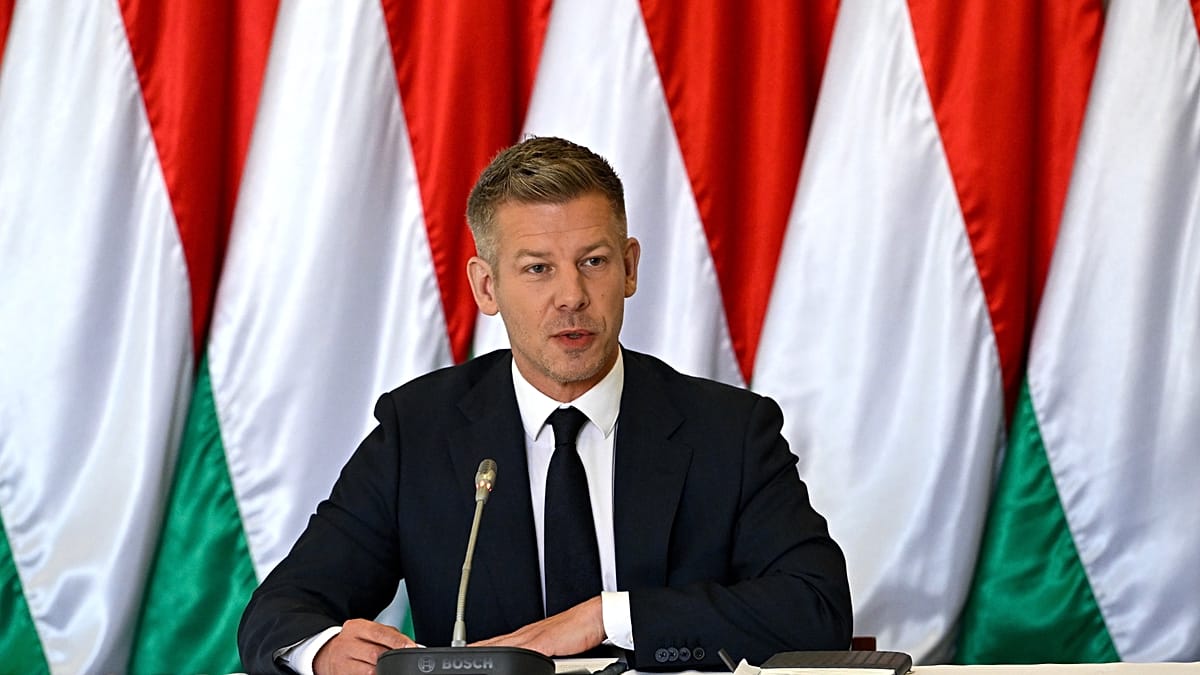
The Hungarian ambassador said at a meeting last week that Budapest is now ready to engage on Ukraine to achieve concrete results, as Péter Magyar’s new government initiates technical discussions with Kyiv on how to address the thorny issue of the Hungarian minority.
ADVERTISEMENT


ADVERTISEMENT
Under Viktor Orbán, Hungary blocked the opening of the EU accession process for Ukraine on the so-called first cluster, which covers key reforms essential to the negotiation talks, including the rule of law and financial control.
Budapest and Kyiv have long been at odds over the sizeable Hungarian minority living in Ukraine’s western region of Transcarpathia. This tension remains widespread in Hungarian society, even after Magyar’s crushing victory brought an end to Orbán’s 16-year rule.
The previous Hungarian government, led by Prime Minister Viktor Orbán, created an 11-point plan aimed at restoring rights for the Hungarian community in Ukraine. Implementing these measures is still seen by Budapest as important for opening the first key chapter in Ukraine’s EU accession process.
A first concrete sign that relations between the two countries may be improving emerged during a discussion among EU ambassadors last Wednesday, when the Hungarian diplomat said Budapest was ready to engage on the issue.
The ambassador also said that the merit-based methodology should be followed and that Hungary would pay special attention to the rights and legal framework of the Hungarian minority.
Magyar said on April 28 he wants to meet President Volodymyr Zelenskyy in early June to help “improve the situation” of ethnic Hungarians in Western Ukraine. Magyar proposed holding the meeting in Berehove, a Ukrainian town in Zakarpattia Oblast considered the centre of the local ethnic Hungarian community.
Zelenskyy met the Hungarian community on 9 April, 3 days before the Hungarian elections.
The EU has made it a key requirement for Kyiv to adopt and effectively implement an ambitious action plan on minorities, which in Ukraine include not only Hungarians, but also Romanians, Poles, and Bulgarians.
In March, the Ukrainian government announced the introduction of a national day celebrating the Romanian language, as part of a broader effort to improve relations with Bucharest. Kyiv’s step was a response since Romania already observes Ukrainian Language Day annually on November 9.
The issue of Ukraine’s enlargement might be on the agenda of the next European Council meeting, where Magyar and Zelenskyy are also expected to meet at the margins.
However, the office of Council President António Costa will only place Ukraine’s accession on the agenda if concrete progress can be announced at the time in terms of formally lifting the Hungarian veto on the opening of the accession talks, Euronews understands.
On Monday, Péter Magyar shared details on Facebook of a phone conversation with President Costa, saying Budapest had initiated technical consultations with the Ukrainian government to guarantee the linguistic, educational, and cultural rights of the Hungarian minority in Transcarpathia.
“President António Costa informed me that he had made it clear to the Ukrainian president yesterday that any further steps must be preceded by respect for the rights of the Hungarian minority living in Ukraine,” Magyar said.
Márton Hajdu, head of the Foreign Affairs Committee in Hungary’s new parliament from the Tisza Party, told Euronews that Hungary has a clear condition for moving forward: “We want legally guaranteed language, education, and cultural rights for the Hungarian minority in Transcarpathia as soon as possible.”
A source close to the Hungarian government, speaking anonymously due to the sensitivity of the matter, told Euronews that if Ukraine implements the 11-point plan — and if representatives of the Hungarian minority in Transcarpathia approve the outcome — Hungary would likely support opening the first major negotiating chapter with Ukraine.
However, one possible complication is that the Orbán government may have included several difficult or politically sensitive demands within the 11 points, which the source described as “hidden landmines”, potentially making full implementation challenging.
Zelenskyy said Ukraine was “working on all issues” related to the ethnic Hungarian minority in western Ukraine, stressing that ethnic Hungarians are “our citizens, just like everyone else”, and suggesting he viewed the matter as manageable rather than a major obstacle. Budapest views these remarks as constructive.
Ukraine’s Foreign Minister Andrii Sybiha also wrote on X that his government was ready to engage with the new Hungarian government on all issues, including national minorities, “with the aim of restoring trust and good-neighbourly relations between our countries”.
Speaking at the Foreign Affairs Council last week, Sybiha said he considered the election results in Hungary a “pivotal moment” for European integration and that they would give fresh momentum to Ukraine’s path towards full EU membership.
“With the involvement of representatives of the Hungarian community in Transcarpathia, Hungarian-Ukrainian expert-level consultations aimed at resolving the rights of the Hungarian minority in Transcarpathia will begin,” Anita Orbán, Hungary’s deputy prime minister and foreign affairs minister, posted on X on Monday.
The lifting of the Hungarian veto would only be the first step towards opening the accession process for Ukraine.
Other EU member states have so far not publicly expressed their position on the matter and may only reveal their stance once negotiations are well underway