


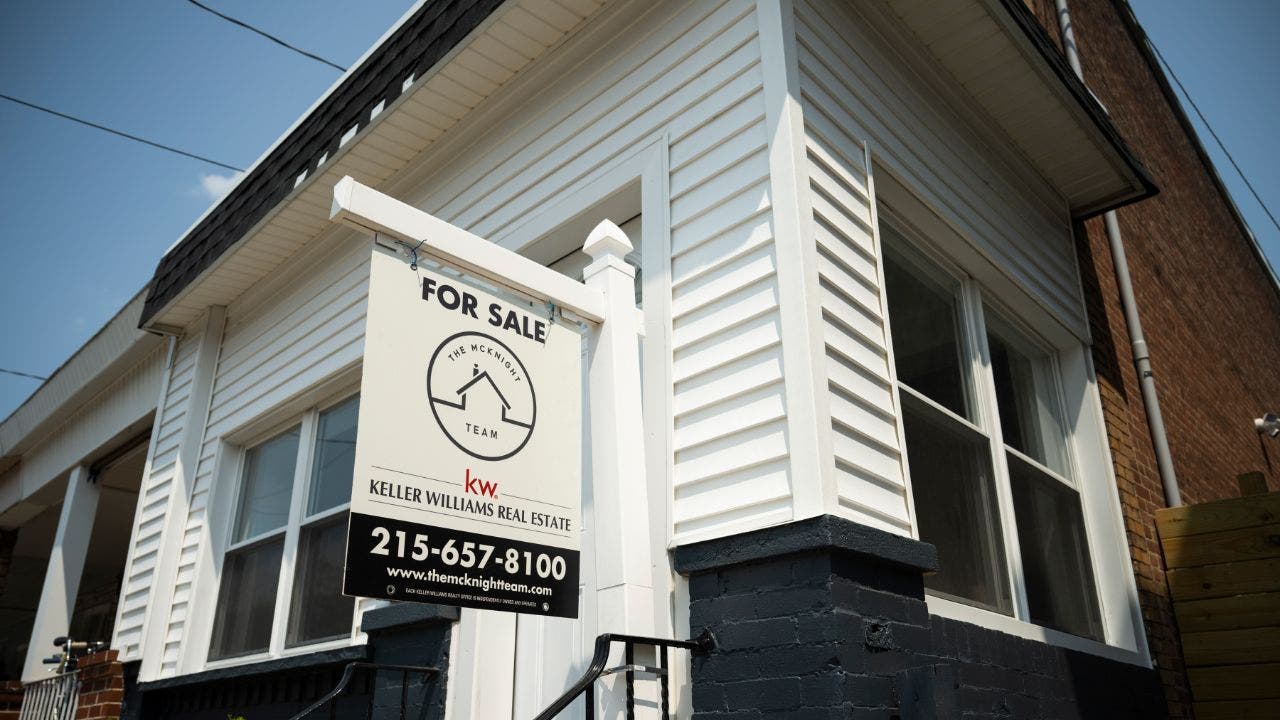
Mortgage affordability is at a four-year high after rates fell in January, with the White House touting President Donald Trump’s economic policies and maintaining his promise to “unlock” the opportunity of homeownership for American families.
ICE Mortgage Technology’s February Mortgage Monitor Report showed that the mortgage rate declined in January and opened the door to refinancing opportunities for millions of borrowers. The report said the change brought housing affordability to a four-year-high, according to HousingWire.
MORTGAGE RATES TICK HIGHER BUT REMAIN NEAR 6%
“Joe Biden’s inflation crisis crushed the dream of homeownership for millions of Americans — but President Trump is bringing it back,” White House press secretary Karoline Leavitt told Fox News Digital. “Thanks to the President’s successful economic policies, unnecessary red tape is being cut at a historic pace, borrowing costs are easing, and income growth is outpacing home price gains — finally making housing more affordable again.”
Leavitt added: “President Trump knows America is strongest when it’s a nation of owners, not renters, and he is determined to unlock that opportunity for as many American families as possible.”
Freddie Mac’s latest Primary Mortgage Market Survey in early February showed that the average rate on the benchmark 30-year fixed mortgage was 6.11%. The average rate on a 30-year loan was at 6.89% a year ago.
“For the last several weeks, the 30-year fixed-rate mortgage has remained at its lowest level in years,” Sam Khater, Freddie Mac’s chief economist, said in a statement. “The combination of improving affordability and availability of homes to purchase is a positive sign for buyers and sellers heading into the spring home sales season.”

HOME DELISTINGS SURGE AS SELLERS STRUGGLE TO GET THEIR PRICE
But Realtor.com Senior Economist Anthony Smith said that while the Federal Reserve held rates steady at its January meeting, shifting the focus to Trump’s nomination of Kevin Warsh as the next Federal Reserve chair could cause uncertainty.
Smith said that the nomination “has re-centered attention on the importance of policy credibility and investor expectations.”

“Mortgage rates are not directly set by the Fed but instead reflect long-term yields, which respond to shifting economic signals, market sentiment and perceived risks. If investors grow uncertain about the Fed’s intentions or begin to question its independence, long-term yields can rise even during a rate-cutting cycle,” Smith said. “That paradox underscores the risk of mixing political objectives with monetary policy.
“For housing, that means aggressive calls for rate cuts may not lower mortgage rates unless market confidence in the Fed’s inflation-fighting credibility remains intact.”
Smith also said home affordability benefits from low inflation and a stable labor market, coupled with wage growth to boost household purchasing power.
“Whether buying a first home, relocating or moving up, American families need both stable prices and steady income growth,” he said. “A Fed that is seen as credibly delivering on its dual mandate of price stability and maximum employment is the most durable path to better housing affordability over time.”