

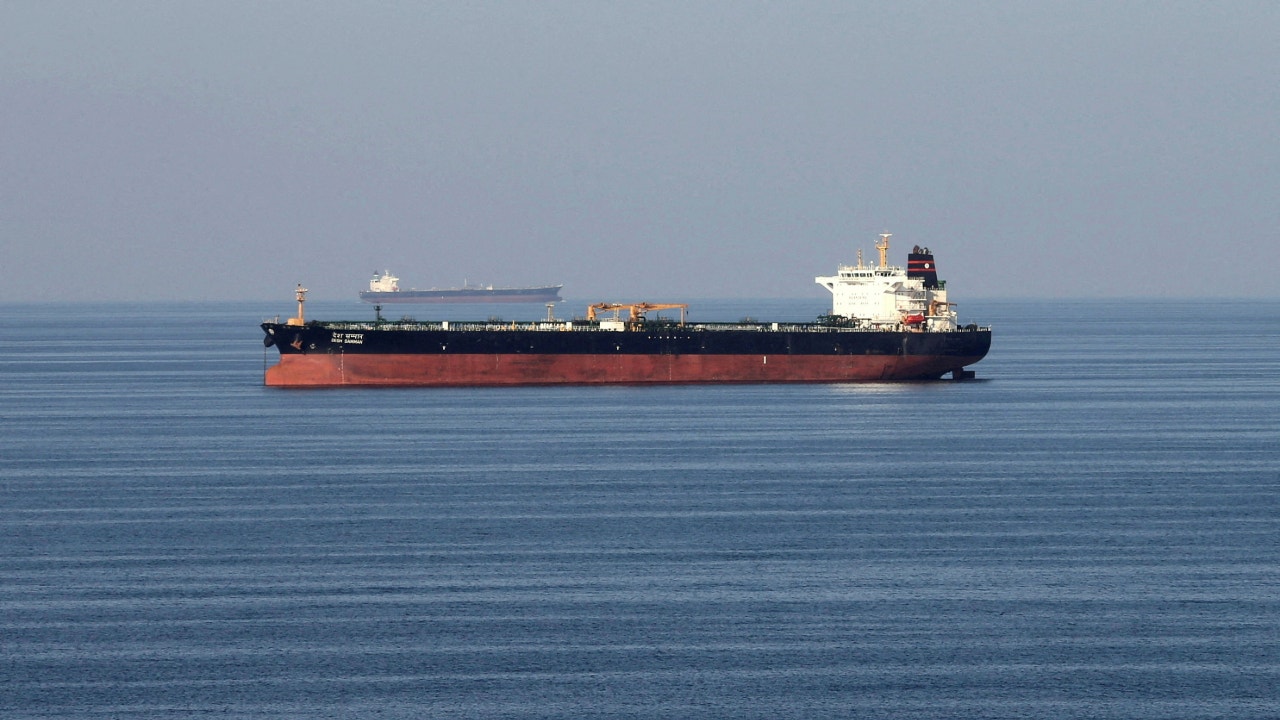
Traffic by tankers transiting the Strait of Hormuz has picked up amid the negotiations between the U.S. and Iran aimed at ending the war, which has caused oil prices to decline with more supply hitting the market.
The two sides have agreed to open the key shipping route for oil during the negotiations after the U.S. instituted a naval blockade and Iran laid sea mines that deterred shipping from moving through the narrow chokepoint.
The Strait of Hormuz’s central channel is yet to be cleared of Iranian mines, which has caused ships making the transit to either pass through a northern channel in Iran’s territorial waters or a southern channel in Oman’s waters. The U.S. Navy is overseeing transits along the southern route, while Iran issued a demand last week that vessels use the northern route through its waters.
Shipping traffic rose over the weekend to the highest level since the conflict began at the end of February, with 109 vessels transiting the Strait of Hormuz from Saturday through Monday, according to Kpler, a firm which tracks global shipping traffic.
OIL PRICES FLUCTUATE AS TRUMP’S IRAN DEAL COULD FULLY REOPEN STRAIT OF HORMUZ
President Donald Trump said Tuesday in a post on his Truth social media platform that, “19 Million Barrels of Oil flowed out of the Hormuz Strait yesterday, an all time RECORD. Oil prices are tumbling down, and the World is a much safer place!!!”
Despite the rise in shipping traffic, it remains lower than the more than 130 ships per day that transited the strait on a typical day before the conflict began, the New York Times reported.
There also remains a backlog of hundreds of ships waiting to pass through the strait, according to the International Maritime Organization.
OIL PRICES PLUNGE TO LOWEST LEVELS SINCE EARLY MARCH AFTER TRUMP SIGNS IRAN DEAL

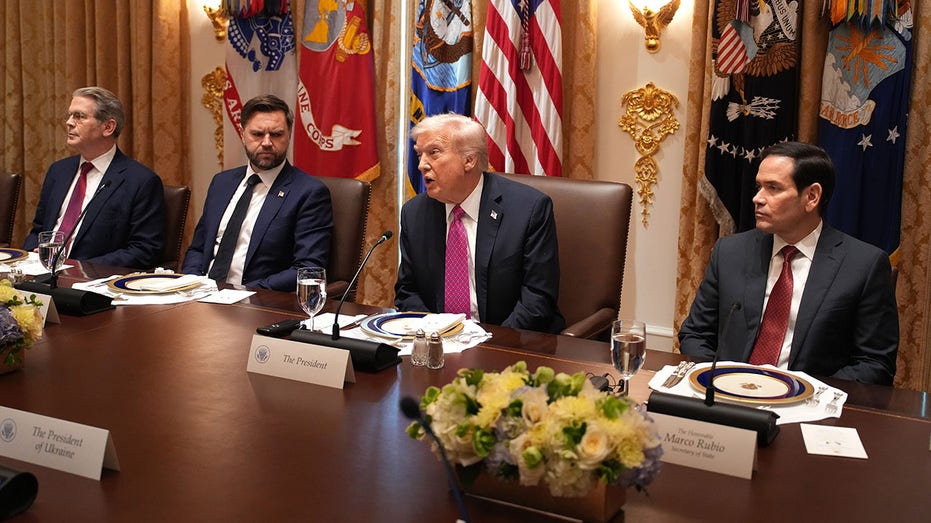
The Joint Maritime Information Center (JMIC), a U.S.-led international maritime security organization based in Bahrain, lowered the regional threat level to moderate on June 18 after the U.S. and Iran agreed to open the waterway during the 60-day negotiating window.
However, it noted there have been confirmed mines in the waterway and recommended vessels use the southern route near Oman as it has been cleared of mines.
“Mariners should be advised of the existence of mines and expect naval presence as clearance operations continue,” JMIC said in its announcement. “Mariners should also expect congestion through transit routes and potential VHF hailing from naval forces to support free flow.”
ZELDIN TOUTS US ENERGY FUTURE, SAYS INDO-PACIFIC NATIONS INCREASINGLY INTERESTED IN AMERICAN SUPPLY
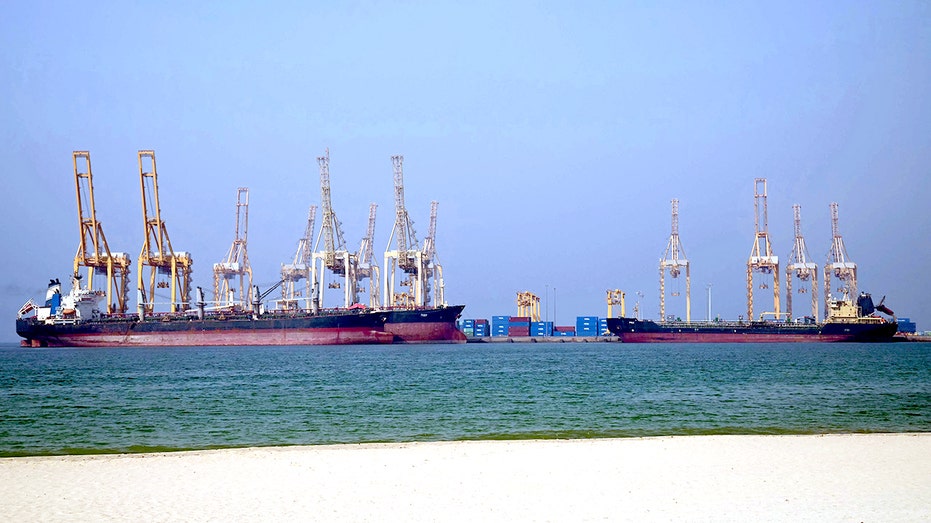
The uptick in oil moving through the Strait of Hormuz has eased global oil prices, which surged to trade above $100 a barrel at times during the first two months of the conflict.
Prices for Brent crude, the global oil benchmark, were around $75 a barrel on Tuesday after declining about 0.3% on the day and over 4.5% in the past five days.
They also declined for the U.S. crude benchmark, West Texas Intermediate, which was about $73 a barrel on Tuesday after declining roughly 0.8% on the day and around 7.7% over the last five trading days.
Rising oil supplies from the Middle East with the return of tanker traffic through the Strait of Hormuz has also caused a shift in prices for North Sea crude, with prices for Forties crude from the North Sea trading at its lowest level in two years on Monday, Bloomberg reported.

