



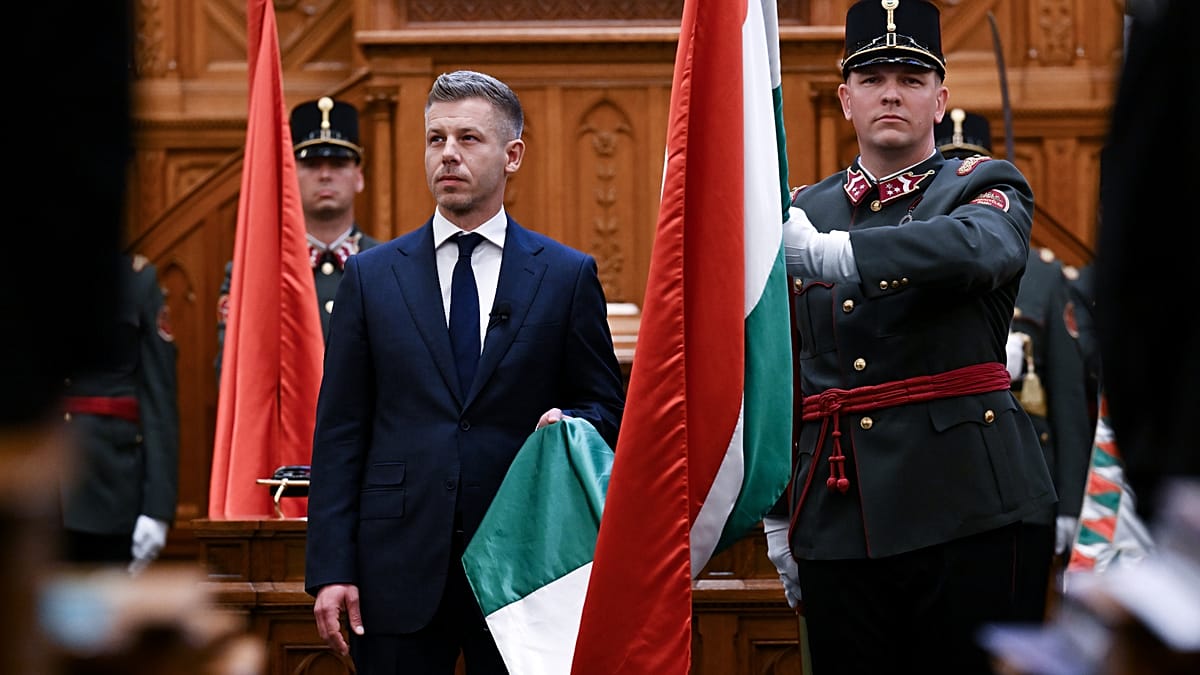
Péter Magyar has been sworn-in as Hungary’s new prime minister, after taking his oath in parliament on Saturday morning, bringing an end to 16-years of Viktor Orbán rule, cementing a landslide April election victory.
ADVERTISEMENT


ADVERTISEMENT
Magyar’s Tisza party secured 141 seats in the 199-seat National Assembly, an outright majority. The outgoing Fidesz has 44, while the KDNP, who formerly allied with Orbán, have 8 and Mi Hazánk 6.
Magyar post was confirmed on Saturday in the inaugural session of the National Assembly. He was appointed with 140 votes in favour, 54 against and 1 abstention.
After taking the oath, Péter Magyar said that people had given his Tisza party a mandate to lead a new chapter in the country’s history, to change not only the government but the system as well.
“I will not rule over Hungary, I will serve my homeland,” he stressed. “However, there can be no new beginning without reconciliation, and no reconciliation without justice,” he added.
“In the house of Hungarian democracy, I call on those holders of high public office who were the servants of the previous system to resign today, or by 31 May at the latest,” said the new PM, adding that “President Tamás Sulyok should be the first to do so.”
Breaking 36-years of tradition and protocols pertaining to government change, former Prime Minister Viktor Orbán did not deliver a speech at the inaugural parliamentary session, nor was he even present for the proceedings.
Ágnes Forsthoffer, Vice President of the Tisza Party, was elected the new Speaker of parliament, and she was quick to announce her first order of business, reinstalling the EU flag on the Hungarian parliament building, after around 12 years of absence.
The Tisza Party is holding an all-day event called a “system-changing people’s festival”, to mark the joyous occasion. By the early afternoon Kossuth Square, in front of the parliament premises, was already full.
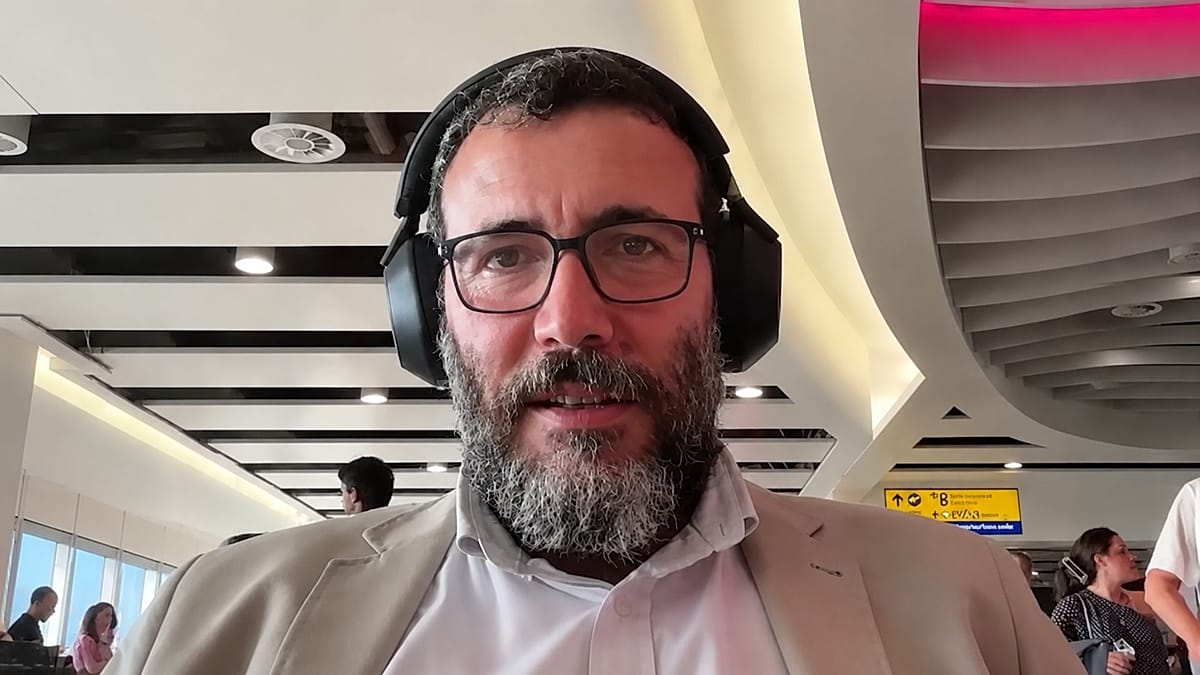
“By electing Péter Magyar prime minister already at the inaugural sitting, the new National Assembly has broken with tradition. Previously, several days would pass between the two events. This will shorten the transition, enabling the new government to be formed more quickly. And by tying the inaugural sitting to a popular celebration, they have turned a protocol event into a shared community experience,” said Rita Kónya, Euronews’ correspondent in Budapest.