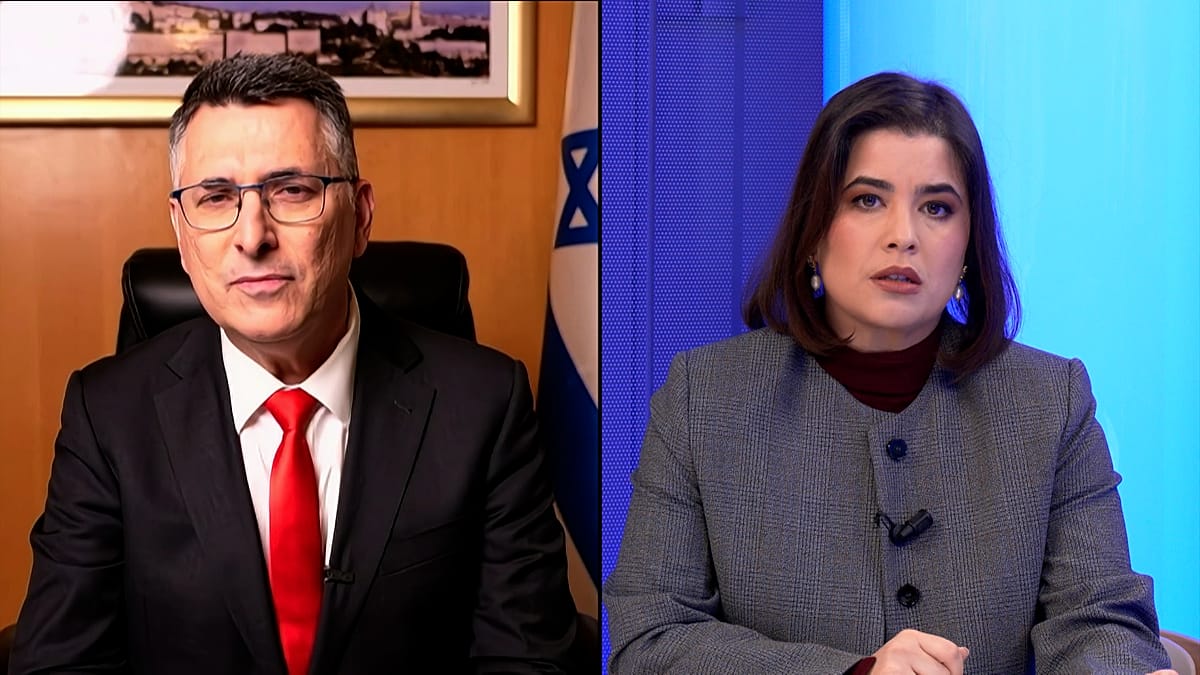


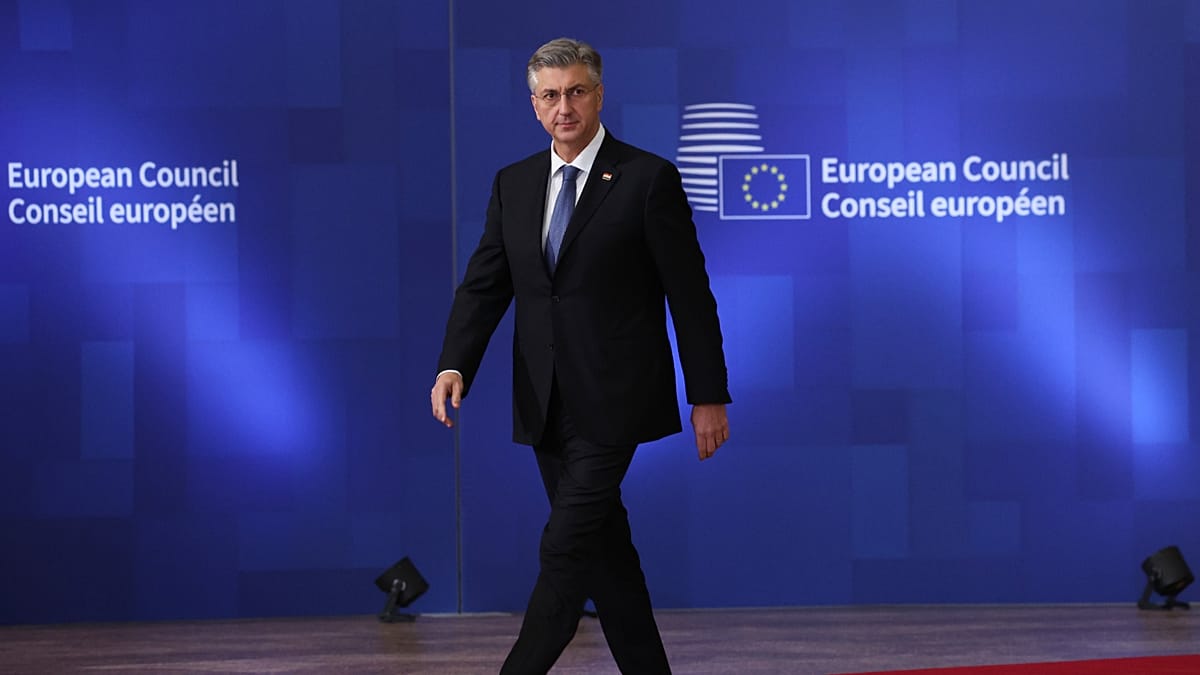
Croatian Prime Minister Andrej Plenković insisted on Monday that the European Union’s position on the events unfolding in the Middle East was “very clear and unified” despite the negative reaction that greeted a statement released by Brussels on Sunday.
ADVERTISEMENT


ADVERTISEMENT
“We shall continue consultations,” Plenković told Euronews’ flagship morning programme Europe Today. **”**I think that all the statements which were issued so far, but for maybe one or two (member states) were very, very clear and unified.”
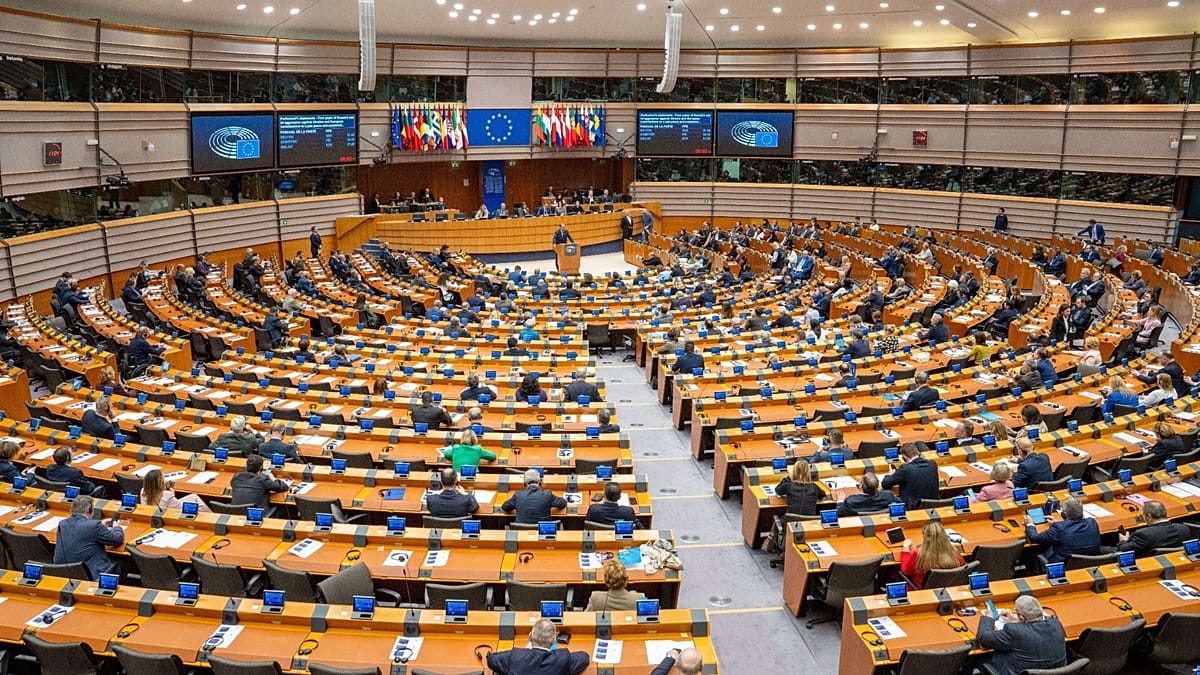
Following a virtual meeting of EU foreign ministers on Sunday afternoon, the bloc’s High Representative for Foreign Affairs and Security Policy, Kaja Kallas, said in a statement that the bloc is taking all necessary steps to ensure the safety of EU citizens in the Middle East and warned that further escalation could threaten the region.
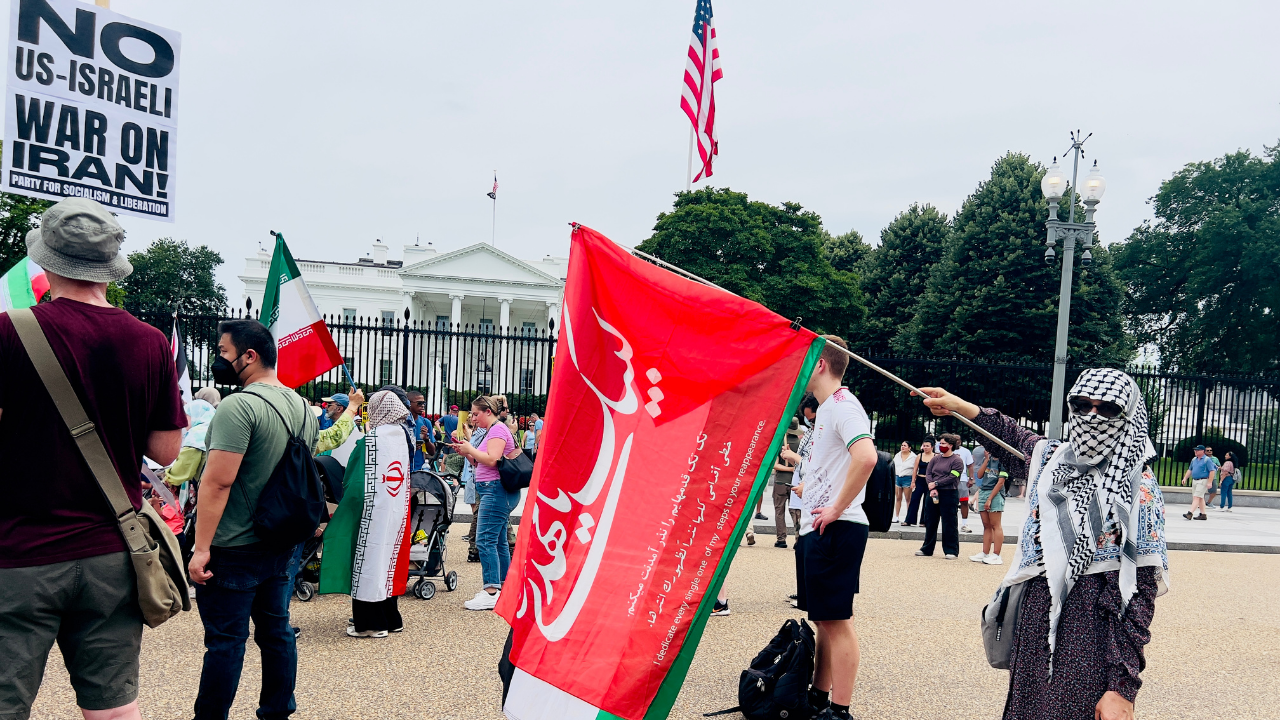
Spain and Slovenia blocked the use of stronger language, with Madrid in particular condemning Saturday’s US-Israeli strikes on Iran. Foreign Minister José Manuel Albares reiterated that position on Monday, telling Euronews that the US and Israel’s “unilateral action” in Iran “doesn’t have backing from the United Nations’ Charter or international law”.
But Plenković argued that the lead on the topic was rightfully taken by the so-called E3 countries – France, Germany, and the UK – because of their key role in nuclear negotiations with Iran.
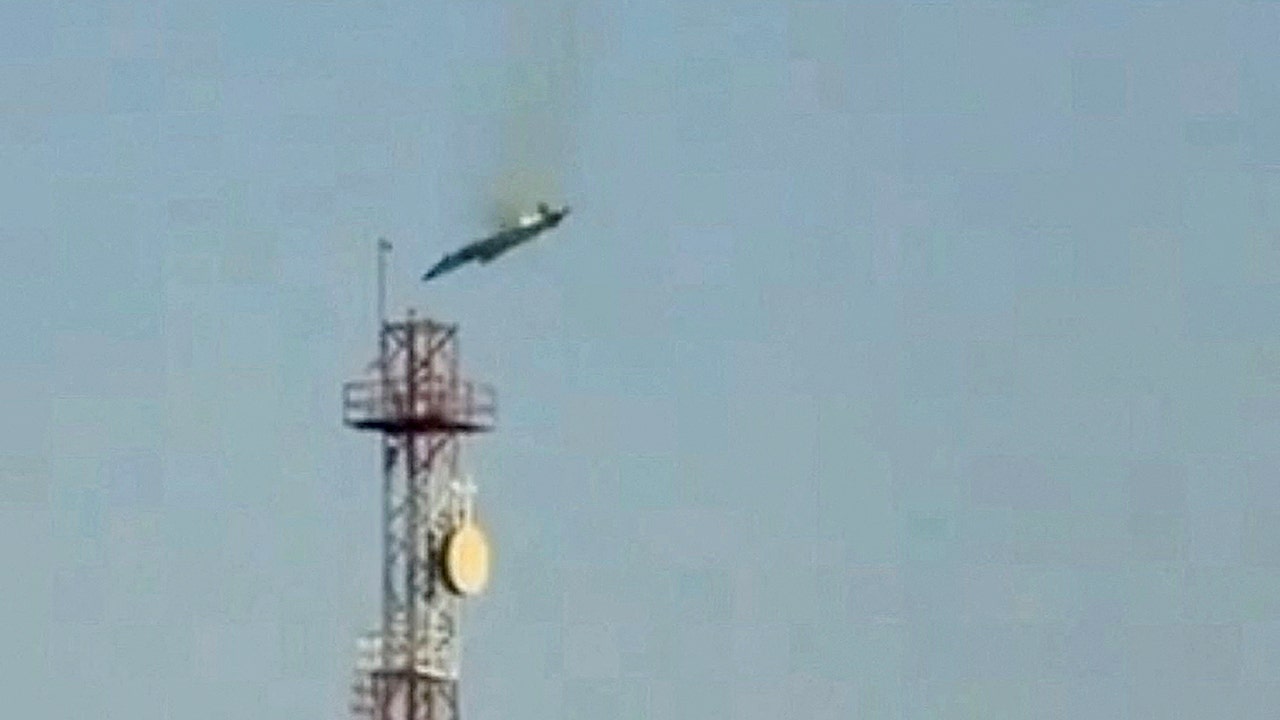
The three countries released a joint statement of their own late on Sunday in which they warned they stand ready to take “defensive action to destroy Iran’s capability to fire missiles and drones at their source”.
Plenković told Euronews this statement “should be considered basically as national statements”, stressing that “there were no decisions in that respect that were taken among the 27”.
Asked if regime change is inevitable in Iran, the Croatian leader urged “prudence”, pointing to what he called “very diversified reactions” within the country itself.
“Some were mourning and some were cheering,” he noted, highlighting the difficulty of interpreting internal dynamics from afar.
“Given the complexity, the size, and I would say the longevity of the current regime, it is very difficult to assess from outside what would be the dynamics internally when it comes to the potential change of regime,” he said. “I think we would have to be prudent for a while.”
The events unfolding in the Middle East have already impacted oil prices, which initially surged about 8% in early trade on Monday. It later traded 5.9% higher at $71.00 (€60) per barrel. Brent crude rose 6.2% to $77.38 (€66) per barrel.
A prolonged war would likely result in higher prices for other fuels and petrol, and could ripple through the global economy, adding to overall production costs.
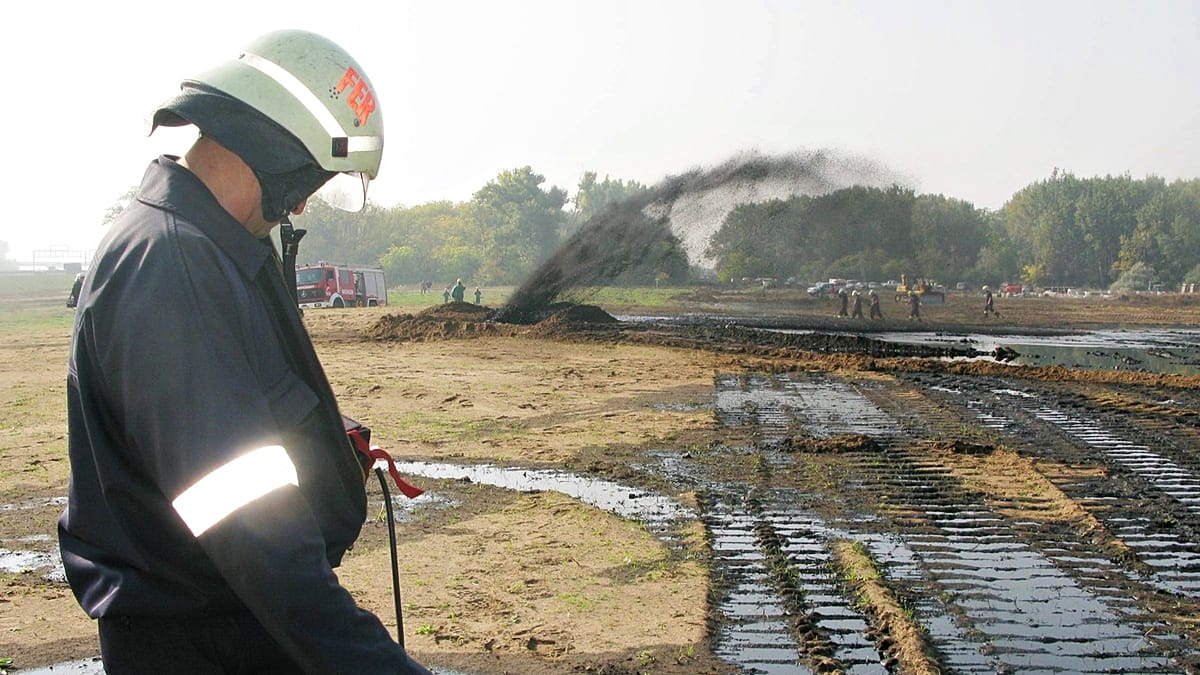
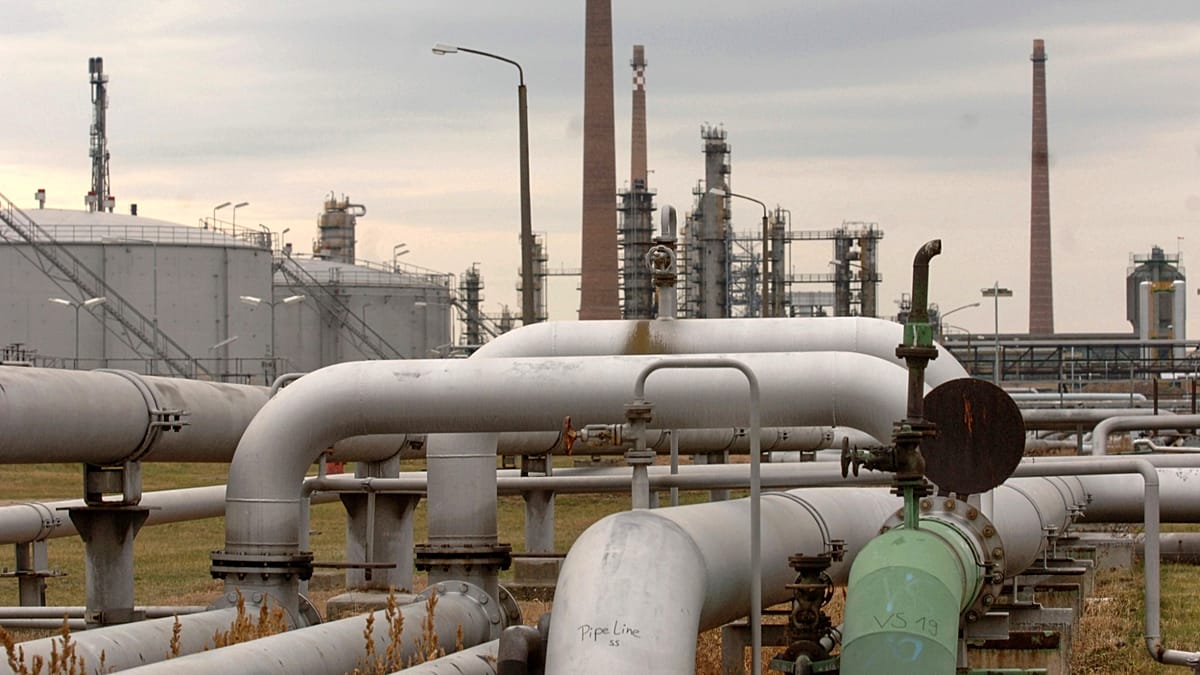
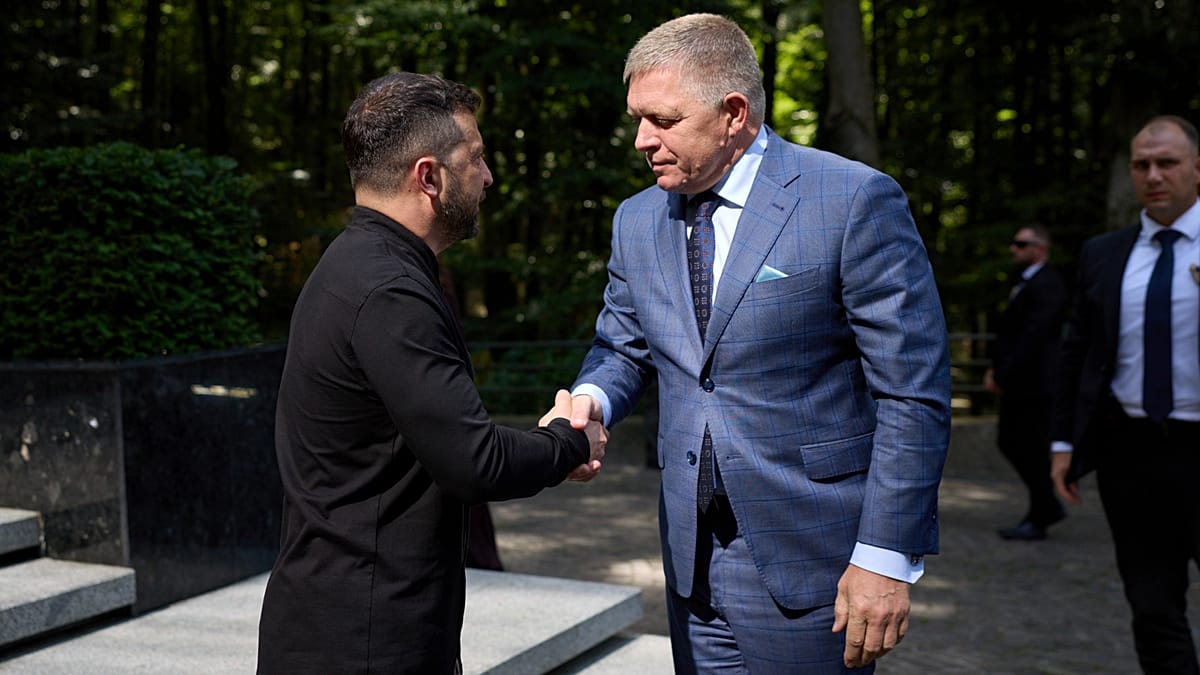
Plenković said Croatia is ready to play its part to assist EU member states’ energy needs, stressing that Zagreb had repeatedly argued to partners including Hungary and Slovakia – which are currently in a row with Ukraine over damage to the Druzhba pipeline, via which they import cheap oil from Russia – that the Adriatic pipeline should be viewed as a primary, not secondary, supply route.
The pipeline, linking the Croatian port of Omišalj with refineries in Százhalombatta and Bratislava, has the capacity to deliver up to 14 million tonnes of crude oil annually, with an additional 9 million tonnes available for Serbia’s refinery in Pančevo.
The pipeline, Plenković said, is “reliable”, it has “full capacity” and “does not have the issue of transportation fees and costs”.
The latter, he said, “is, in our assessment, three times cheaper when it comes to the transportation fee from Druzhba”.