



Two weeks into the Iran war, is the EU ready to face the security and economic consequences of the conflict in the Middle East?
ADVERTISEMENT


ADVERTISEMENT
Euronews’s weekly podcast Brussels, My Love? tackles these questions with political analyst Cornelius Adebahr, director of the EU Institute for Security Studies, Steven Everts, and Euronews’ editor-in-chief and former Middle East correspondent Sophie Claudet.
A war Europe did not want
Since the US and Israel started launching coordinated strikes across Iran on 28 February, doubts have dominated headlines regarding the reasons behind the war and its compliance with international law.
“It seems like this was not thought through in a deliberate manner,” Everts highlighted.
The US administration has put forward several arguments to explain its intervention, including the Iranian nuclear threat and the need for regime change in Tehran. However, the start of the war remains difficult to explain both internationally and within the US political debate, according to experts.
“Trump was elected on the platform of not starting any war, humanly costly war, but he seems to be doing the opposite,” Claudet underlined.
On the other side of the Atlantic, Brussels also does not know what US President Donald Trump’s endgame is, but according to Adebahr, Europeans must reflect on what they want from a “situation that was created by others”.
The security threat
Among the major consequences that the war in the Middle East could have on Europe is the security issue.
According to Europol, the conflict in the Middle East could have “immediate repercussions for serious and organised crime and terrorism in the EU.”
This threat puts Europe in a complicated position. As Adebahr explained, Europe might take defensive actions because it feels threatened by Iran, but Iran could then see this as Europe’s first step into the war and retaliate.
“The Europeans will have to consider our options regardless of what the United States is planning to do because that has left the realm of rationality a long time ago,” the expert said.
The economic concern
Another major international consequence is the severe impact war is having on the economy.
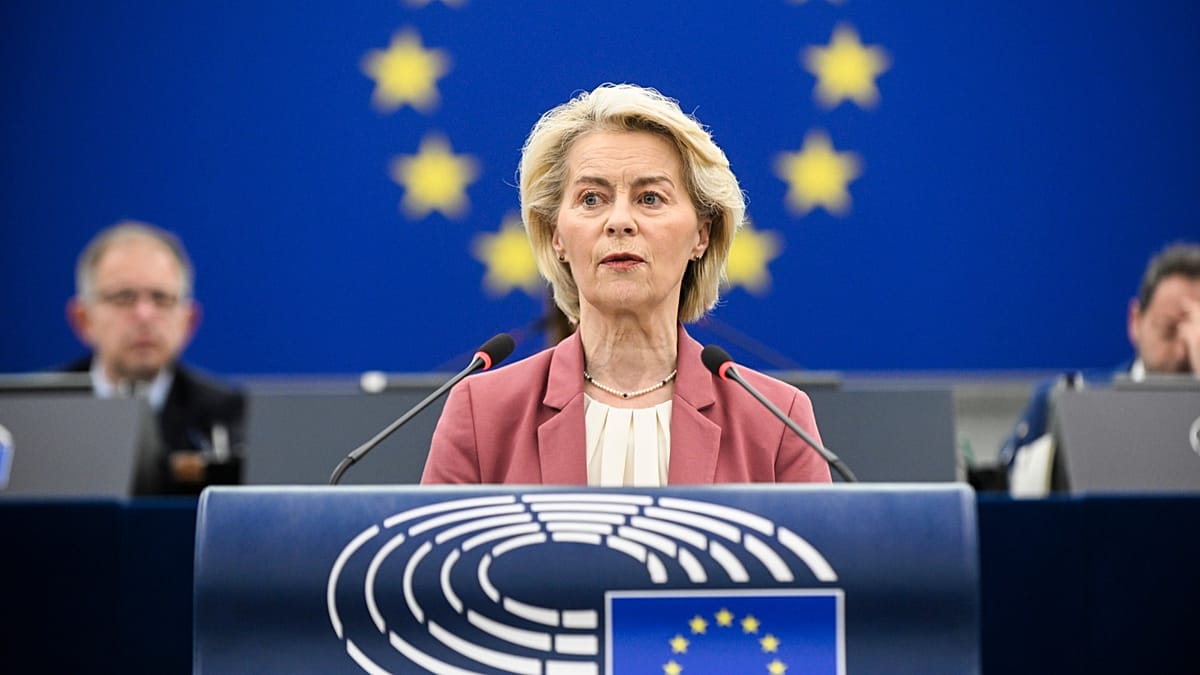
Earlier this week, European Commission chief Ursula von der Leyen gave a speech at the European Parliament plenary debate, noting that since the beginning of the war, gas prices have risen by 50% and oil prices have risen by 27%.
“If you translate this in euros, the 10 days of war have already cost European taxpayers an additional €3 billion in fossil fuel imports. That is the price of our dependence,” she continued.
Von der Leyen therefore highlighted the necessity of focusing on home-grown energy sources, such as renewable and nuclear, a point which was also stressed by Everts.
“Europe is excessively dependent on fossil fuel imports,” he said.
“You have to accelerate everything you do on renewable, it’s energy you don’t import, and it means that you are less dependent on the actions of dictators or other unreliable partners,” he concluded.
Listen to the podcast in the player above or wherever you get your podcasts.
Additional sources • Georgios Leivaditis, sound editing and mixing.