

Beach towns in Delaware are attracting a growing number of retirees as the region emerges as an alternative destination to more prominent locations like Arizona and Florida, and it’s straining local resources.
A new report by Bloomberg notes retirees are flocking to Sussex County in southern Delaware, which has seen an influx of 40,000 new residents since 2020 with a growth rate of 17%, about five times the national average.
The growth in Sussex County has also given Delaware a faster growing population of residents age 65 and up than any other state, topping other states that are popular with retirees with a 23% growth rate among that cohort since 2020, which the report notes tops all 50 states.
Older generations have historically sought out warmer climates in places like Florida and Arizona as they entered retirement, but southern Delaware has become a compelling option – particularly among those leaving colder locales in the North.
5 CITIES THAT NAIL THE RETIREMENT SWEET SPOT
Delaware offers notable tax advantages over its peers in the Northeast like New York, New Jersey and Massachusetts, which can be compelling for retirees looking to relocate.
The First State, as Delaware is nicknamed, has a top income tax rate of 6.6%, no sales tax, and generally lower property taxes than those larger Northeastern states, according to Tax Foundation data. Delaware also has no estate tax, which can be an important consideration for retirees.
Brad Travis Jr., a financial planner who grew up around Sussex County, told Bloomberg that, “Everybody wants to be the last person to move here,” noting that “property tax refugees” from New Jersey could see those costs fall from $18,000 to more like $1,500.
THESE RETIREMENT HOT SPOTS ARE THE PRICIEST IN AMERICA

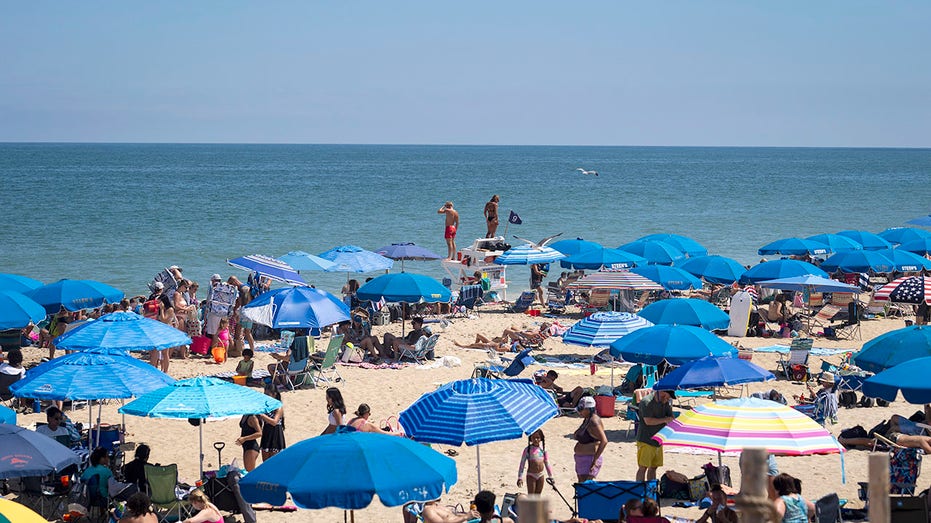
Communities like Lewes and Rehoboth Beach, which is known for former President Joe Biden having a home there, have seen significant growth as retirees move to the region.
Census estimates show the median age of Sussex County rose to 53.2, nearly 14 years higher than the national average and an increase of five years since 2015.
The report noted that the new residents often have higher incomes, with the latest IRS migration data from 2022 indicating families moving to the region had an annual income of more than $136,000 compared to under $92,000 for existing residents.
MILLIONS OF JOBS VULNERABLE AS ‘SILVER TSUNAMI’ LOOMS OVER US SMALL BUSINESSES, EXPERTS WARN
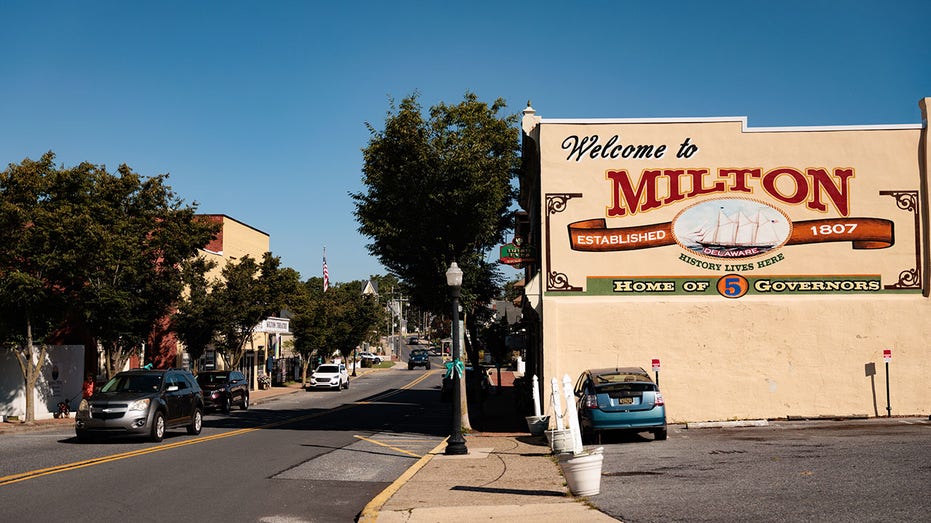
While the influx of new residents has helped boost the area’s economy, it has also strained resources like healthcare and education, as well as local roads and stores.
Bloomberg reported that schools are having to install modular classrooms to accommodate growing student populations – a sign that the growth isn’t limited to retirees.
Joe Pika, a 79-year-old former professor at the University of Delaware, told the outlet he had to wait nine months for a colonoscopy and 18 months for a dental visit, while he drove 40 miles to visit a dermatologist.
Pika said that while he only moved to the area four years ago, he’s among the residents concerned about Sussex County growing too rapidly, telling Bloomberg there was “an appalling lack of planning” for the issues that have coincided with its growth.

