


Russia’s oil earnings have increased since the start of the war in Iran, data shows, as the ongoing conflict has halted oil shipments through the Strait of Hormuz and raised global energy prices.
ADVERTISEMENT

ADVERTISEMENT
Data from the Centre for Research on Energy and Clean Air (CREA) shows that Russia has already increased its profits from oil and fossil fuels in general, two weeks into the conflict, which has spilt over into other countries in the Middle East.
In the first 15 days of March, Moscow pocketed around €372 million a day from oil exports, around 14% higher than its average daily earnings in February.
Russia earned €7.7 billion from fossil fuel exports, combining oil, gas and coal, between 1 and 15 March. That’s equivalent to around €513 million a day, up from about €472 million a day in February.
Global oil prices, including that for Brent crude oil, have ballooned since joint US-Israeli strikes on Iran on 28 February. On Thursday, Brent crude oil traded above $119 (€103) a barrel as strikes on both sides continued.
These prices can translate into higher revenues for major oil-exporting countries, such as Russia.
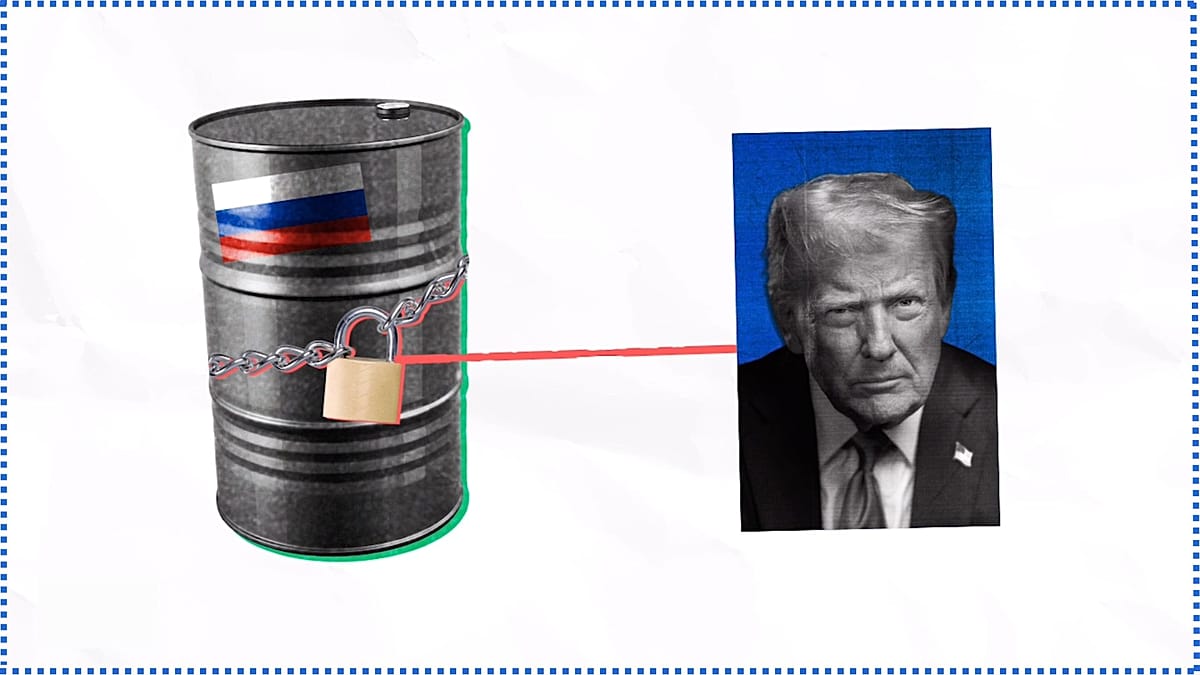
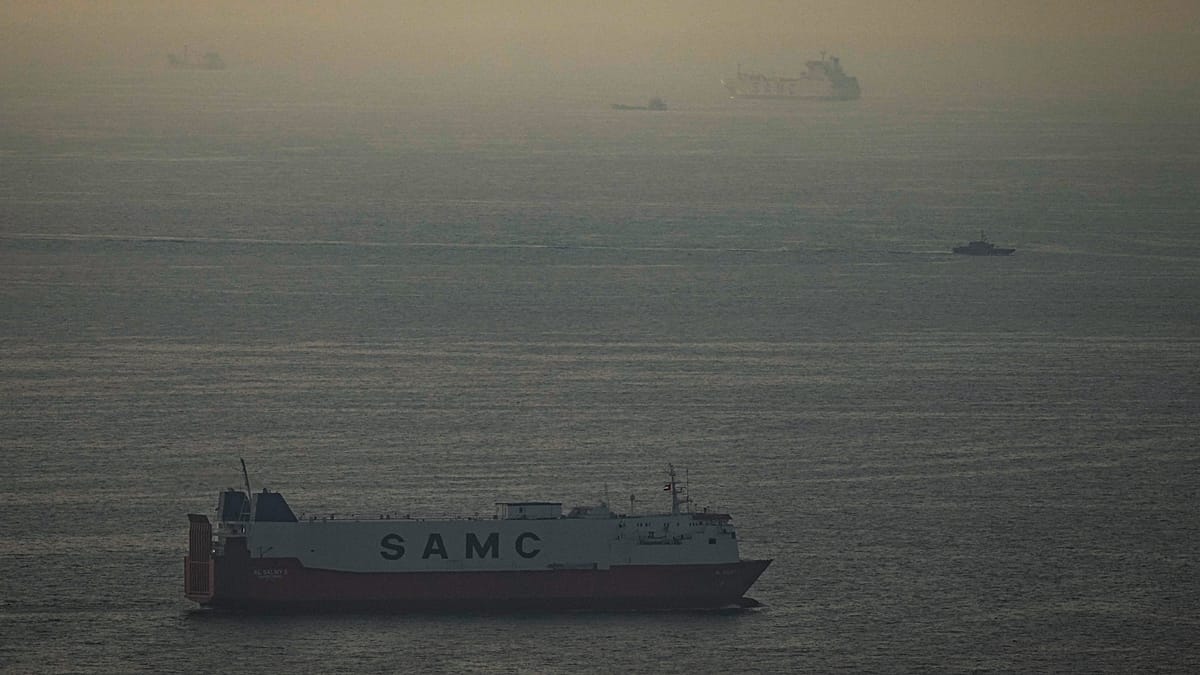
At the same time, the US Treasury last week issued a 30-day waiver on the purchase of Russian oil already at sea — a decision European leaders have pushed back on, arguing that easing sanctions risks contributing to Moscow’s war revenues.
The US government also temporarily eased sanctions, allowing India to purchase Russian oil and petroleum products at sea, months after it warned India to stop purchasing Russian oil.
US Treasury Secretary Scott Bessent said the waiver was temporary, limited and necessary as a response to “promote stability in global energy markets and working to keep prices low.”
“This narrowly tailored, short-term measure applies only to oil already in transit and will not provide significant financial benefit to the Russian government, which derives the majority of its energy revenue from taxes assessed at the point of extraction,” he added in a post on X.
However, analysts argue that higher global oil prices and continued demand from buyers such as India can still boost Moscow’s earnings.
The move allows oil importers to evade strict US sanctions, in place since Russia’s full-scale invasion in 2022, that have blocked them from trading with large sectors of the Russian economy.
CREA’s data shows that India and China together account for roughly three-quarters of Russia’s oil revenues. India in particular bought around €1.3 billion worth of Russian fossil fuels between 1 and 15 March, totalling about €89 million a day, up from €60 million in February.
European leaders remain steadfast
The US move to waive sanctions on Russia has created a divide across the Atlantic as European leaders remain steadfast in their resolve to maintain strict sanctions on Russia, despite ballooning prices threatening to trigger an energy crisis for European economies.
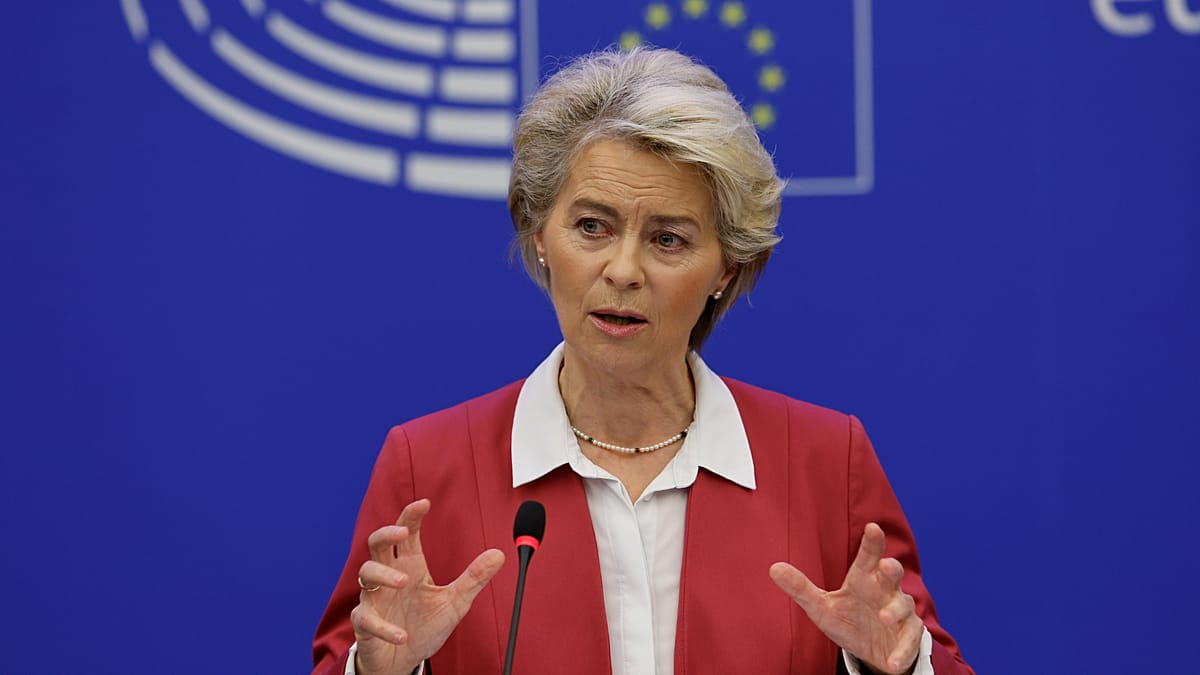
European Commission President Ursula von der Leyen, German Chancellor Friedrich Merz, and French President Emmanuel Macron have all called to maintain strict sanctions against Moscow.
Hungary’s Prime Minister Viktor Orbán was the only European leader to call on the European Union to suspend sanctions on Russian energy imports, citing the threat of skyrocketing energy prices on the continent.
According to research by Transport and Environment, a think tank that promotes sustainable transport in Europe, drivers could end up paying levels last seen in 2022, when Russia’s invasion of Ukraine disrupted global markets and drove up prices.
Since 2022, Europe has worked to phase out its reliance on Russian oil, gas and coal.
CREA’s analysis shows that the EU still purchases around €50 million a day in Russian fossil fuels, mainly gas delivered through pipelines that are exempt from sanctions.
This is, however, a large drop from 2021, when Russia supplied the EU with 45% of its gas and 27% of its oil, according to CREA.