


Published on
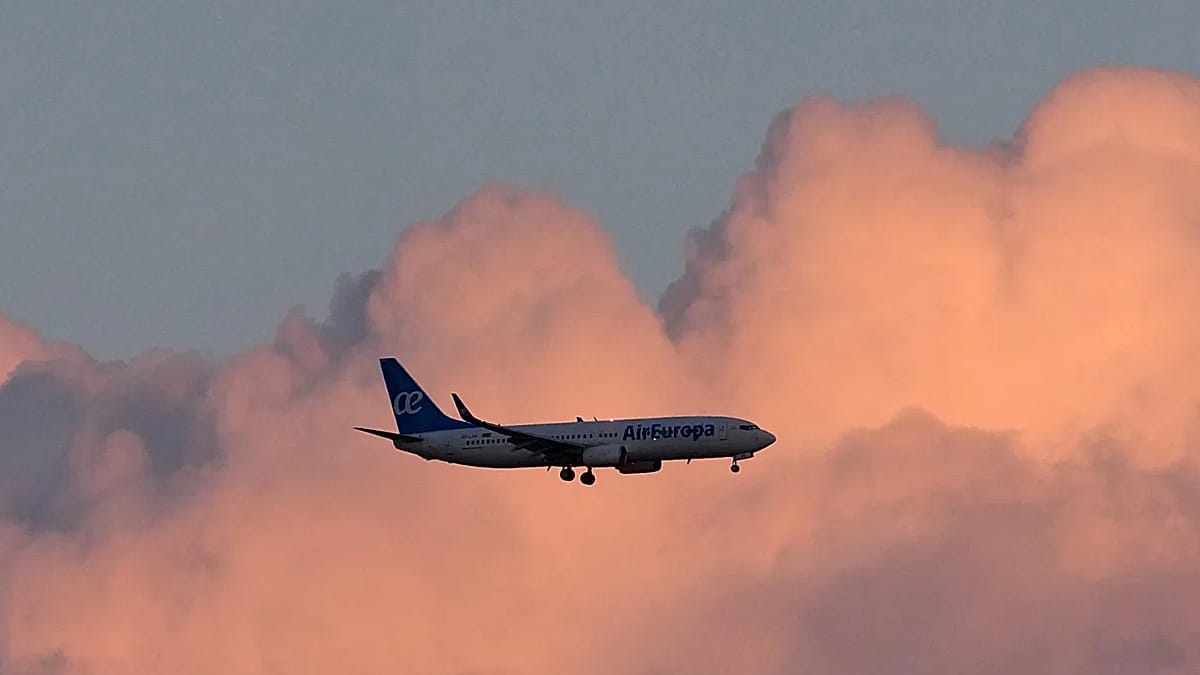
German MEP Bernd Lange, chair of the European Parliament’s trade committee, has warned that the long-running Airbus-Boeing dispute could jeopardise the EU-US trade agreement struck last summer if transatlantic tensions flare again in the coming weeks.
ADVERTISEMENT


ADVERTISEMENT
The implementation of the Turnberry Agreement, clinched in July 2025 by US President Donald Trump and European Commission President Ursula von der Leyen in Scotland, is entering its final stretch, with EU lawmakers expected to approve it in a vote next Tuesday.
However, the five-year truce between US aerospace giant Boeing and its European rival Airbus over mutual subsidy allegations expires on 11 July, with the Trump administration and the European Commission yet to agree to extend it.
“Will this lead to another escalation? Nobody knows,” Lange, the Parliament’s lead negotiator on the EU-US deal, told journalists on Thursday during a meeting with fellow Socialist lawmakers.
The MEP is concerned that a renewed aerospace dispute could further strain transatlantic trade ties after a year of intense tensions.
“I hope this will not blow up,” Lange told Euronews.
Turnberry deal remains fragile
The battle between Boeing and Airbus dates back more than two decades. The US first brought a case before the World Trade Organization arguing that the EU was illegally subsidising Airbus. Brussels responded with its own complaint, accusing Washington of unlawfully supporting Boeing.
The dispute eventually spiralled into a tariff war, with both sides imposing punitive duties on products ranging from wine and spirits to cheese and tobacco, affecting $11.5 billion worth of trade.
A truce was reached in 2021 under the Biden administration, taking effect on 11 July that year and suspending retaliatory measures for five years. However no extension has been announced since.
“Discussions with the US are ongoing to ensure stability and certainty and to continue the suspension of countermeasures on both sides,” Commission deputy chief spokesperson Olof Gill told Euronews.
In its Trade Policy Agenda 2026, the Trump administration said the US Trade Representative would decide in July “whether to take action in the Section 301 investigation involving the enforcement of US rights in the World Trade Organization disputes involving large civil aircraft”.
The US is able to impose tariffs on trading partners under section 301 of the Trade Act of 1974.
Last week, Washington threatened to impose 10 percent tariffs on EU goods over forced labour following a Section 301 investigation. If implemented, those duties would be added to existing most-favoured-nation tariffs, pushing average US tariffs on EU goods above the 15 percent ceiling agreed under the Turnberry deal.
Under the agreement, which EU lawmakers are expected to adopt next week, the EU committed on its side to eliminate its duties on US goods. However, lawmakers fought hard to include safeguards to protect the deal from future US tariff threats and ensure the 15 percent cap is respected.
The agreement has always appeared fragile. Trump has repeatedly used tariffs as leverage in non-trade disputes, from his push for the acquisition of Greenland earlier this year to his more recent threat to impose 25 percent tariffs on EU cars after German Chancellor Friedrich Merz criticised the war with Iran.
Should the Airbus-Boeing dispute reignite, it could give the US president another pretext to unravel the 2025 agreement.