

Published on
•Updated
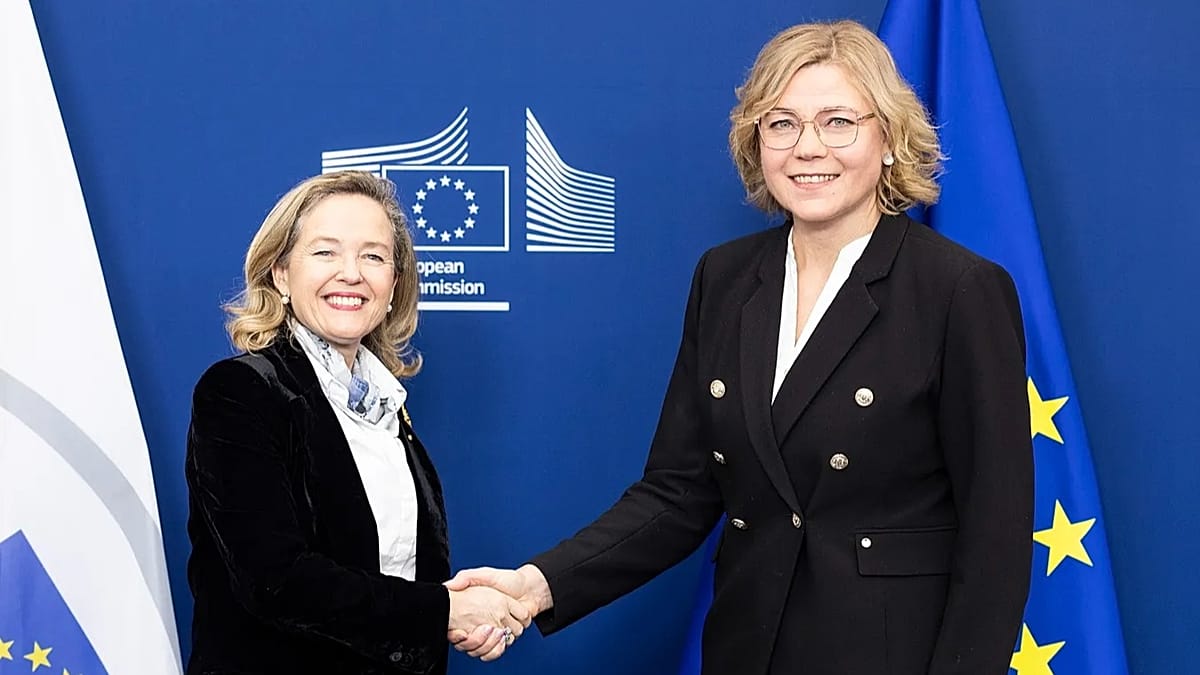
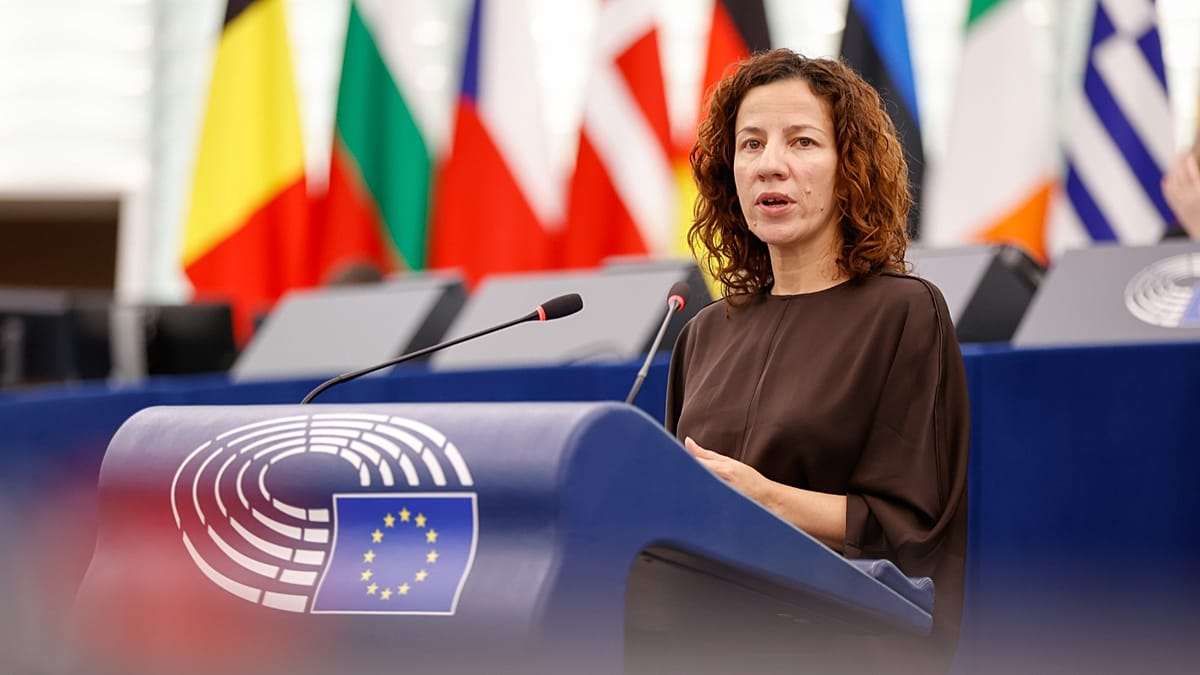
As part of the European Commission’s plan to create what it calls “a social Europe”, the Romanian Commissioner will today present the Commission’s plan to upskill workers to adapt to Europe’s current labour needs and prepare them for the green and digital transitions.
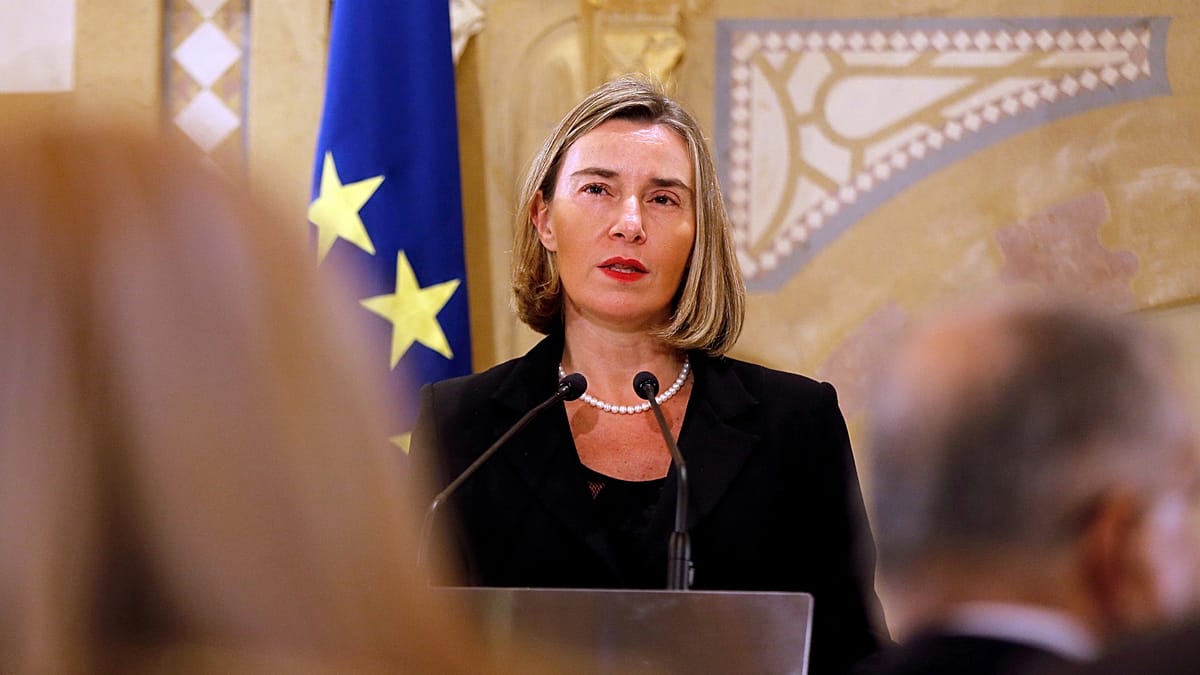
“Social Europe is not dead. Social Europe is the backbone of the European Union,” Executive Vice President of the European Commission in charge of Jobs and Social Rights Roxana Mînzatu told Euronews’ Europe Today on Thursday.
Mînzatu addressed concerns that social rights have been traded off in the name of competitiveness, which has been a priority of Commission President Ursula von der Leyen since the beginning of her second mandate.
According to Mînzatu, the two are not mutually exclusive but need to be balanced.
“Competitiveness is absolutely essential for us to be able to deliver quality jobs,” she said, while insisting that “we cannot in Europe achieve competitiveness if we forgo or if we lower the standards on employment.”
Mînzatu also announced the opening of the first consultation on the Quality Jobs Act, which will be presented next year.
The AI factor
One topic that will be addressed by the legislation is the impact of AI systems on the workplace. A recent Euronews article shows that one in four European workplaces use algorithms and AI to make decisions that impact employees’ working lives.
Mînzatu recognises that AI is affecting jobs worldwide.
“Some jobs for sure will be transformed or will disappear, and some will be functioning with AI assistance,” she said. “Our concern is that we will have AI as a boss, not only as an assistant.”
She stressed the need to create trustworthy environments so that SMEs, large corporations, and workers can use AI systems with confidence.
This will mean workers across ages, regions and sectors will need to improve their AI skills, but Mînzatu insisted the Commission’s legislation in the area will avoid creating a “burden” or “overlaps” for European industry.
“Where we have gaps, we need to see if we need regulations that create minimum protections for workers,” Mînzatu concluded.