
NEWYou can now listen to Fox News articles!
A Massachusetts judge overseeing the murder trial of Lindsay Clancy gave jurors a Tuey-Rodriguez charge Wednesday after they reported for a second time that they were unable to reach a unanimous verdict.
The instruction is given to a deadlocked jury to encourage continued deliberations while reminding jurors they should not abandon honestly held beliefs simply to reach a verdict.
Judge William Sullivan sent jurors back to deliberate Tuesday after they first indicated they were struggling to agree. After the jury again reported that it was deadlocked, Sullivan delivered the formal charge.
A Tuey-Rodriguez charge is unique to Massachusetts and is sometimes called a “dynamite charge” because it is intended to help break a jury impasse without coercing a verdict.
LINDSAY CLANCY VERDICT STILL WITHIN REACH – RETIRED MASSACHUSETTS JUDGE PUSHES BACK ON HUNG-JURY PREDICTIONS
The instruction takes its name from two Massachusetts Supreme Judicial Court decisions. In Commonwealth v. Tuey (1851), the court approved an instruction encouraging deadlocked jurors to re-examine their views with an open mind. More than a century later, in Commonwealth v. Rodriguez (1973), the state’s highest court revised that language to remove pressure on minority or holdout jurors, creating a neutral instruction that asks all jurors to carefully consider one another’s views while maintaining their own honestly held convictions.
Receiving a Tuey-Rodriguez charge does not mean a verdict is imminent. The instruction is generally considered a necessary step before a judge declares a mistrial because of a hung jury, although it often results in jurors reaching a unanimous verdict after further deliberations.
LINDSAY CLANCY’S FUTURE COULD REST WITH ‘PROSECUTION DOCTORS’ AS CASE ECHOES INFAMOUS MAINE KILLINGS: EXPERT
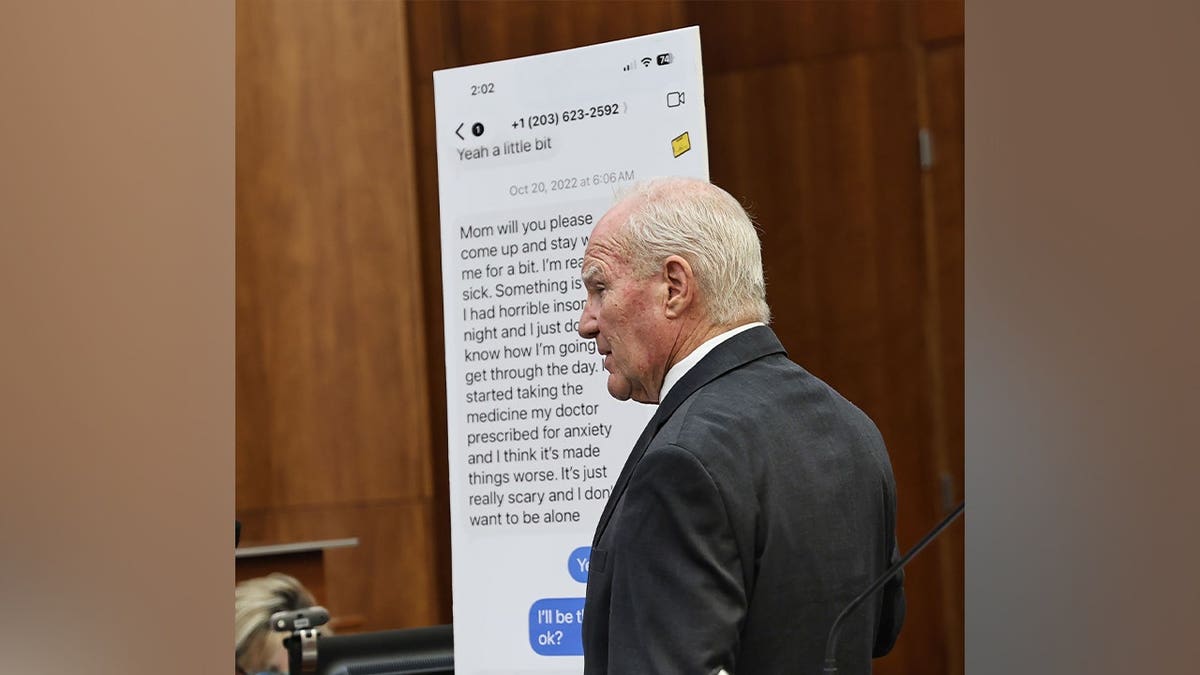
Retired Massachusetts Superior Court Judge Thomas Drechsler told Fox News Digital the instruction is typically given only after a judge determines jurors have fully deliberated but remain deadlocked.
“The charge encourages the jurors to rethink their own feelings in light of what other jurors feel” while reminding them that no one is in a better position to decide the case than the jurors who heard all the evidence, Drechsler said.
If jurors report they remain deadlocked after receiving the instruction, “there’s a higher likelihood” the case could end in a mistrial, Drechsler said, though he noted he has seen juries return verdicts after receiving a Tuey-Rodriguez charge.
Clancy faces three counts of first-degree murder in the January 2023 deaths of her three children — Cora, Dawson and Callan — at the family’s Duxbury, Massachusetts, home.
She does not dispute killing the children but argues she was suffering from postpartum psychosis and was not criminally responsible at the time. Prosecutors contend Clancy was legally sane and intentionally planned the killings.
CLICK HERE TO DOWNLOAD THE FOX NEWS APP
Jurors will continue deliberating after receiving the Tuey-Rodriguez charge. If they remain unable to reach a unanimous verdict, Sullivan could declare a mistrial, leaving prosecutors to decide whether to seek a new trial.
