
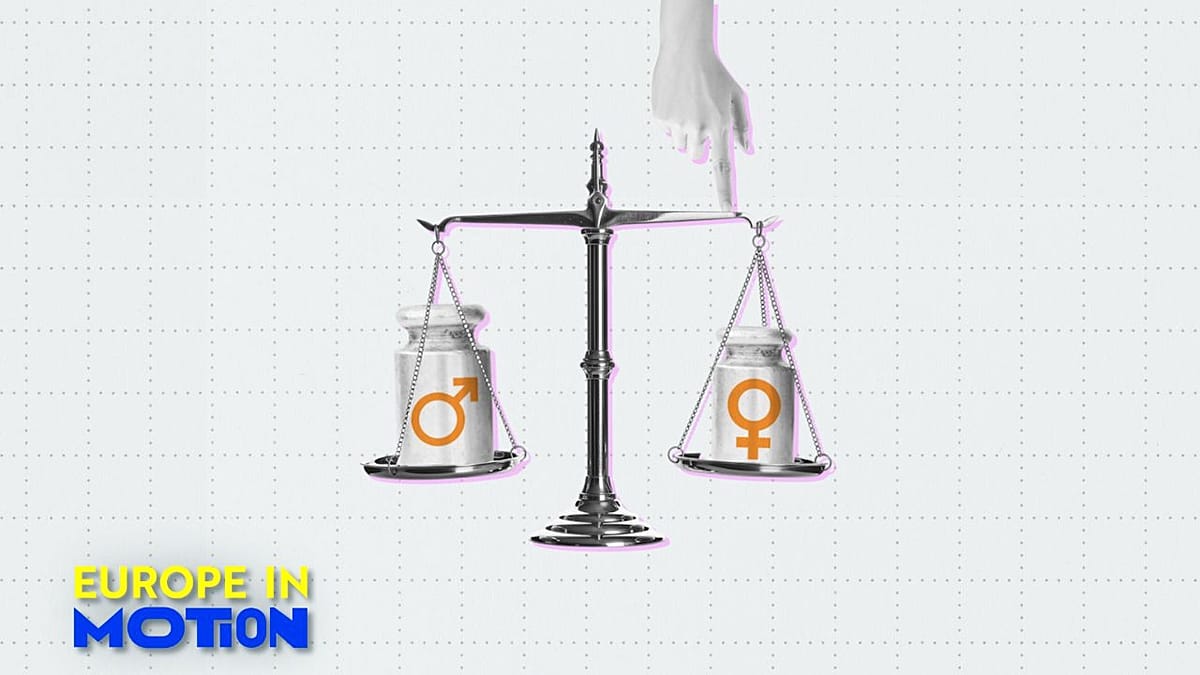
Unequal positions of power are still the largest obstacle to achieving gender equality in the European Union, despite the significant strides made in this area over the past decade, according to the EIGE’s Gender Equality Index 2025.
Across the EU, the scores for the power category, which measures the equality of men and women in decision-making positions across the political, economic and social spheres, range from a high of 80.3 points in Sweden to 12.9 points in Hungary.
The Gender Equality Index gives the EU and the member states a score from 0 to 100. A score of 100 would mean that a country had reached full equality between women and men.
Over the past decade, Spain, Ireland, France, and Italy have made considerable progress in narrowing gender gaps in positions of decision-making.
Where on the political spectrum are women treated most unequally?
Women are generally in the minority in parliaments and governments at all levels, in the largest companies, and in social institutions.
In 2024, the average share of members of national parliaments across EU member states was 67% men and 33% women.
Last year, women were also underrepresented by half among members of boards in the largest quoted companies in the EU: 34% of board members were women, compared with 66% who were men.
Women face difficulties securing campaign funding and often have less influence in candidate selection than their male peers, according to the research.
During the European Parliament elections, 10 EU countries set gender quotas for candidates, with female MEPs reaching the quota level in Spain, France, and Croatia.
Gender stereotypes, violence, and discrimination further discourage women from entering or remaining in public office, undermining democratic representation and progress.
Among the 2,600 locally elected female politicians surveyed in 31 European countries, almost a third of them reported experiencing violence during their political careers.
When asked about the impact of violence on their roles and lives, locally and regionally elected women report wide-ranging repercussions: feeling unsafe (41%), negative effects on their private lives (30%), self-censorship on a political conflict (21%) and withdrawing from public life (12%).
“Gender stereotypes are especially pertinent to the domain of power, as they help shape public perceptions of who is considered fit to hold political office or fill certain roles in society,” the authors of the Gender Inequality Index noted.
In most member states, men are more likely than women to agree with the statement that men in political life are more ambitious than women.
The biggest gender gap among those who agree is seen among respondents aged between 15 and 24, with 48% of young men agreeing, while only 34% of young women support this idea.
In the EU, 17% of women and 22% of men believe women do not have the necessary qualities and skills to fill positions of responsibility in politics.
Support for this statement varies widely across the EU, with 49% of respondents in Hungary agreeing with it, and only 2% in the Netherlands.