
Published on •Updated
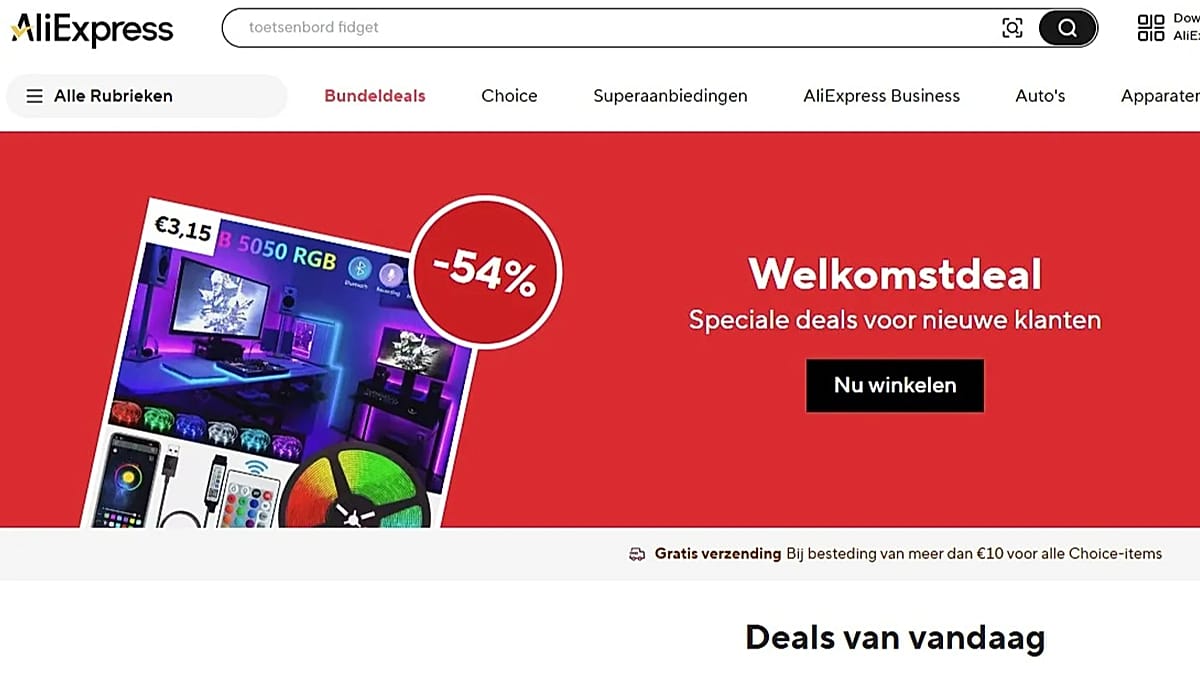
The European Commission on Monday fined AliExpress €550 million for failing to adequately assess and mitigate risks linked to the sale of illegal, unsafe and counterfeit products on its e-commerce platform.
ADVERTISEMENT

ADVERTISEMENT
The decision comes just days after the EU introduced a €3 flat duty on parcels worth less than €150, which had previously entered the bloc duty-free – a move expected to significantly affect the business models of Chinese online retail giants AliExpress, Shein and Temu.
The fine is the latest development in formal proceedings launched in 2024 over a potential breach of the EU’s Digital Services Act. The Commission found that AliExpress failed to establish an effective system to detect and remove illegal products, while underestimating the gap between the number of human moderators available and the scale of their workload.
The platform’s product compliance checks were also found to be vulnerable to abuse, with malicious traders allegedly misclassifying products to exploit less stringent requirements.
According to the Commission’s investigation, large volumes of illegal products – including unsafe toys and dangerous cosmetics – continued to circulate on AliExpress despite moderation efforts, in some cases remaining online for weeks after being flagged.
The Commission also found that AliExpress failed to properly enforce its penalty policy, allowing stores selling illegal products to remain active on the platform even after receiving sanctions.
The company’s brand authorisation system, designed to prevent the sale of counterfeit goods, was deemed ineffective and insufficiently robust to stop abuse, with sellers able to bypass safeguards and list fake products.
AliExpress now has until 20 October 2026 to submit an action plan outlining how it will address the Commission’s concerns. The EU executive will then decide within two months of receiving the plan whether further action is required.
Asked for comment by Euronews, AliExpress replied it has invested substantial resources in risk assessment and mitigation, product safety and consumer protection.
“We disagree with today’s decision and the disproportionate fine, which does not adequately reflect our established framework and the significant, proactive enhancements we have made,” the company said in a statement. “We are carefully reviewing the decision and considering all available options.”