


Faced with rising energy costs, geopolitical instability and mounting pressure on Europe’s power grids, the European Commission wants to make electricity taxation more favourable than natural gas in a bid to lower bills, according to a document seen by Euronews.
ADVERTISEMENT

ADVERTISEMENT
The measure would be a partial response to industry demands that the EU lower electricity bills while accelerating the bloc’s efforts to electrify transport, heating and industry and removing fiscal incentives that currently encourage continued reliance on fossil fuels.
The draft proposal from the Commission emerges against the backdrop of a renewed energy price shock linked to conflict in the Middle East and concerns over the Strait of Hormuz, which the Commission estimates has increased EU fossil fuel costs by roughly €500 million per day.
For energy-intensive industries, governments would be given greater flexibility to reduce electricity taxes — potentially to zero in some cases — to keep European manufacturing competitive. This coincides with a promise made by Commission President Ursula von der Leyen even before tensions in the Middle East exacerbated high electricity costs in the EU.
Environmental groups note that the Commission is attempting to introduce this change in the electricity market design rules, rather than in the energy taxation legislation, which would require unanimous approval from all member states. Previous attempts to review the tax framework in 2021 failed to reach a consensus.
“To bypass this obstacle, the Commission proposes maintaining the energy taxation rules while introducing a broad electrification principle in the electricity market design regulation. Under this approach, member states would be required to reduce the tax differential between electricity and gas,” reads a statement from the NGO Climate Action Network Europe commenting on the leaked document.
The Italian case
A study published on Thursday by the Italian think tank ECCO highlighted a significant tax imbalance in Italy that favours fossil fuels over clean energy. Italian households face electricity taxes and levies up to four times higher than those on natural gas.
This gap widens significantly in the business sector, where SMEs face taxes and levies on electricity that are more than 20 times higher than those imposed on natural gas. Furthermore, the transport sector is also impacted, with taxes on electric vehicle charging reaching up to double the rates applied to diesel and petrol.
Matteo Leonardi, co-founder and executive director of ECCO said the study’s data revealed a “striking paradox” criticising Italy’s tax system for penalising the technologies most critical to advancing the energy transition.
“At a time when energy costs are a key concern for households and businesses, those investing in electrification are unable to fully benefit from its economic advantages. The result is slower investment, reduced competitiveness and a delayed energy transition,” Leonardi said.
Targeting grid costs
According to the leaked document, both volatile energy prices and the growing share of electricity bills represented by network costs and taxes must be addressed.
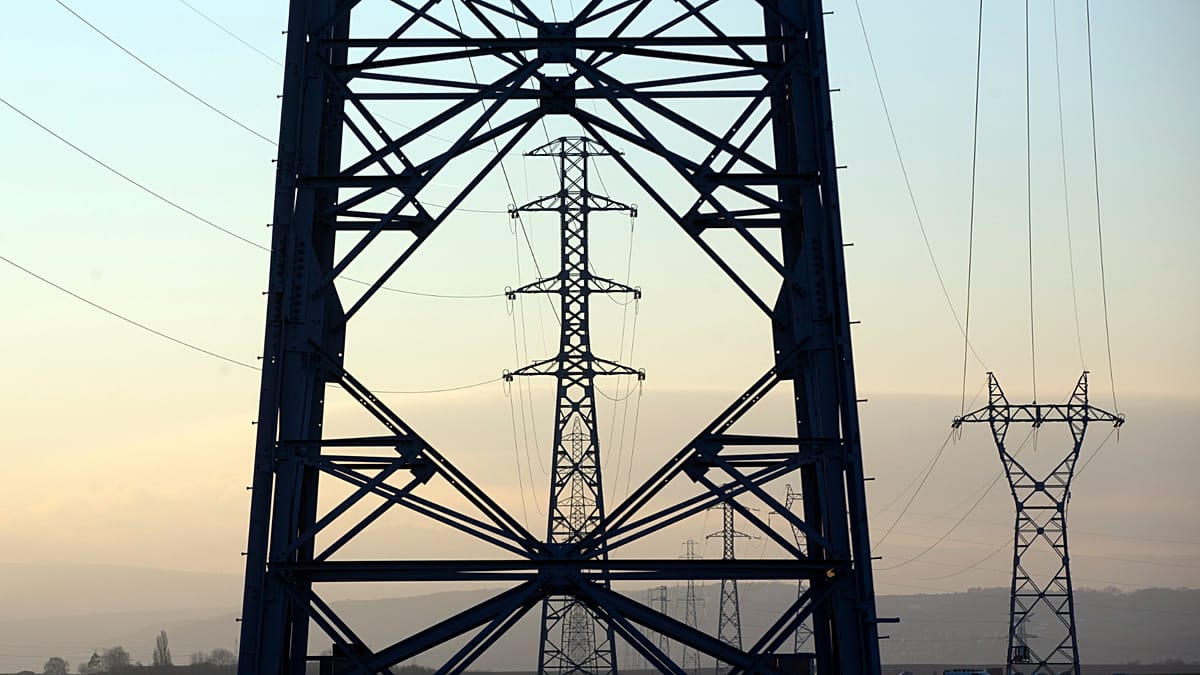
While consumers often focus on electricity prices, the Commission is also looking at the costs of maintaining and expanding Europe’s electricity networks — a vital element for the success of the bloc’s energy transition.
The International Energy Agency has warned that the capacity to connect to and transmit electricity isn’t keeping pace with the rapid growth of clean energy technology like solar and wind power, electric cars and heat pumps.
According to figures in the Commission’s draft document, the combined cost of grid charges and taxes reflected in electricity bills often outweighs the price of the electricity consumed. Network charges accounted for roughly 24–29% of household bills and 21% of business bills, while national taxes and levies added another 24% for households and 16% for firms.
These costs are expected to rise significantly as the EU invests in electrification while integrating more renewable energy into the grid. Annual grid investments could double to between €75 billion and €100 billion, the draft document states, with total grid costs potentially increasing by 60% by 2050.
Negotiations among EU member states are expected to be challenging, as taxation remains a national competence and efforts to harmonize tax rules across the bloc are likely to face resistance. Governments will also need to balance the potential loss of tax revenue against the economic benefits of reducing energy costs.
Sweden has emerged as one of the most outspoken EU countries against the Commission’s power grid plan. Recently, Stockholm announced plans to halt construction of a new power cable to Denmark, in response to the Commission’s proposal to use revenues from electricity congestion charges to revamp the bloc’s electricity infrastructure.
The Commission’s solution is to redesign tariff structures so that both grid operators and consumers are rewarded for using infrastructure more efficiently. Households and businesses could increasingly face charges that vary according to time and location, encouraging electricity consumption when clean power is abundant and grid congestion is low.
In practice, this means electricity users may be encouraged to charge electric vehicles, run industrial processes or use heat pumps during periods when solar and wind generation are plentiful.
The mass deployment of smart meters, digital devices that automatically record electricity or gas consumption in real time, is also essential if consumers are to respond to dynamic tariffs and benefit from lower-cost electricity periods, according to the document.
The Commission wants every member state to ensure that at least 50% of customers have smart meters by 2030, with coverage increasing to 65% by 2033. It argues that broader deployment will also improve visibility of grid conditions and reduce the need for expensive infrastructure upgrades.
The legislative proposal is due on 15 July.