

Published on
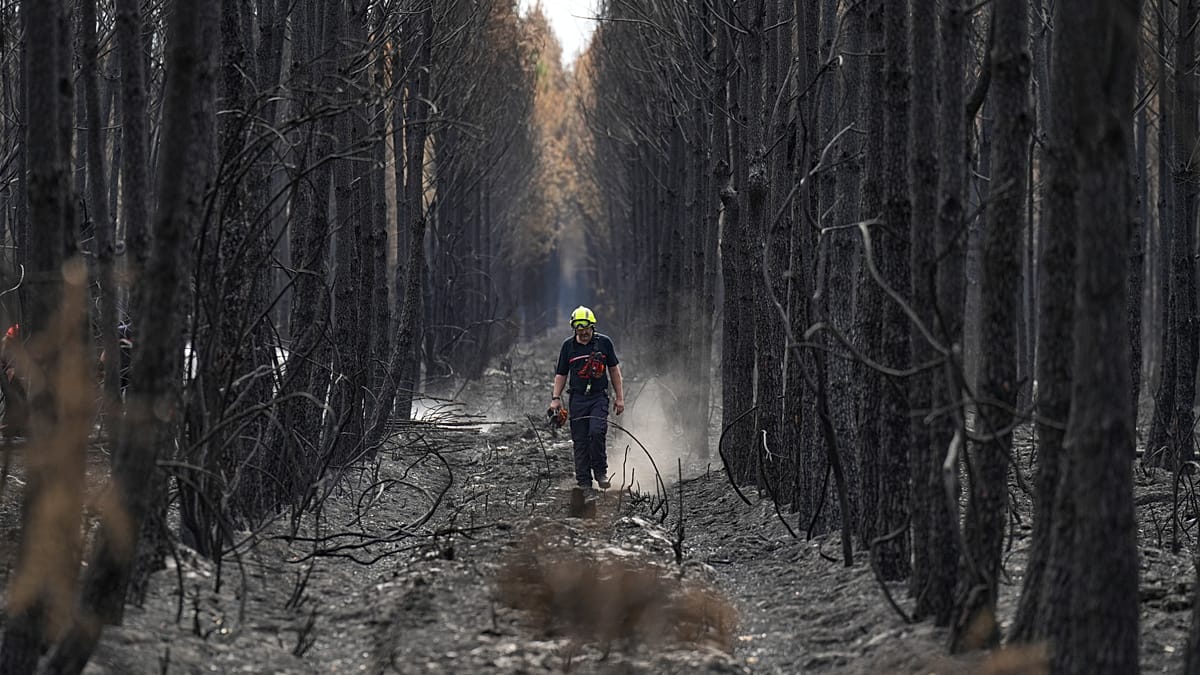
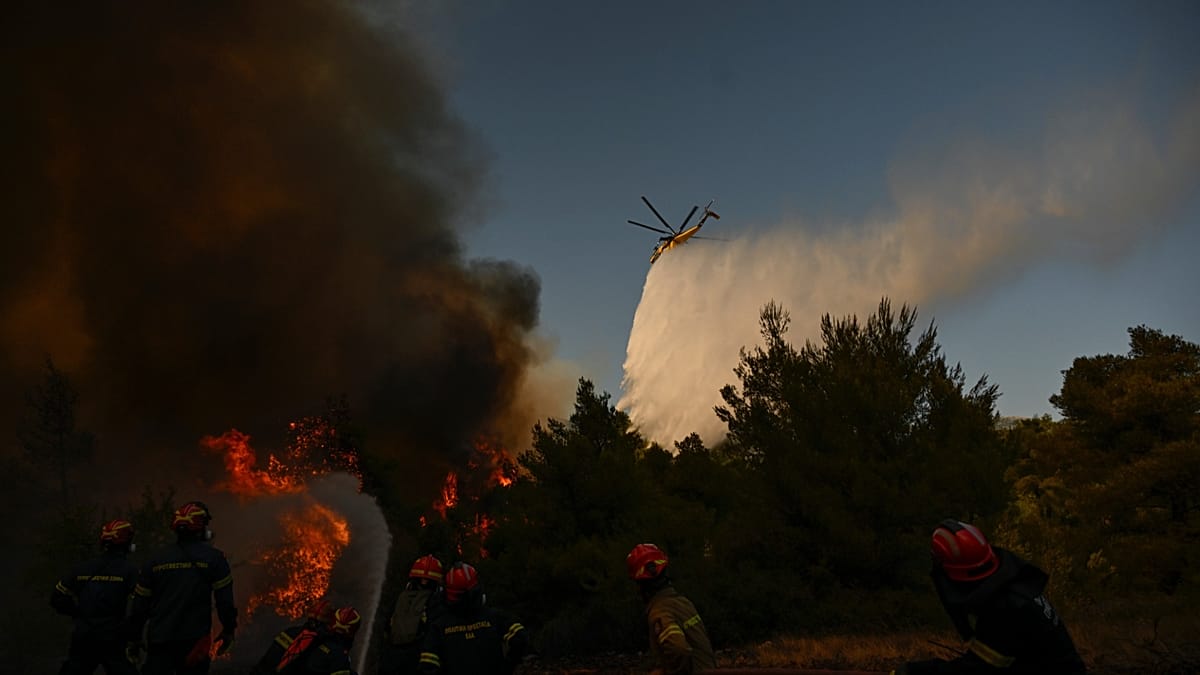
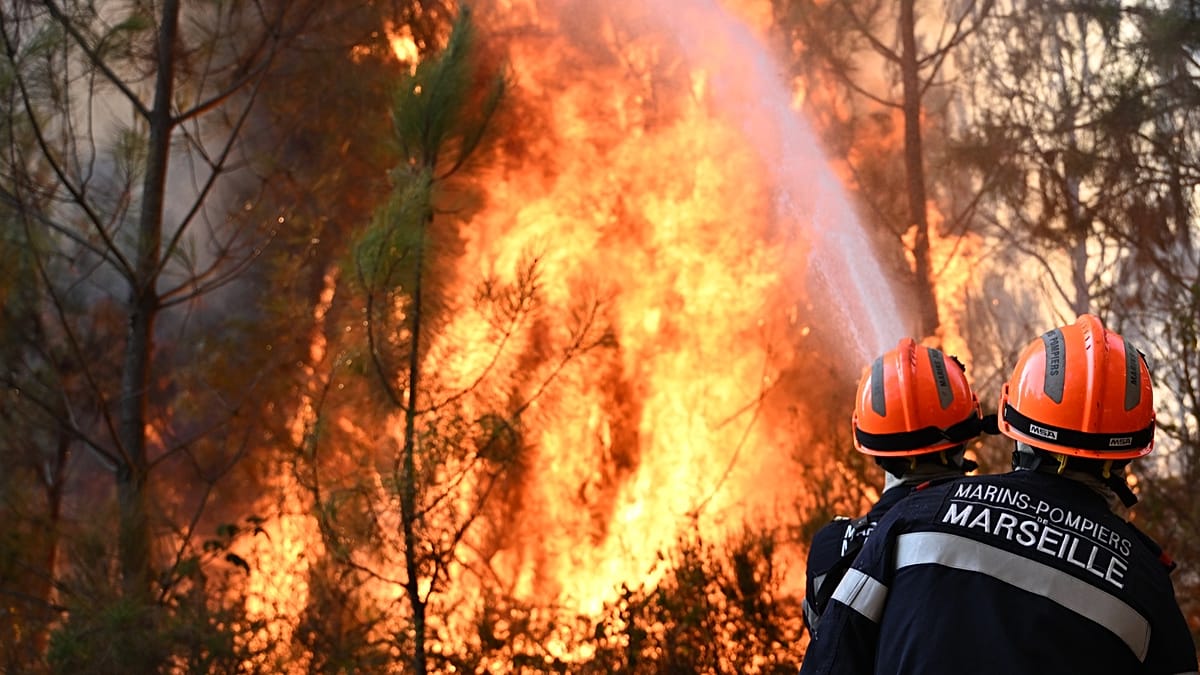
As fires tear through France, Spain, Greece and Italy this summer, the EU has triggered its largest-ever wildfire response. Paris activated the EU Civil Protection Mechanism, and the bloc has sent seven planes and four helicopters to France, plus six planes, 134 personnel and 41 vehicles to Spain.
ADVERTISEMENT

ADVERTISEMENT
The response runs through a layered system. The Emergency Response Coordination Centre in Brussels matches requests with offers from member states around the clock. Behind it sits rescEU, the EU’s own reserve of firefighting aircraft, deployed when national resources run short.
For 2026, the EU pre-positioned 777 firefighters from 14 countries and kept 22 planes and five helicopters on standby, backed by a new firefighting hub in Cyprus. It’s also spending roughly €600 million on 12 permanent rescEU aircraft. The Copernicus satellite service maps fire zones in real time, while EFFIS forecasts danger levels up to 10 days ahead.
But Brussels itself is candid about the limits: once a fire front stretches for kilometres in extreme heat, aircraft can contain it, not extinguish it. That’s why the Commission’s March 2026 strategy pushes prevention, land management, firebreaks, early warning, alongside firefighting.
Do you want to know how a specific EU tool works? Ask the Euronews AI chatbot!