



NEWYou can now listen to Fox News articles!
Michigan authorities have identified the man responsible for the murder of 16-year-old Sheri Jo Elliott, putting an end to a four-decades-old cold case and marking the latest crime to be solved using advanced DNA technology.
Roni Collins, a 75-year-old resident of Grand Blanc, has been named as Elliott’s killer, according to the Michigan State Police.
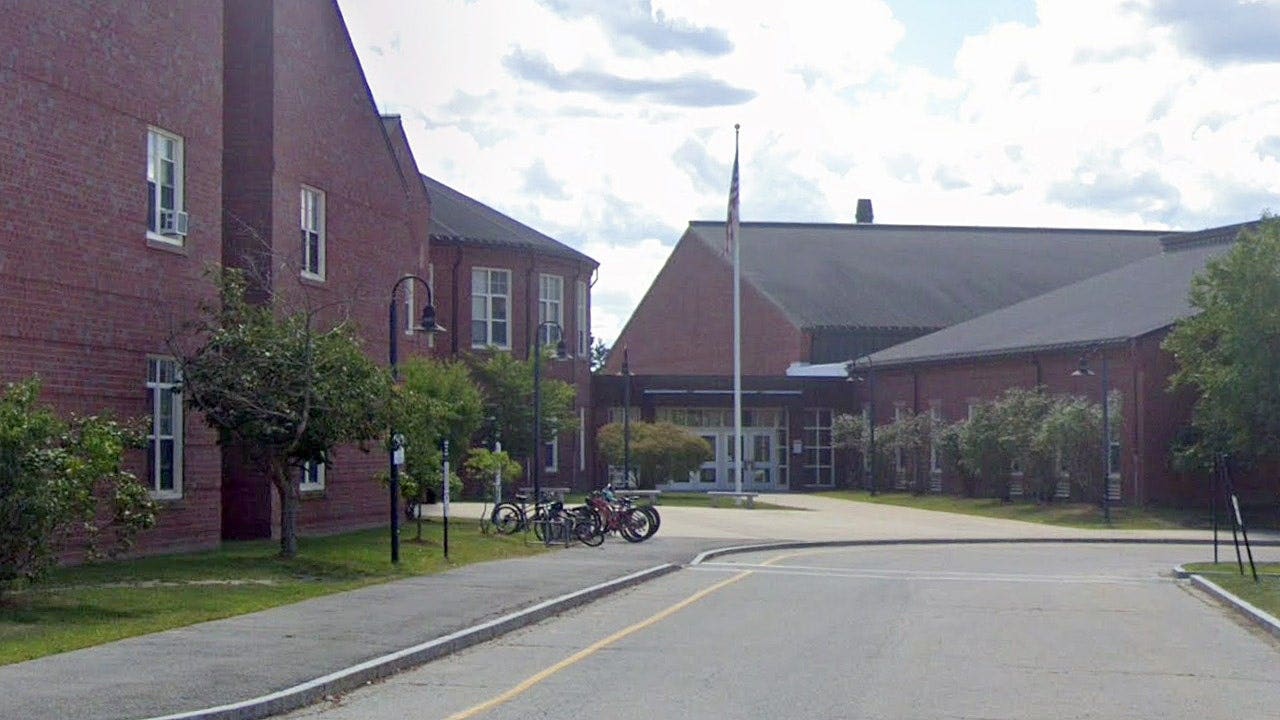
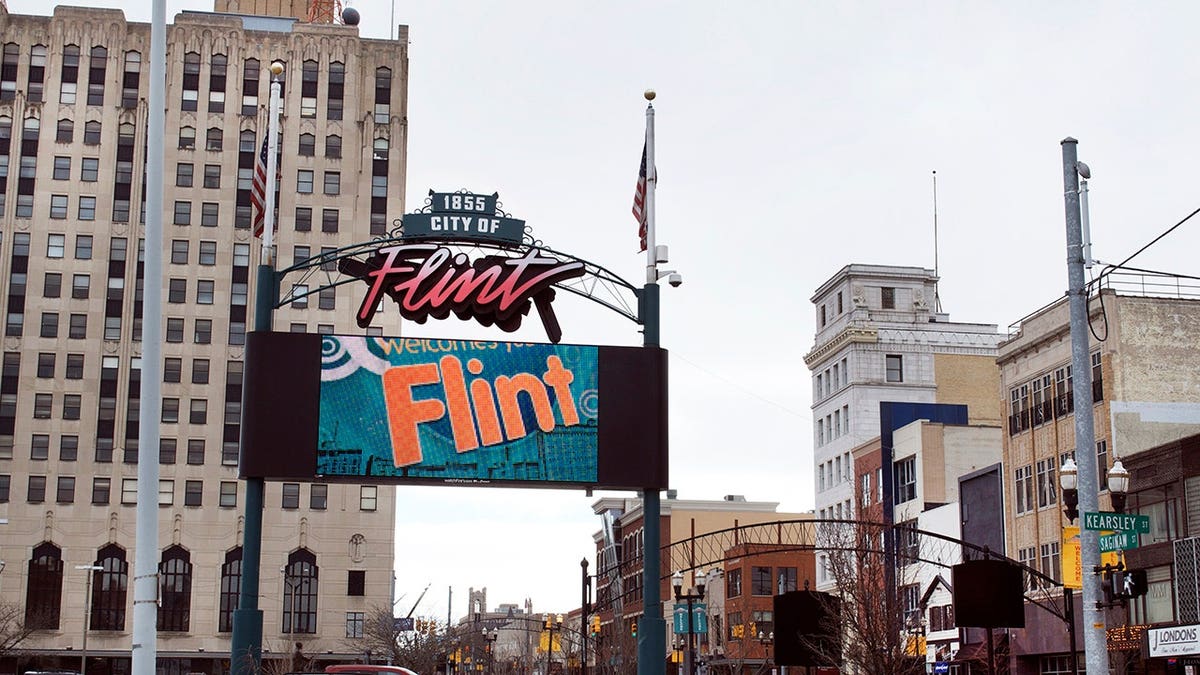
On Nov. 16, 1983, Elliott left her home in Flint to walk to the bus stop and was never seen again.
She was reported missing several hours later when she failed to return home from school.
GENETIC GENEALOGY THAT CAUGHT NOTORIOUS KILLERS NOW USED IN NANCY GUTHRIE CASE
Authorities searched alongside Elliott’s family for several days in an agonizing effort to locate their missing loved one.
“It was terrible. But we went and passed missing signs to everybody you know in the neighborhood and in town and stores would put the missing in the windows,” Elliott’s aunt, Judy Sika, told FOX 66.
Four days after her disappearance, Elliott’s body was discovered in a ditch in nearby Saginaw County.
An autopsy revealed she had been sexually assaulted and shot multiple times, according to authorities.
FOLLOW THE FOX TRUE CRIME TEAM ON X
“You just don’t know what a terrible thing it is in your mind when they tell you they found her body,” Sika told FOX 66. “That was awful.”
However, a break in the case came after the MSP reopened the investigation in 2023 alongside the Western Michigan University Cold Case Program to take a fresh look at the evidence.
SIGN UP TO GET TRUE CRIME NEWSLETTER
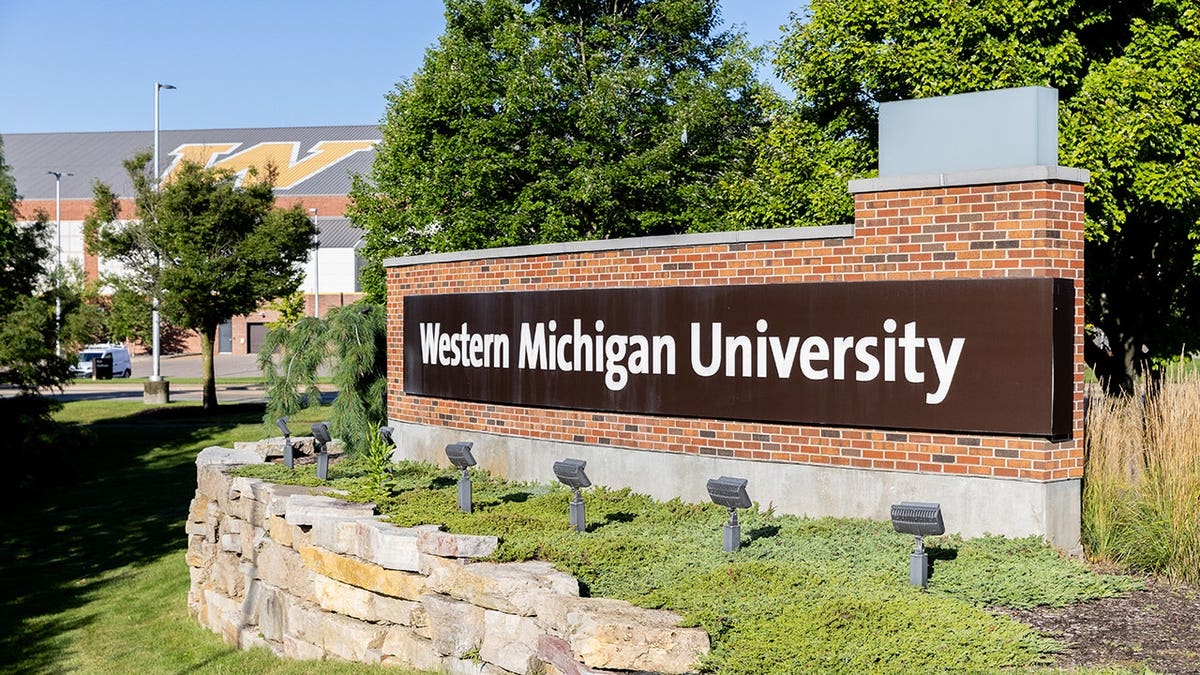
“The students assisted in reorganizing and digitizing decades of investigative material, providing critical support to the renewed investigation,” MSP said in a statement.
The newly reexamined evidence led police to Collins, but not before he died by suicide in January of this year before authorities could obtain a voluntary DNA sample.
SEND US A TIP HERE
Using DNA collected from Collins’ autopsy, investigators “analyzed and conclusively matched evidence recovered from Elliott in 1983, identifying him as the individual responsible for the crime,” MSP said.
The case is only the latest to use forensic genetic genealogy to lead investigators to the individual responsible for a long-unsolved murder.
LISTEN TO THE NEW ‘CRIME & JUSTICE WITH DONNA ROTUNNO’ PODCAST
“They worked up logical family members, and that can be a thousand people that you have to vet and verify who could probably be related to this person,” Tom Myers, a retired FBI forensic agent, told Fox News Digital.
“Then you start to develop who’s the likely person,” Myers added. “It’ll usually come down to three or five people like that. Or sometimes, maybe it’s one person who stands out and then when you crosscut that with somebody who’s been a bad boy their entire life then that’s a good chance that that’s who your person is.”
LIKE WHAT YOU’RE READING? FIND MORE ON THE TRUE CRIME HUB
According to Myers, the reality of testing cold case evidence also comes with the possibility that samples may have been damaged or degraded over time. However, the implementation of genetic genealogy has made it easier for investigators to do more, with less.
“They now can get DNA from a single hair strand, versus a strand of hair with a follicle,” Myers said. “In the 1980s to 1990s, it was a nickel-sized stain down to a dime. Now, it’s three to five skin cells – you can’t even see it. That’s the DNA.”
CLICK HERE TO DOWNLOAD THE FOX NEWS APP
In light of yet another cold case being solved by genetic genealogy testing, Myers insists the new technology will likely act as a deterrent for aspiring criminals who may rethink their crimes due to the increased possibility of being caught.
“Investigative genealogy is more comprehensive and, of course, a bigger thing,” Myers told Fox News Digital. “But if [investigators are] on top of their game, you better be afraid, because they’ll get it.”