


Fourteen cross-border electricity and hydrogen projects were awarded €650 million from the European Commission on Wednesday as part of the bloc’s plan to modernise ageing grid infrastructure and maximise the use of clean power.
Spain will get €180 million, Poland, Estonia, Latvia and Lithuania will receive €112 million and another cross-border project in Romania and Bulgaria is set to get €103 million.
The three represent the top major projects benefiting from EU funding for electricity infrastructure, including smart grids, according to the European Commission.
Austria (€1 million), Greece-Egypt (€9 million), and Slovakia (€62 million) are also among those listed to get EU funding to revamp the electric infrastructure.
Under the Connecting Europe Facility (CEF), the funds will support grid infrastructure and renewable energy projects to boost solar and wind power, as outlined in the European Commission’s recent initiative to modernise electricity networks and promote cross-border collaboration.
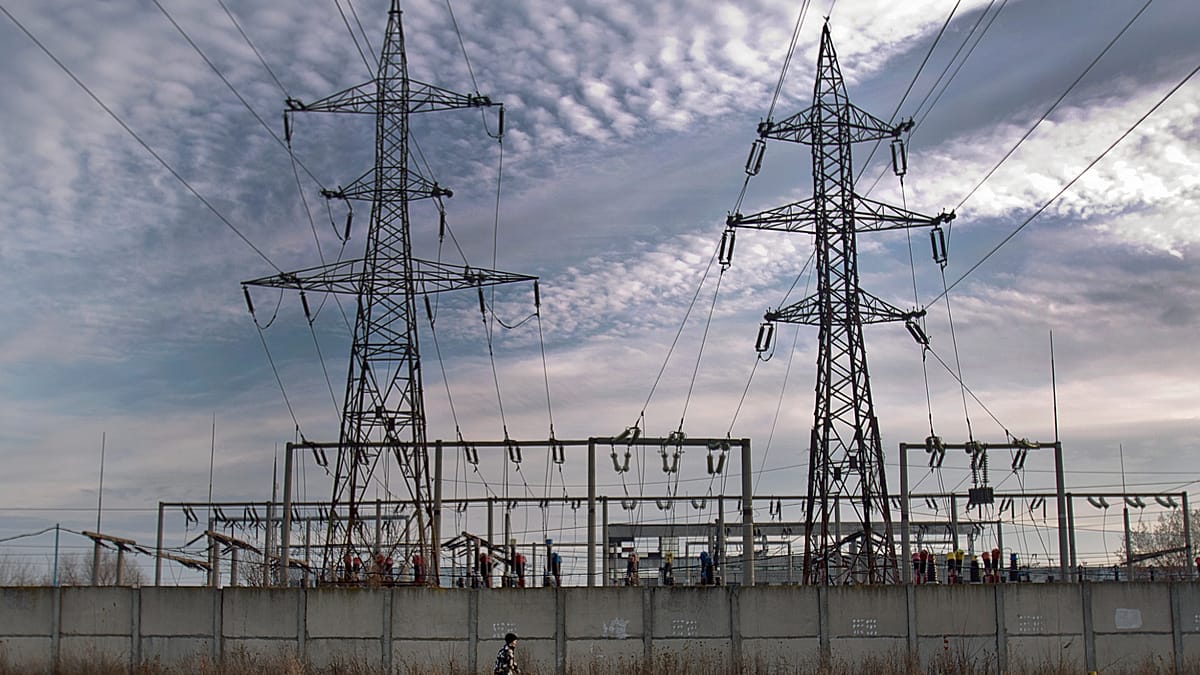
Ageing grid infrastructure often lacks the flexibility, capacity, and digital controls needed to handle wind and solar power, leading to congestion, curtailment, and ultimately wasting zero-carbon electricity — a challenge highlighted by the power industry.
The industry warned that without significant upgrades — such as expanded transmission, smarter controls, and energy storage — the grid can become a bottleneck, turning an abundance of clean energy into both an operational and economic burden rather than a climate solution.
With the EU’s financial injection, Spain will develop the Aguayo hydroelectric power plant, aiming to deliver 9-10 GW of generation by 2027, enough electricity to power approximately 7.5 to 12 million homes.
The cross-border project involving Poland, Estonia, Latvia and Lithuania will increase Baltic cooperation by aligning their infrastructure, a business venture of critical importance given their proximity to Russia, the Commission said.
Major goals for Romania and Bulgaria’s cross-border project are to modernise their electricity infrastructure to meet smart grid standards for both distribution and transmission networks and to increase regional interconnectivity.
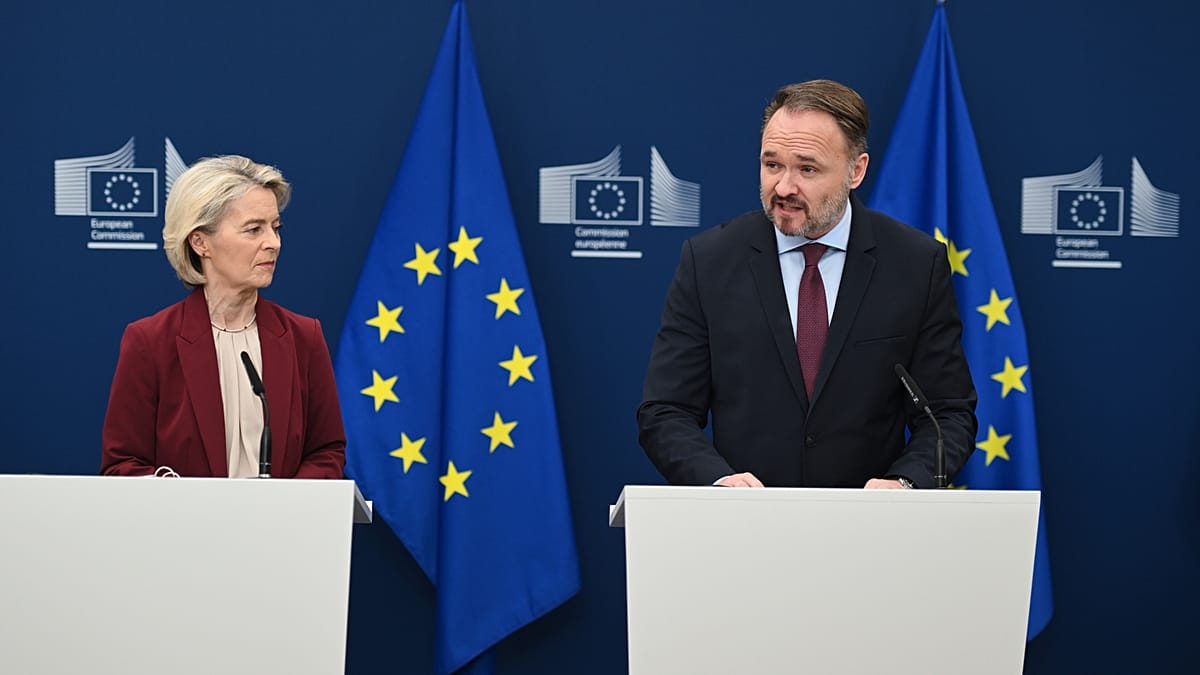
European Commissioner for Energy and Housing Dan Jørgensen said these works will pave the way to “deliver clean and cheap energy to consumers,” contributing to the bloc’s energy sovereignty.
“The projects we are supporting financially will enhance Europe’s competitiveness and energy security, bringing us on a steady pathway towards independence,” Jørgensen said.
Hydrogen storage and terminals
Germany tops the EU in funding for hydrogen projects, with a Gronau-Epe REW-led storage infrastructure project slated to receive €120.11 million, while a hydrogen terminal led by Uniper Green Wilhelmshaven is set to receive €10.63 million.
The Netherlands’ ACE hydrogen terminal in the Port of Rotterdam will receive €25.62 million from the EU.
The project is being developed by the Dutch network gas operator Gasunie alongside multinational energy companies such as HES International and Vopak to receive, store and convert ammonia back into hydrogen for industrial use.
Austria, Bulgaria, France and Slovakia were also listed as recipients of funding for hydrogen projects.
At least 100 hydrogen infrastructure projects were eligible in November 2025 to receive EU funding under the bloc’s law to develop cross-border energy infrastructure.
Critics argued that more than 90% of these projects were submitted by gas transmission operators, which runs counter to the 2022 revision of the law, intended to align the EU27’s energy and climate goals.
Under the EU’s renewable energy law, the 27-member bloc is set to produce 10 million tonnes of hydrogen by 2030 and is slated to import an additional 10 million tonnes.
The next call for proposals for energy infrastructure under the CEF is scheduled for April to June.