Published on
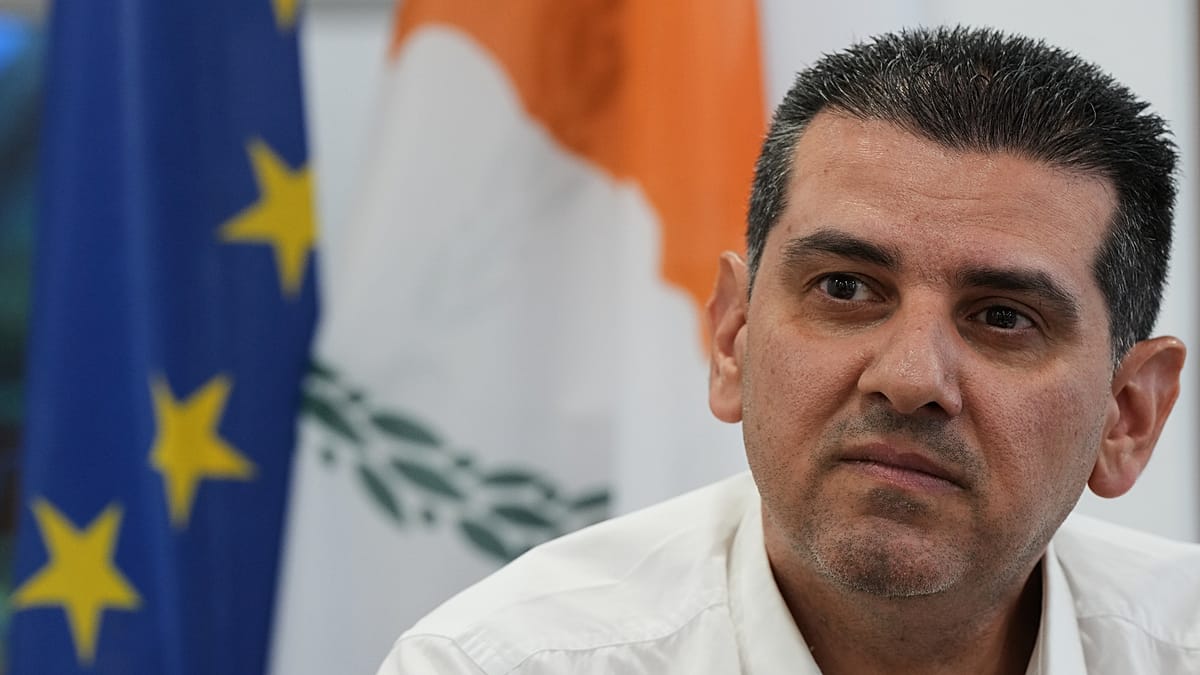
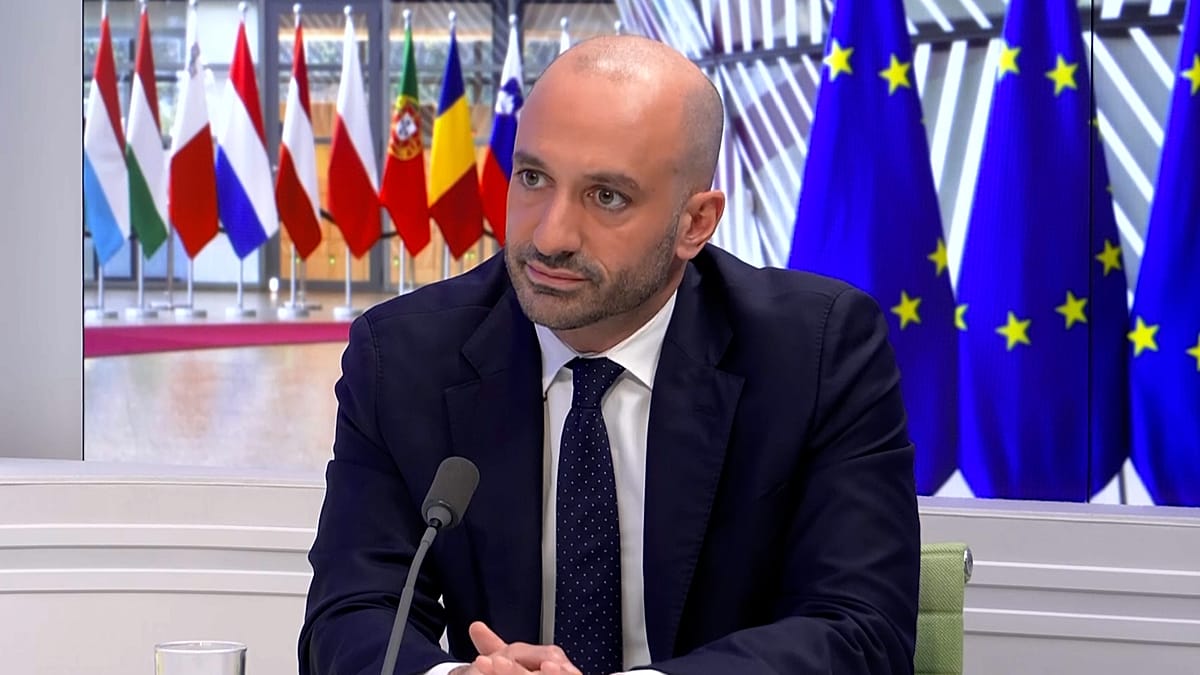
Europeans should be “ready to have their own diplomatic track” to Moscow, but the “priority” should be supporting Ukraine and increasing pressure on Russia, France’s EU Affairs Minister Benjamin Haddad has told Euronews as the European Union mulls naming an envoy to talk to the Kremlin.
ADVERTISEMENT

ADVERTISEMENT
Speaking in an interview on Tuesday, Haddad said Russia is “not engaging seriously in diplomacy” and “not interested in a ceasefire or peace”, adding that Moscow is also “losing ground” both on the battlefield and diplomatically.
“It (Russia) was hoping for a long time to divide Europeans, that we would weaken our resolve. We’ve seen exactly the opposite,” Haddad said.
“What we’ve seen is Europeans stepping up and providing the bulk of the support to Ukraine. And we see Russia losing ground everywhere diplomatically,” he added, citing Armenia as one of the countries traditionally in Moscow’s orbit which has shifted towards Europe in the wake of the 2022 full-scale invasion of Ukraine.
On Thursday, EU foreign ministers are expected to raise the question of whether the bloc should break the diplomatic isolation imposed on Russia in early 2022 and engage in direct peace talks.
The French President Emmanuel Macron, along with Italian Prime Minister Giorgia Meloni, had initially endorsed direct European involvement in the talks, saying dialogue with Russian President Vladimir Putin would be “useful”.
Europeans had been excluded from US-brokered talks, which have stalled in recent months, raising concerns that Europe’s future security was being negotiated by the US on its behalf.
Macron also sent his diplomatic advisor, Emmanuel Bonne, to the Kremlin in February for negotiations, only to be rebuffed by Russia’s Foreign Minister Sergei Lavrov.
Yet Haddad’s comments suggest a more cautious approach from Paris, which aligns more closely with that of eastern nations more sceptical of sitting around the table with Putin.
On Tuesday, Estonian Foreign Minister Margus Tsahkna pointedly warnedthat direct talks would turn the EU into a “neutral mediator” expected to provide sanctions relief to Moscow. Meanwhile, Latvian President Edgars Rinkēvičs said that Russia would try to turn any outreach into a “PR game” and the EU would “end up more or less with nothing”.
Haddad also voiced support for Ukraine’s EU membership bid, which President Zelenskyy has framed as a key component of the country’s future security guarantees.
A proposal by German Chancellor Friedrich Merz to provide Kyiv with “associate” status – such as a seat at the table during Council discussions without full voting rights – has been met with scepticism, as officials in Brussels continue to try to square the circle of offering swift integration without reneging on the strict accession criteria that has long been championed by France.
“I understand the need to send a message, to send a signal to the Ukrainian population that we want Ukraine down the road to be a member, a full member of the European Union,” Haddad said.
“So we’re ready to work also on how to (…) perfect that gradual integration. And I think opening the debate, and opening the conversation on this is positive.”