Published on •Updated
Malaysia is seeking more than $251 million (€216 million) in compensation from a Norwegian company over a scrapped deal to supply a missile system for new warships, the defence minister said on Tuesday.
ADVERTISEMENT

ADVERTISEMENT
Mohamed Khaled Nordin said the government had sent a notice to Kongsberg Defence & Aerospace demanding compensation for both “direct and indirect costs” over Norway’s decision to revoke export approvals for the missile system, sparking a diplomatic row.
Oslo’s foreign ministry has confirmed “that certain licences related to the export of specific defence technology to Malaysia have been revoked.”
This was “solely due to Norway’s application of the export control regulations and it is regrettable that this affects Malaysia,” the ministry said, adding that it could not comment on individual contracts.
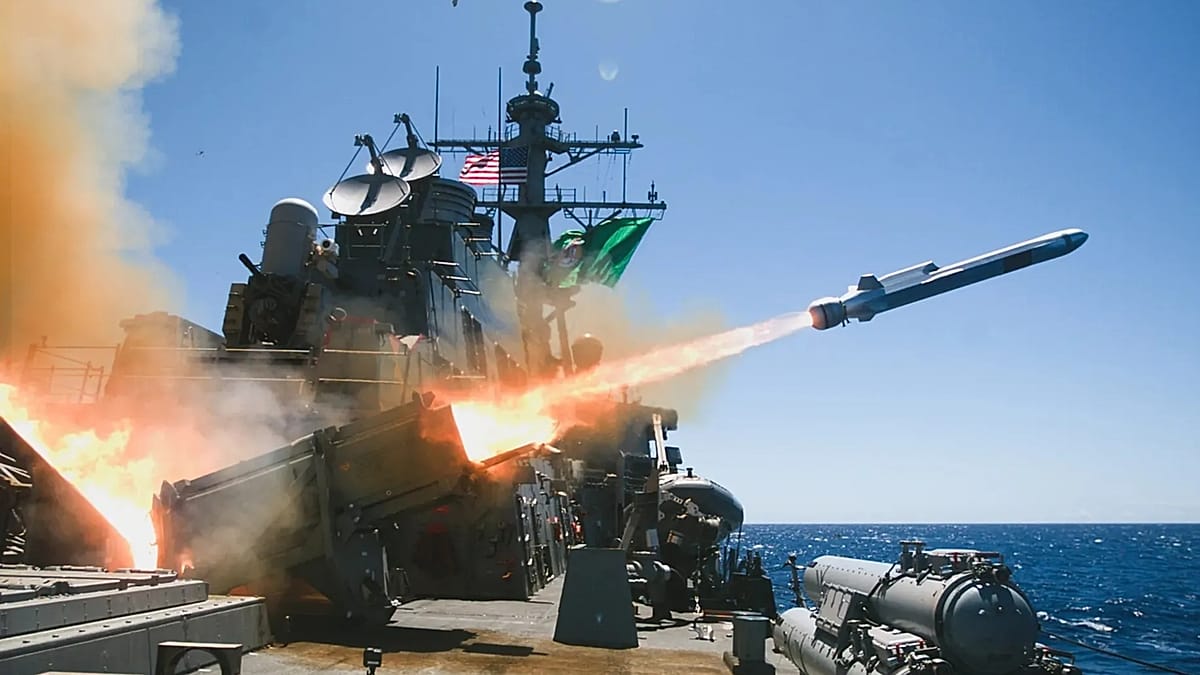
The move had blocked delivery of the Naval Strike Missile system as well as launcher components that had been destined for Malaysia’s littoral combat ship programme under the terms of a 2018 deal.
Mohamed Khaled told reporters at the Lumut naval shipyard, about 160 kilometres from the capital Kuala Lumpur, that Malaysia was seeking a total of more than 1.0 billion ringgit (€216 million) in compensation.
“The direct costs amount to €126 million, which we have paid to them, and we are also seeking indirect costs,” he said.
Malaysian Prime Minister Anwar Ibrahim said last week he raised his “vehement objection” in a phone call with his Norwegian counterpart Jonas Gahr Støre, calling the decision “unilateral and unacceptable.”
Anwar warned the decision “will have grave consequences for Malaysia’s defence operational readiness and the Littoral Combat Ship (LCS) modernisation programme.”
The LCS programme, first approved in Malaysia in 2011 with an initial contract worth 6 billion ringgit was for six vessels.
The deal, which had been plagued by allegations of mismanagement and rising costs, was relaunched in 2023 following a government review, with the number of ships reduced to five.
Delivery of the first vessel, expected in August, has been pushed back to December due to delays in equipment deliveries and ongoing rework, according to officials in local media reports.
Mohamed Khaled said Norway’s decision had raised questions about the “reliability of international commitment” of defence partners, especially involving Western countries and members of NATO.
“What has happened to us is not just a defence procurement issue…but it reflects a larger problem, namely an erosion of trust among countries in international relation matters,” he said.
“What Norway has done may be emulated or done by other countries.”
Local media reported that Mohamed Khaled will meet with his Norwegian counterpart Tore O. Sandvik in Singapore later this month during the annual Shangri-La Dialogue defence forum.
Additional sources • AFP