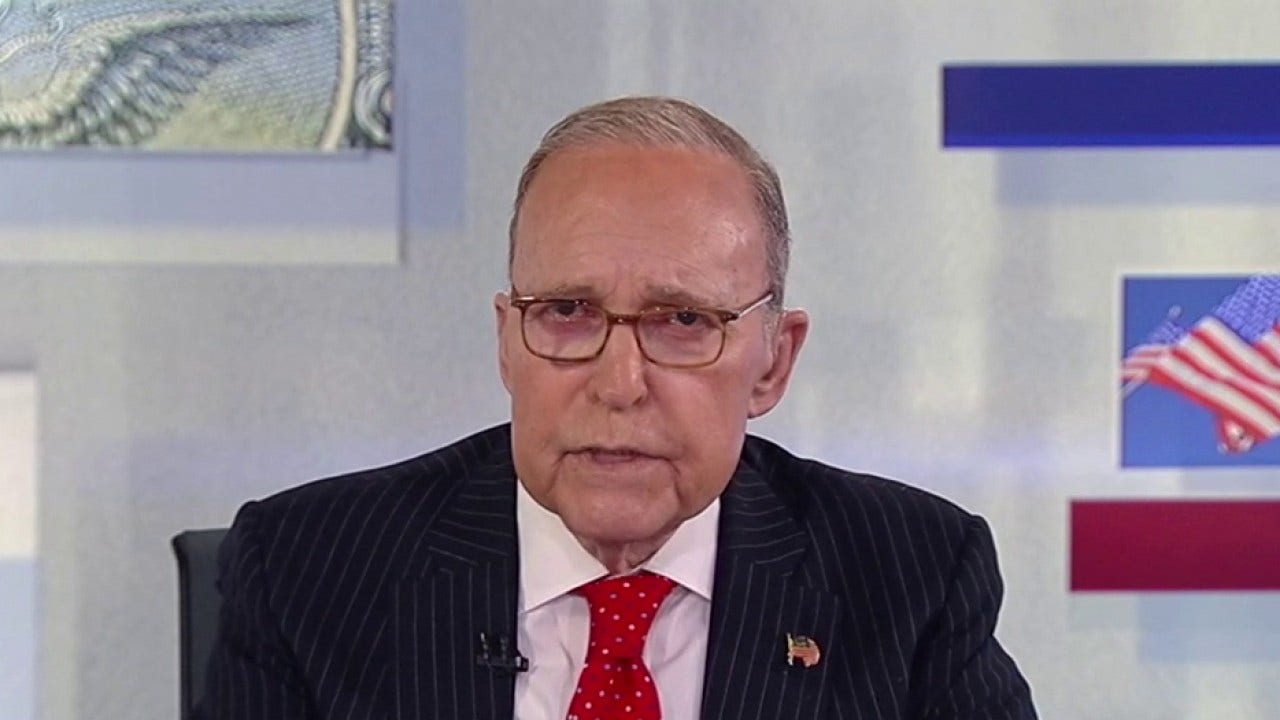




Federal Reserve Bank of New York President John Williams warned that the effects of the Iran war on energy prices could spread across multiple sectors of the economy.
FOX Business host Liz Claman noted during her interview with Williams Thursday on “The Claman Countdown” that gasoline is used in far more than transportation, including clothing manufacturing, asphalt and packaging.
“There’s a pass-through of energy prices into a lot of things that we buy, including airfares. … With higher fuel costs, airfares are going to go up,” William said.
“It will spread around. It typically takes us into other goods and services. That typically takes months or maybe a year to have that full effect.”
OIL, GAS PRICES JUMP AS TRUMP FLIRTS WITH STRIKING IRANIAN OIL INFRASTRUCTURE
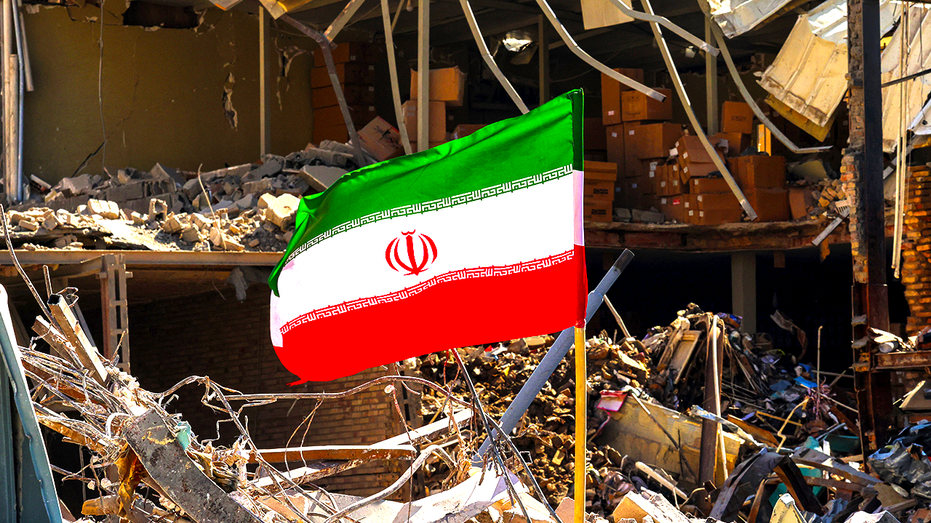
Williams’ comments come as oil markets continue to roil amid the conflict in Iran and after the closure of the Strait of Hormuz, a critical global oil choke point where about 20% of the world’s oil supply passes through annually.
The national average for a regular gallon of gas is over $4, up more than $1 since the war began, according to AAA.
The Fed president addressed the gas price spike, saying it puts a strain on household budgets already pressured by inflation.
ONE LITTLE-KNOWN MEETING HELPS DECIDE WHAT AMERICANS CAN AFFORD — AND WHAT THEY CAN’T
“Higher energy prices affect inflation. It affects also the disposable income that families have, too,” he said. “So, it hits both inflation, but also it hits demand in the economy.”
Williams added that the New York Federal Reserve is well-positioned for potential risks.
KEVIN O’LEARY SAYS REMOVING IRAN FROM STRAIT OF HORMUZ WOULD BE A GLOBAL ‘GAME CHANGER’
“I think monetary policy, with the actions we took last year and where we are today, is actually well-positioned to keep those risks in balance, and that’s what we need to do,” he told FOX Business.
However, President Donald Trump’s war on Iran was not a risk the bank could have anticipated, highlighting the limits of monetary policy in responding to sudden geopolitical shocks.
“We can’t control everything in terms of gas prices … changing, but what we can do is try to get monetary policy positioned so that those risks we achieve in our two goals are in balance,” Williams said.
CLICK HERE TO DOWNLOAD THE FOX NEWS APP
Williams went on to discuss his decision-making process for cutting or hiking interest rates, emphasizing the importance of an anticipatory approach.
“We have to be forward-looking,” he stressed. “We have to be looking where the economy is likely to be in the next year or two, because monetary policy actions, they don’t take the full effect on the economy for at least a year.”