
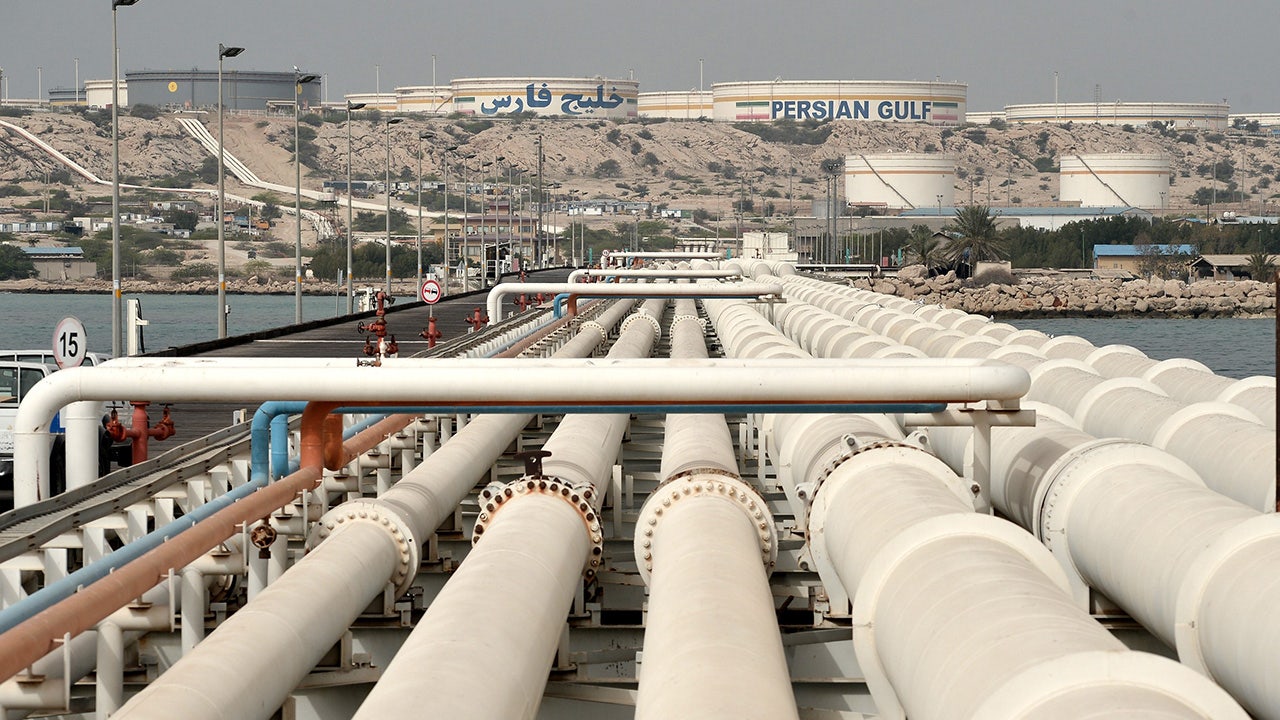
Oil prices fell on Monday to the lowest levels since early March following the announcement of a preliminary agreement between the U.S. and Iran to end the war that has strained the energy market.
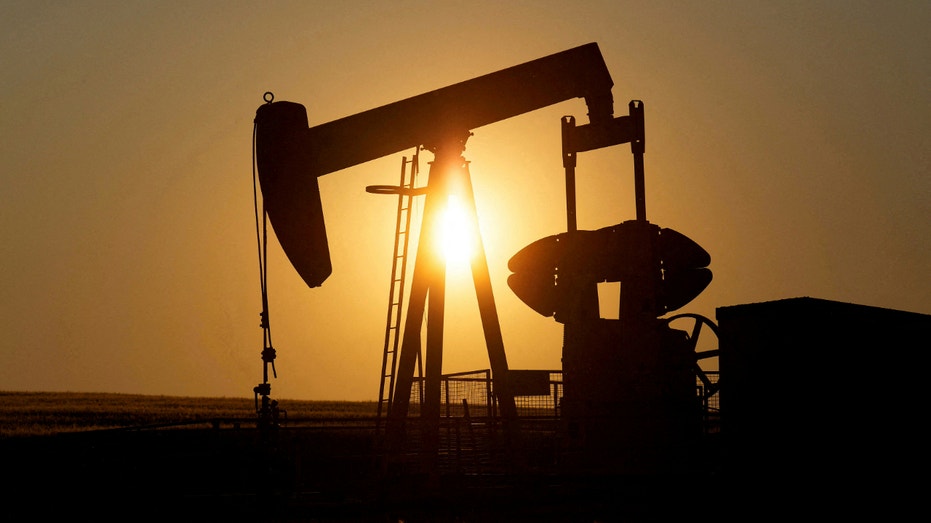
West Texas Intermediate (WTI) crude oil prices were down over 5% during Monday’s trading session on the news, trading just above $80 a barrel.
Despite that decline, prices for the U.S. oil benchmark remain well above their pre-war levels, as oil prices were between $60 and $70 a barrel in the month leading up to the beginning of the conflict.
Prices for Brent crude, the global benchmark, were down over 3.6% on Monday and were trading below $80 a barrel for the first time since early March.
US OIL RESERVES DROP TOWARDS REAGAN-ERA LOWS, ‘SIGNIFICANT IMPACT AT THE PUMP’ COMING, EXPERTS WARN
The decline in oil prices occurred after President Donald Trump said that he signed a memorandum of understanding with Iran that aims to end the war, which has disrupted the flow of oil shipped via tankers transiting the Strait of Hormuz.
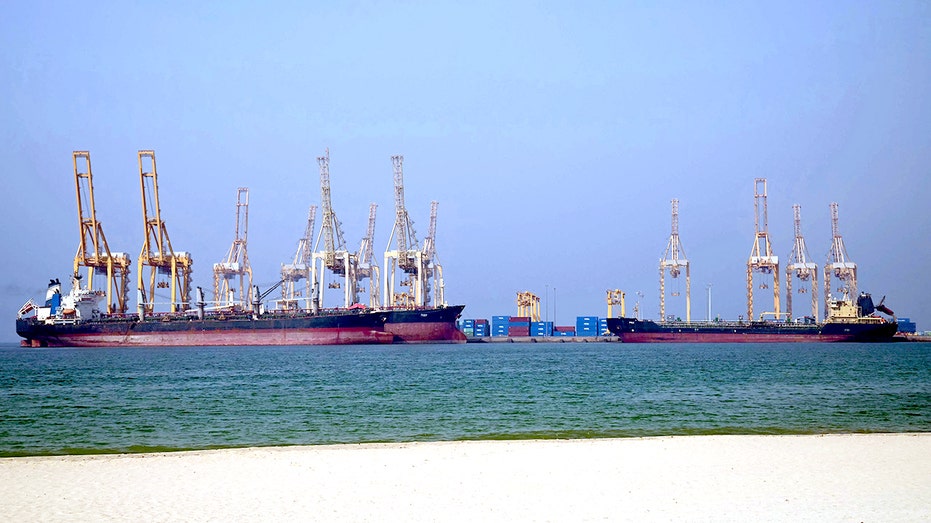
The vital chokepoint has had tanker traffic reduced substantially during the war, pushing oil prices higher and raising supply concerns in regions with limited oil production.
“The deal’s all signed. And the Strait is already partially opened,” Trump said after he arrived in France for the G7 summit.
ZELDIN TOUTS US ENERGY FUTURE, SAYS INDO-PACIFIC NATIONS INCREASINGLY INTEREST IN AMERICAN SUPPLY
An official signing ceremony is planned for Friday in Geneva, which is about an hour away from the summit’s location in Evian-les-Bains in the French Alps.
Trump was asked about when the Iran memorandum will be published publicly and said, “I think pretty soon, I would say. I mean, I want it to be released because it’s a very powerful document. It’s not like the Obama document, which was just a terrible document.”
“So probably pretty soon, I would say sometime after Friday, because the Strait opens – it’s open now, but it opens completely, we’ll have all the mines knocked out for the most part. We have a lot of lanes right now,” Trump said.
The president added that the agreement is “really a behavioral thing” when it comes to Iran because if “they do what they’re supposed to do, that starts taking effect.”
TRUMP OFFICIAL REVEALS WHERE CALIFORNIA GETS MUCH OF ITS OIL – AND CALLS IT A NATIONAL SECURITY THREAT
The deal to end the war with Iran is expected to ease pressure on the Federal Reserve to raise interest rates to curb inflation, which surged to a three-year high in May as gas prices hit consumers’ budgets.
BMO’s U.S. rates strategist, Vail Hartman, said that the “oil shock is not over, and we are not at the point of reviving hopes of interest rate cuts this year. We would need more concrete changes in the macro outlook.”
Reuters contributed to this report.
