
NEWYou can now listen to Fox News articles!
A new radar system has been installed at Ronald Reagan Washington National Airport in the Washington, D.C., area after a 2025 midair collision that killed 67 people due to multiple systemic failures.
The airport has received the Surface Movement Radar, known as SMR-4, Transportation Secretary Sean Duffy said Friday. The technology will help air traffic controllers identify aircraft and vehicles moving along runways and taxiways, even in bad weather and low-visibility conditions.
“This new radar is our latest reinforcement tool to equip our controllers as they safeguard our air travel. We’re working at the speed of Trump to deliver the world-class air traffic control system America deserves,” Duffy said.
AIR TRAFFIC CONTROL AUDIO CAPTURES TENSE MOMENT TWO PLANES NEARLY COLLIDED AT BOSTON LOGAN AIRPORT
He said the new radar system will give air traffic controllers a “clearer portrait” of airport activity.
Reagan Airport is the fifth airport to install the system. Newark Liberty International Airport received the technology earlier this week.
Over the next three years, $30.5 million will be invested in safety and technology upgrades at Reagan National, the Transportation Department said.
The new upgrades came after the Jan. 29, 2025, midair collision between American Airlines Flight 5342, a regional jet operated by PSA Airlines, and a U.S. Army Black Hawk helicopter over the Potomac River near the airport.
FAA INVESTIGATES SOUTHWEST NEAR MISS AFTER AIR TRAFFIC CONTROL SENDS JETS ON COLLISION COURSE
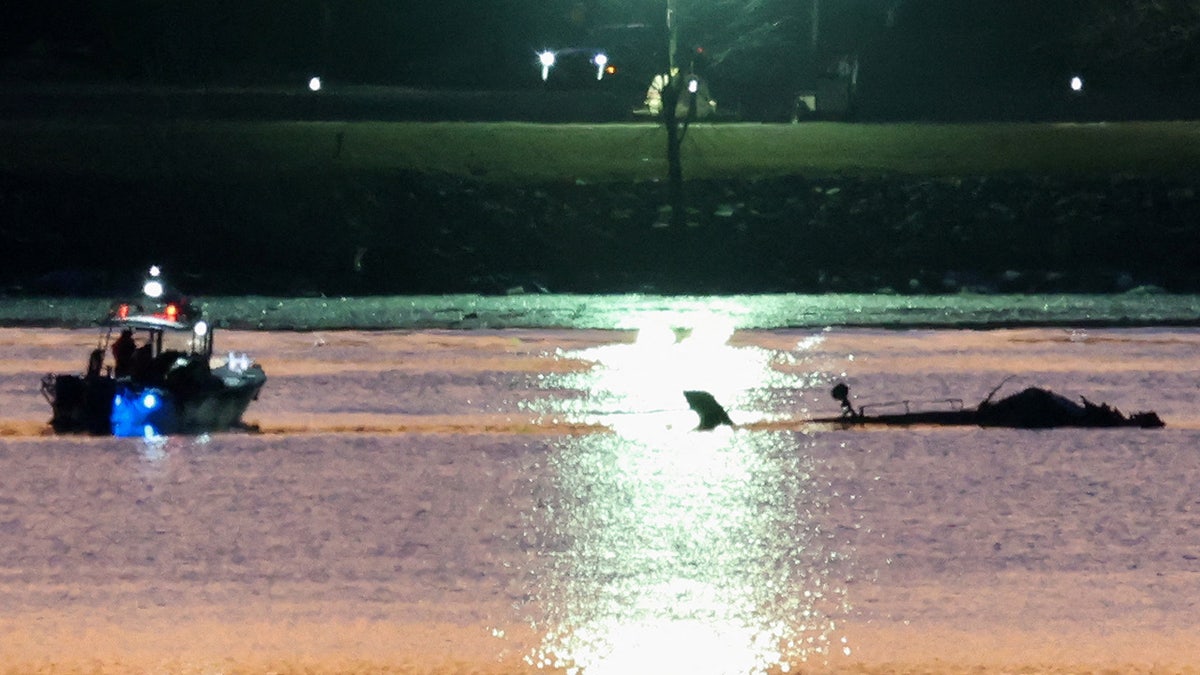
All 64 people aboard the American Eagle flight and three aboard the military helicopter were killed.
The federal government admitted liability for the deadly collision. The National Transportation Safety Board (NTSB) said systemic failures in airspace design, safety oversight and risk management by the Federal Aviation Administration and the Army contributed to what happened.
CLICK HERE TO DOWNLOAD THE FOX NEWS APP
“This complex and comprehensive one-year investigation identified serious and long-standing safety gaps in the airspace over our nation’s capital,” Jennifer Homendy, chairwoman of the NTSB, said in a January 2026 report.
“Sadly, the conditions for this tragedy were in place long before the night of Jan. 29.”
