


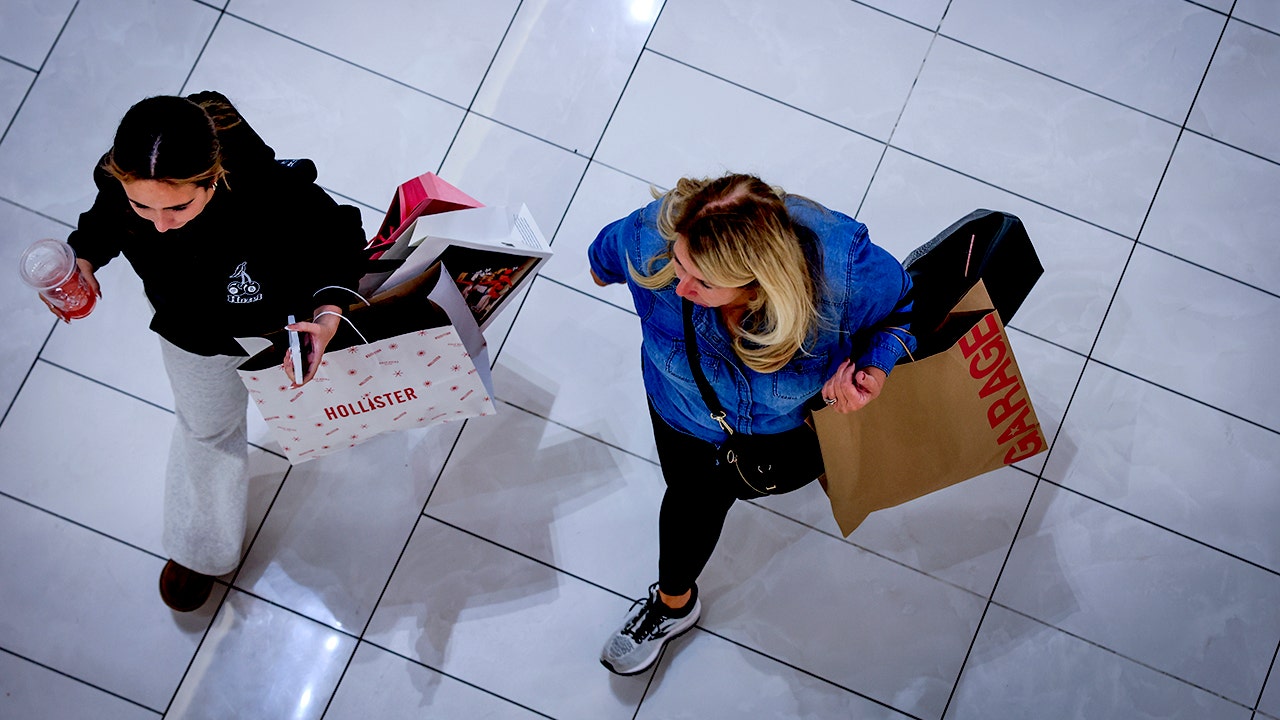
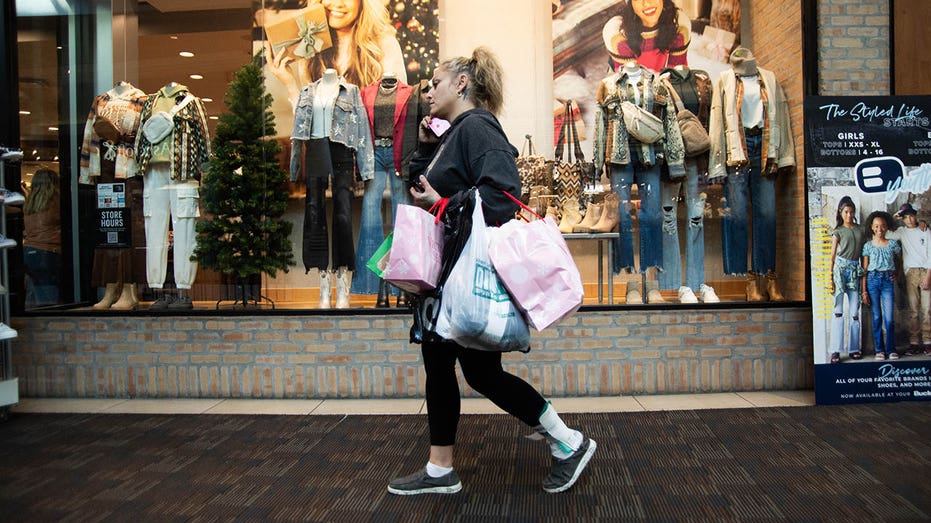
Scams spike during the holiday season as criminals prey on consumers who are busy, distracted and, most notably, spending more money online. This year, things are worse, according to an industry expert.
Cybersecurity expert and former FBI operative Eric O’Neill told FOX Business that scammers are using AI to personalize their attacks, making it even harder for consumers to decipher what’s real and what’s fake.
“They can mimic voices, draft convincing texts and emails and push out thousands of targeted messages in seconds,” O’Neill said.
EMPTY BOXES AND MISSING PARTS: SHOPPERS ARE EXPLOITING RETAIL RETURN POLICIES
The ones that are fooling consumers the most are schemes that “blend into normal holiday life,” such as fake delivery texts when everyone’s waiting for packages, look-alike retail sites promising deals that disappear the moment a customer pays, and bogus charity appeals that pop up just as people are feeling generous, O’Neill said.
He is also witnessing an uptick in AI-generated “family emergency” calls, which is when a cloned voice begs for money.
“It’s emotionally manipulative and brutally effective and costing families across the country thousands,” he added.
AMAZON GIVES SOME CUSTOMERS REFUNDS FOR RETURNS MADE YEARS AGO
Here are the scams to watch out for this holiday season:
AI-based impostor attacks
This is when a scammer is using artifical intelligence to clone the voices of people one trusts, such as a boss, spouse or kids, and calling or messaging in a panic asking for help.
Text or social media message scams, otherwise known as “smishing”
These are instances when someone gets a text claiming that their package is delayed and directing them to click a link to reschedule their delivery. However, the link takes the victim of the scam to a site designed to steal login credentials, financial details or install malware, according to O’Neill.
RETURN FRAUD PLAGUES RETAILERS, COSTS INDUSTRY OVER $100B IN 2023
Fake online stores and phantom deals:
Certain ads, like “70% off holiday mega sales” on social media, can be digital mirages.
“You pay, but nothing ever ships – and the criminals vanish with your payment info before you even realize what happened,” O’Neill said.
Fraudulent charities and impostor donations
In certain cases, O’Neill said that a “tear-jerking story hits your feed” about a disaster relief fund, a child in need, a local family raising money may pop up on social media, but it’s critical to look at the actual charity name in great detail. If the name is off by one letter, the donation may go straight into a scammer’s crypto wallet, O’Neill said.
Package delivery and shipping scams:
Fake FedEx or UPS alerts are very popular during the holiday shipping season. While they can look official, counterfeit carrier pages aim to “harvest your personal data or charge ‘release fees,'” according to O’Neill.
How to stay ahead of scams:
O’Neill said it’s important for consumers to turn on multifactor authentication everywhere as it will serve as “your best defense against stolen credentials.”
It’s also important to trust your gut, he said. “If it doesn’t feel right, it probably isn’t,” O’Neill said.
If a deal looks too good to be true, it likely is, O’Neill said. He also noted that consumers should avoid clicking ad links and should instead go straight to the retailer’s site and use credit cards for online purchases because they offer fraud protection.
If donating to a charity, it’s important to verify names through Charity Navigator or BBB Wise Giving.