
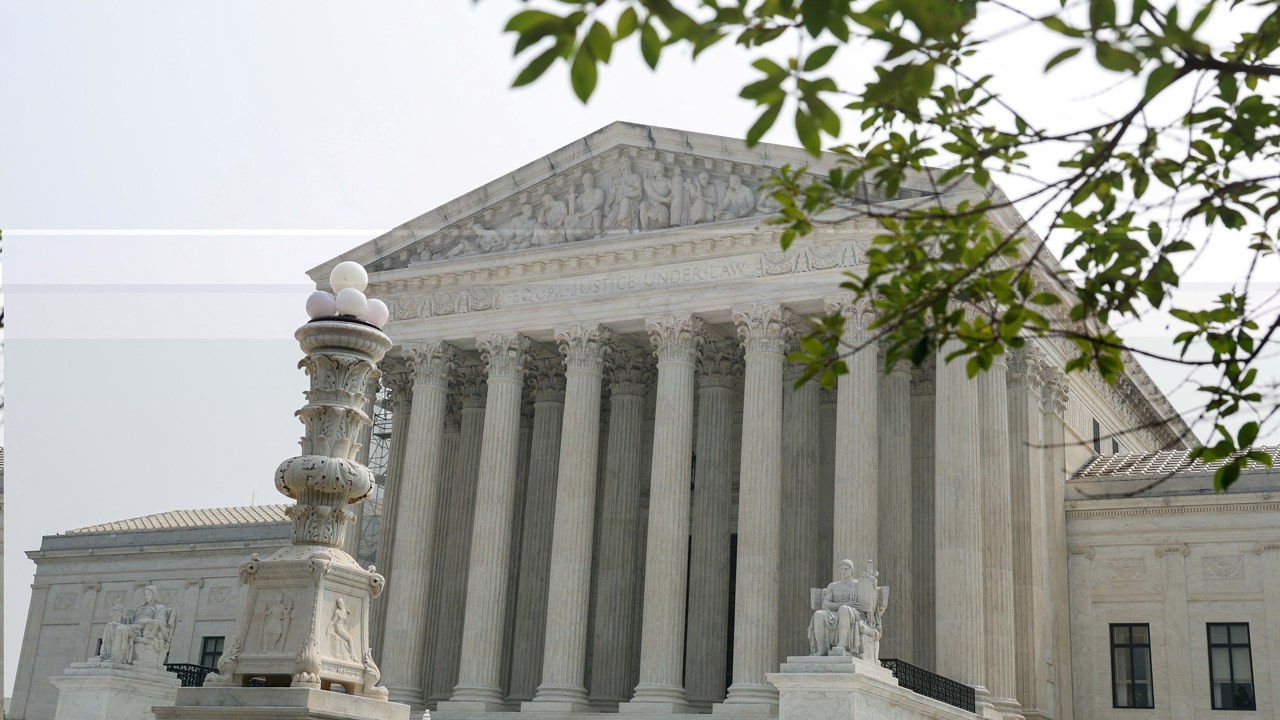
The Supreme Court on Tuesday issued a ruling that limits the use of a federal law to hold U.S. corporations liable for human rights abuses abroad when it dismissed a lawsuit that accused Cisco Systems of aiding the Chinese government’s religious persecution of the Falun Gong movement.
The 6-3 ruling reversed a lower court’s decision that had allowed a lawsuit filed by Falun Gong members in 2011 under the Alien Tort Statute of 1789.
The suit alleged that Cisco knowingly developed technology that enabled China’s government to surveil and persecute Falun Gong members.
The Alien Tort Statute had been effectively dormant for nearly 200 years before lawyers started to use it in the 1980s to bring international human rights cases, and the Cisco suit questioned whether it can be used to hold corporations liable if they “aid and abet” human rights abuses through “accomplice liability.”
TRUMP ADMINISTRATION PLANS NEW TARIFFS ON 60 TRADING PARTNERS OVER FORCED LABOR IMPORT ENFORCEMENT FAILURES
The Falun Gong movement was founded in China in 1992, and was banned by the Chinese Communist Party (CCP) in 1999, after thousands of the group’s members appeared at the central leadership compound in Beijing to stage a silent protest. The group has called for its members to denounce the CCP and has been heavily critical of its leadership in China.
Justice Amy Coney Barrett authored the majority opinion which supported Cisco’s argument that the law doesn’t support holding companies liable for aiding and abetting human rights abuses.
“Courts cannot create new rights of action to remedy violations of international law, so there is necessarily no liability for aiding and abetting such violations,” Barrett wrote as the ruling dismissed the claims against Cisco.
The Supreme Court’s ruling split the justices along ideological lines, with the six conservative justices in the majority and the three liberals dissenting.
COMPUTER WARS HEAT UP AS CHINESE SUPERCOMPUTER TOPS ALL US MACHINES IN SPEED FOR FIRST TIME SINCE 2017
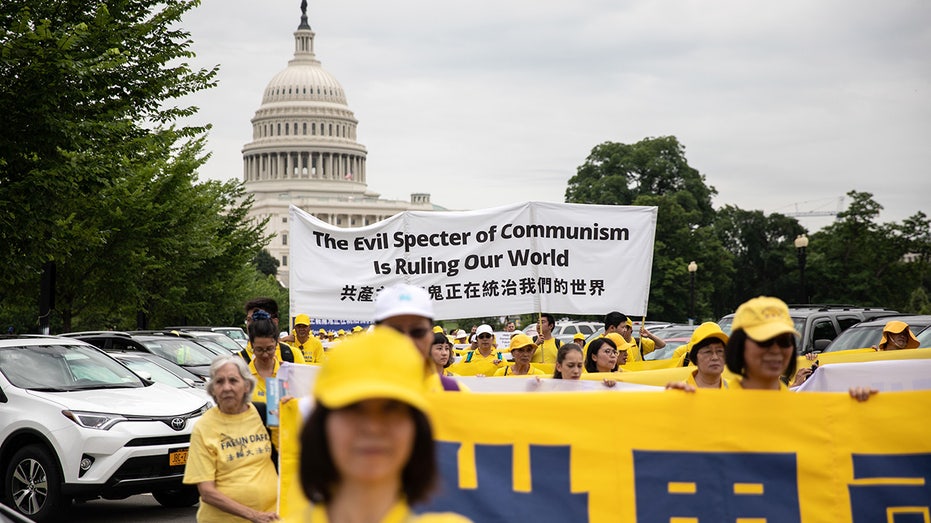
Paul Hoffman, a lawyer for the plaintiffs, said they were disappointed with the ruling and called for Congress to take action and create a law “so that victims of serious human rights violations at the hands of U.S. corporations may hold those corporations accountable in U.S. courts under the Alien Tort Statute.”
| Ticker | Security | Last | Change | Change % |
|---|---|---|---|---|
| CSCO | CISCO SYSTEMS INC. | 121.15 | -0.38 | -0.31% |
Additionally, the Supreme Court issued an 8-1 decision that a similar law known as the Torture Victim Protection Act of 1991 didn’t permit a group of plaintiffs to move forward with a lawsuit that sought to hold two Cisco executives liable for allegedly aiding and abetting torture.
GORDON CHANG: US SHOULD EXPAND SANCTIONS ON CHINA-LINKED NETWORKS TO HIT IRAN OIL REVENUE
Plaintiffs accused Cisco of knowingly designing and implementing the “Golden Shield,” which is an internet surveillance system used by the CCP to target dissidents, and they say China used the system to track and torture Falun Gong members.
FOX Business reached out to Cisco for comment. The company has called the allegations unfounded and offensive.
The decision by the 9th Circuit Court of Appeals that was reversed by the Supreme Court had held the plaintiffs demonstrated plausible claims that Cisco provided technical assistance to the CCP and permitted it to proceed to discovery in advance of a trial. The Supreme Court’s decision dismissed the lawsuit.
Reuters contributed to this report.
