

A growing number of airlines and destinations are restricting power bank usage on flights in response to incidents caused by malfunctioning electronics.
ADVERTISEMENT

ADVERTISEMENT
Turkey just became the latest country to change its rules, following an update from the International Civil Aviation Organization (ICAO) last month.
Rules around what you can bring on board are set by a country’s civil aviation authority, as well as the airlines themselves.
Turkey’s General Directorate of Civil Aviation (SHGM) announced it would be updating its rules to match ICAO’s recommendations earlier this week.
Travelling soon with a power bank? Here’s what you need to know.
Power banks can pose a fire hazard on flights
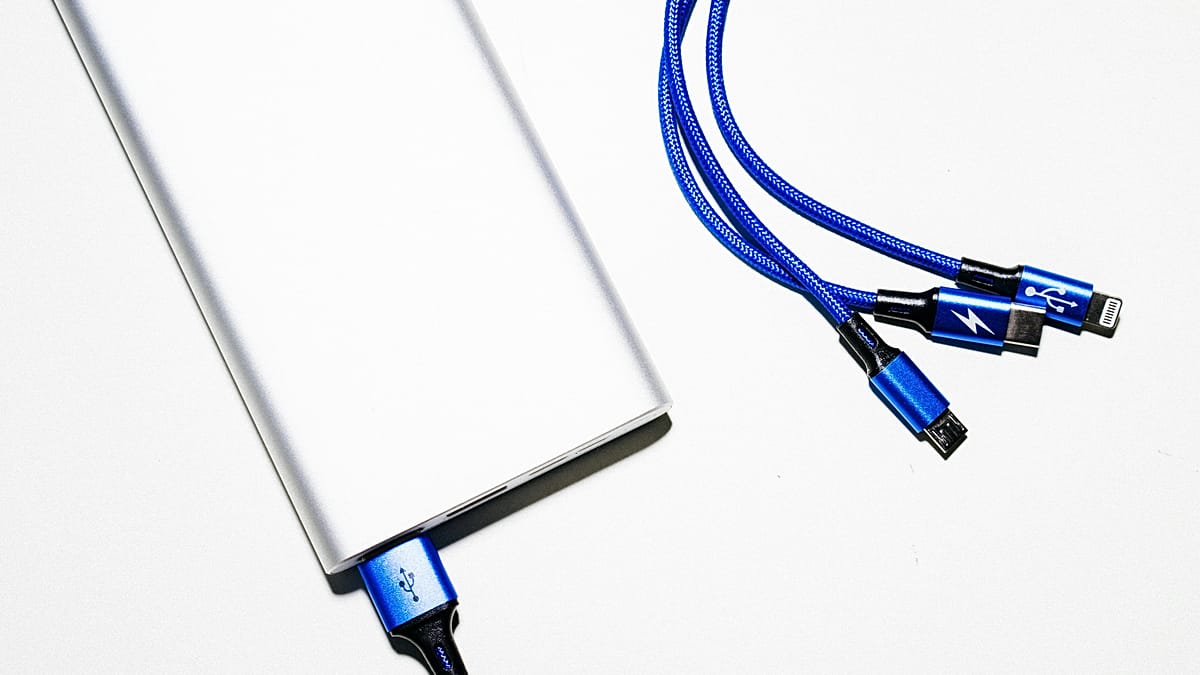
Power banks, or portable chargers, pose a hidden risk that has prompted some airlines to re-evaluate their policies.
“The main issue with power banks is the lithium-ion batteries they contain, which, if damaged or faulty, can pose a fire hazard,” says travel consultant Colin Pearson, collaborating with boutique hotel Stanton House Inn.
“A malfunctioning power bank can overheat, catch fire, or even explode, which is particularly dangerous in the confined space of an aircraft.”
Lithium-ion batteries are known to be volatile, and when they are exposed to high pressure or extreme temperatures, such as during a flight, the risks increase.
On 27 March, the ICAO amended its power bank specifications to recommend that the number of power banks be limited to two per passenger, and that they should not be recharged (using the in-flight power outlets or otherwise) while on board.
There are already regulations in place that specific power banks and other lithium batteries are carry-on only, as well as limits around the watt-hour ratings.
Airlines introduce power bank restrictions
While incidents of power banks catching fire have been rare, they’ve been enough to spark widespread concern among airline safety experts.
“It’s no longer merely a matter of inconvenience. The safety of all passengers and crew members aboard the aircraft is the primary concern, and even a single incident can have far-reaching consequences,” says Pearson.
Airlines such as Qantas, Emirates, Cathay Pacific and Singapore Airlines all have banned passengers from using them during flights or charging them using the plane’s power outlets.
In January, Lufthansa Group updated its rules to limit the number per passenger, and to ban their usage in flight.
The airline group, which includes the German flag carrier as well as Austrian Airlines, Eurowings and SWISS among others, has taken it one step further by also requiring passengers to keep them either in the seat pocket in front of them, in their bag under the seat, or on their person.
While policies may vary slightly from one airline to another, most have begun enforcing bans on larger capacity power banks, or reducing the number of power banks you are permitted to travel with.
What are the rules for bringing power banks on flights?
“The key thing to remember is to always check the specific airline’s policy before you fly,” advises Pearson, as rules can differ.
In general, travellers can bring power banks on board with a capacity of up to 100 watt-hours without having to notify the airline.
But portable chargers between 100 and 160 watt-hours usually need special approval.
Those above 160 watt-hours are not allowed on flights.
Importantly, power banks can only be packed in carry-on bags, never in checked luggage. Make sure you also check if your airline allows you to place these devices in overhead lockers or if they will have to remain with you in your seat, as some have much stricter regulations.
With some airlines not permitting the use of a power bank on board, Pearson advises considering alternatives, such as charging the device before travel or seeking out airports that offer charging stations to avoid the risk altogether.
“A little extra preparation can go a long way,” he says. “This ban on power banks is just another step toward ensuring safer, more secure flights for everyone.”