By Euronews with AP
Published on
The head of the World Health Organization has raised the alarm over the speed of the current Ebola outbreak in central Africa, which has so far claimed at least 220 lives.
ADVERTISEMENT

ADVERTISEMENT
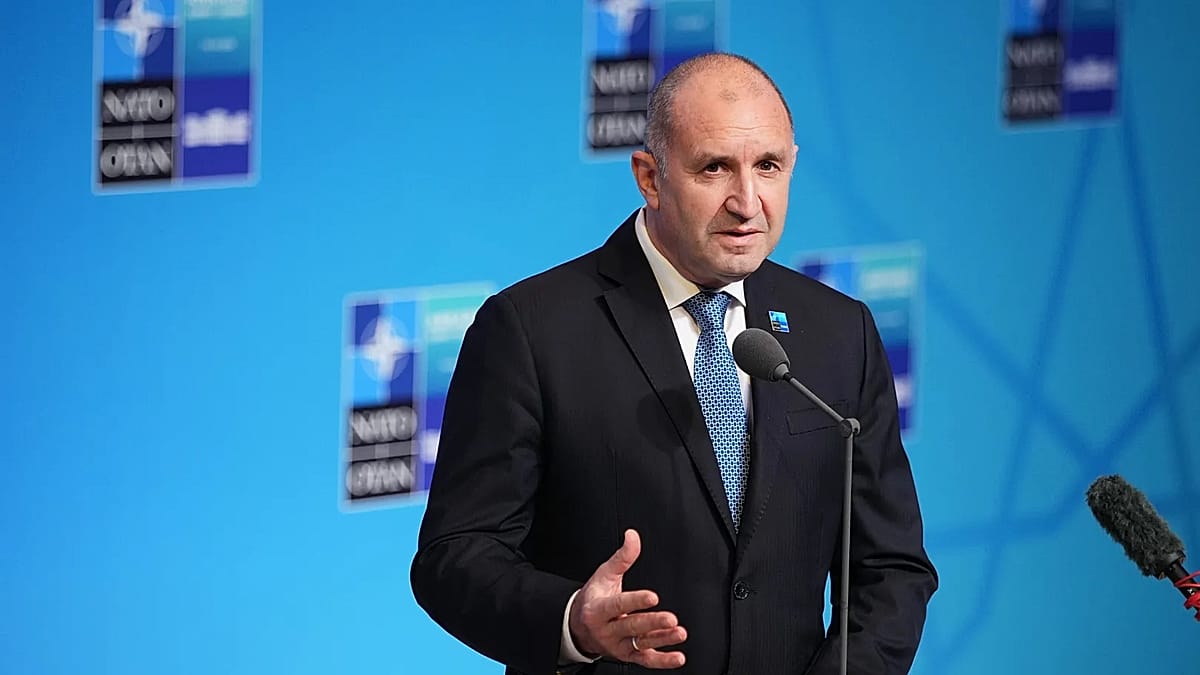
“We are urgently scaling up operations, but at the moment the epidemic is outpacing us,” Director-General Tedros Adhanom Ghebreyesus said on Monday, telling an online meeting of the African Union that health workers are “playing catch-up” as the number of suspected cases tops 900.
Tedros will tomorrow travel to Democratic Republic of Congo (DRC), in whose Ituri province the current outbreak is centred.
The DRC has had more than a dozen Ebola outbreaks over the decades. Health experts say international aid cuts last year by the US and other rich nations are devastating for eastern Congo because of the region’s unique problems.
The response has been hampered by fear, anger and frustration among locals, including attacks on treatment centres, as well as distrust of authorities in a region long plagued by armed violence.
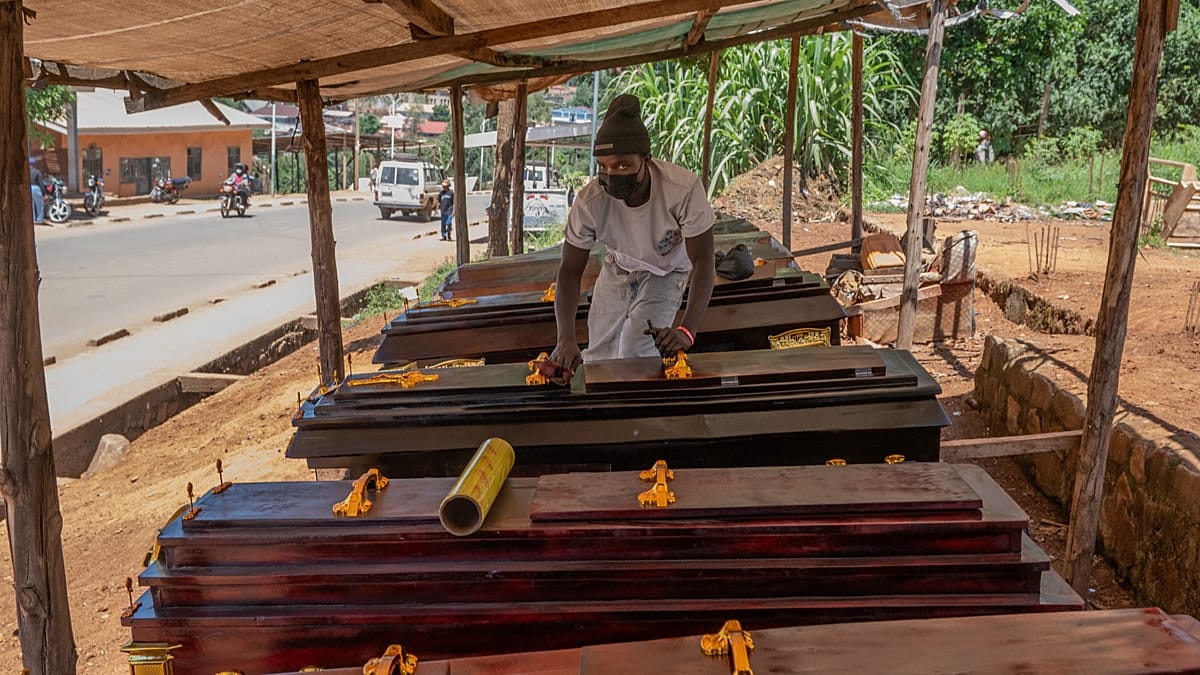
Aid groups fighting the current Ebola outbreak also say they don’t have the equipment they need, such as face shields and suits to protect health workers from infection, testing kits, and body bags and other materials needed to safely bury the bodies of victims, which can be highly contagious.
Ugandan health authorities on Saturday confirmed the first local infections: a driver and a health worker exposed to the Congolese patient who died on May 11. Two more health workers at a private hospital in Kampala have since tested positive, the Ministry of Health said on Monday.
The Bundibugyo type of Ebola virus responsible for the current outbreak has no approved vaccine or treatment. The outbreak has been declared a global health emergency.
Tracing and isolating Ebola contacts is seen as key to stopping the spread of the disease, which usually manifests as hemorrhagic fever.