
The Mediterranean has long been among the top tourism regions in Europe, but the destinations we visit, and the ways we interact with them, are changing, according to a new trends report.
ADVERTISEMENT

ADVERTISEMENT
Produced by MGallery Hotel Collection and travel trend forecasting agency Globetrender, the MGallery Trends 2026: The Mediterranean Briefing looks at how travellers are now seeking out deeper and more meaningful interactions with local cultures, even as sun and sea remain top priorities when choosing a country.
“The Mediterranean is at a tipping point,” said Jenny Southan, founder and CEO of Globetrender. “Demand is reaching record levels, but at the same time travellers are becoming more selective about how they experience it.
“There is a growing preference for places that feel slower, more local and less exposed to mass tourism – which is forcing the industry to rethink how it delivers value in such a well-established region.”
Travelling to a country, not the Med as a whole
Fly-and-flop holidays have been falling out of favour for years now as people increasingly aim to leave a vacation with more than just a suntan and a few nice photos for the ‘gram.
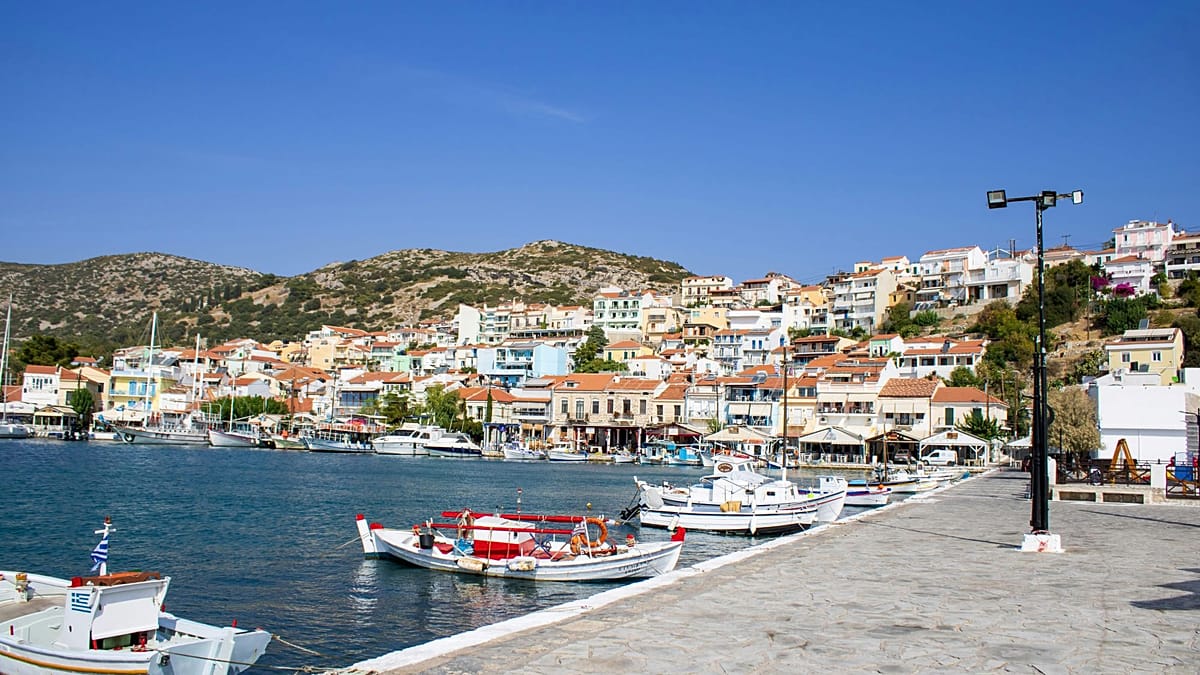
Where before holidaymakers would have simply booked based on proximity to the beach and the average temperatures, now people are looking to interact with the local culture – whether that be through iso-polyphony, a type of folk singing in Albania, or exploring Samos’ shipbuilding traditions in Greece.
As the report notes, the Mediterranean region spans 22 coastal states and territories, and while the sea connects them, they are not all the same – and in 2026 “travellers are actively seeking out these distinctions”.
‘Blue mind experiences’ for a stressful time
Marine biologist Wallace J Nichols popularised the term “blue mind” to describe the mildly meditative state people enter when they’re near water, and there’s no better place to embrace it than the calm, swimmable Med.
Globetrender believes that tourists are now putting “blue mind experiences” in their itineraries through private boat charters and hotels that have put water at the centre of their design.
The reason behind the growing trend? Increasing stress levels and the rise of burn out.
Returning again and again
There are plenty of people who come back to the country, the same city, or even the same hotel, year after year.
You already know what to expect on the trip, from the climate and journey time to what your day-to-day will look like.
But according to Globerender, this behaviour is becoming “more sophisticated”, with travellers building a “deeper relationship” with a place.
Dubbed “The Comeback Effect”, the report notes that return visitors begin to look for places frequented by locals, beaches that aren’t on the main tourist route, and generally visit spots that are off-the-beaten track.
“The Mediterranean has long inspired repeat visitation, but familiarity is now creating curiosity rather than complacency,” Globetrender says.
“Return travellers are seeking nuance: the quieter season, the hidden beach, the local producer, the neighbourhood restaurant that exists outside the tourism narrative.”
