

Confusion at the end of 2025 over millions of dollars’ worth of contraceptives stockpiled in Europe — caught between conflicting narratives from the United States and the Flemish government — highlighted a deeper issue: access to modern, effective and affordable contraception remains uneven across the EU.
ADVERTISEMENT

ADVERTISEMENT
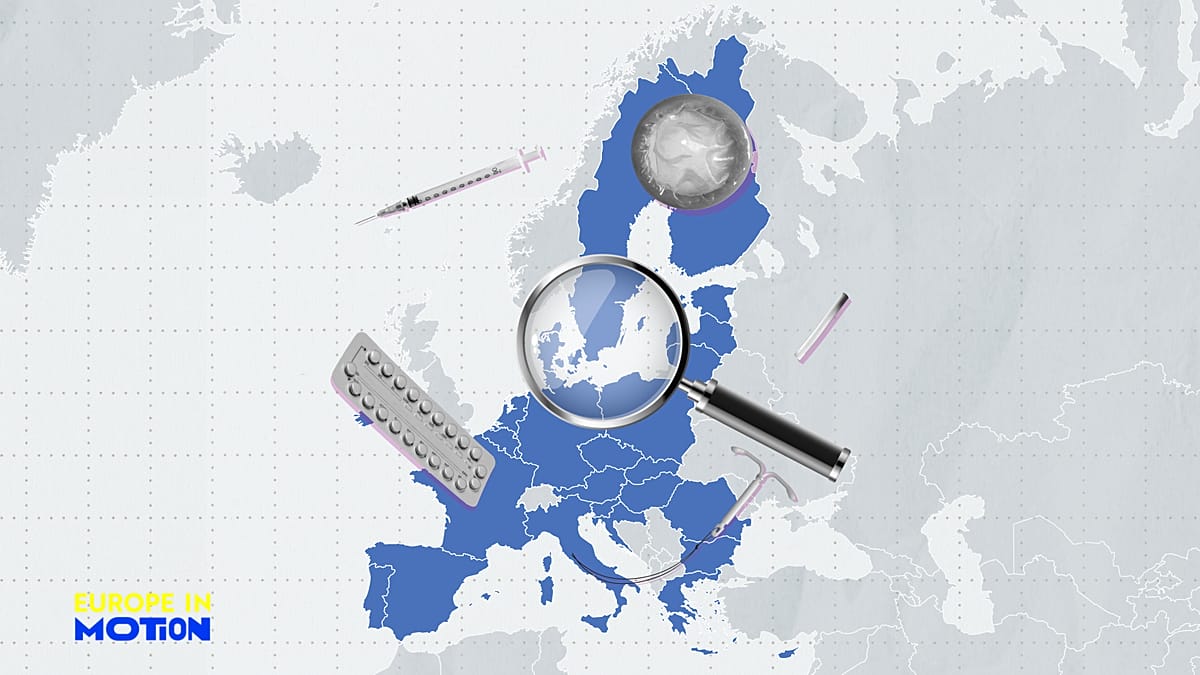
The 2026 Contraception Policy Atlas from the European Parliamentary Forum for Sexual and Reproductive Rights (EPF) shows that France (97.9%), Portugal (93.8%), Luxembourg (93.3%), and Belgium (89.8%) top the list of EU countries with the best access to contraceptives for the second year in a row.
Despite being top-ranked, Belgium saw a decrease of 0.5 percentage points, from 90.3% to 89.8%, between 2025 and 2026.
When wider Europe is considered, the UK falls in second place behind France, at 95.8%.
On the other hand, Slovakia (32.2%), Hungary (36.9%), and Poland (38.9%) are the EU countries at the other end of the ranking, with Turkey (37.6%) and Russia (37.8%) completing the bottom five when looking at the continent as a whole.
Meanwhile, in Poland, vasectomies are becoming an increasingly popular method of permanent contraception among men.
It is estimated that around 5,000 are carried out annually in the Polish private health system.
An East-West divide
In the past five years, the overall context around contraception in Europe has changed significantly, with the rise of pronatalist policy agendas and changes in reproductive healthcare.
In addition, there’s a persistent East-West divide when it comes to access to contraception in Europe.
Eastern European countries tend to sit at the lower end of the spectrum due to restrictive policies and a lack of support for contraceptive access.
Western countries at the top of the ranking, meanwhile, provide postpartum contraception after childbirth, something that the low-ranking Eastern European countries lack.
Contraceptives are covered in the national health systems of 15 EU countries, including long-acting reversible contraception, such as IUDs (intrauterine devices) and implants.
Only 10 EU countries provide a special cover of contraceptives for vulnerable groups, like the unemployed and those with a low income, while Denmark, Germany, and Italy only provide it in certain regions.
There is also more misinformation circulating online, with evidence-based online resources being actively blocked or removed in some countries, according to the EPF.
Online information on contraception is available on government-supported websites in 16 EU countries, including Bulgaria, Croatia, Latvia, and Sweden.